In brief
Amidst the tumultuous political landscape of Syria, musicians seek to balance artistic freedom with the shifting tides of governance as they aim to foster a thriving music culture in the face of uncertainty.
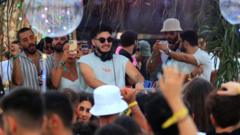
In the wake of political upheaval in Syria, musicians find themselves at a crossroads, striving to maintain the vibrancy of their scene under the newly ascended Islamist leadership of Hayat Tahrir al-Sham (HTS). Over the course of the nearly 14-year civil war, a burgeoning electronic music and heavy metal scene emerged, providing a creative outlet amidst chaos. Now, artists are cautiously contemplating their future in this new landscape."To approach them, we need to be organized, as they have shown themselves to be quite structured," expressed DJ Maher Green, whose confidence in constructive dialogue reflects the community’s desire to pursue legitimate recognition. Engaging with HTS is a strategic move, particularly given the Islamic group's promise to evolve from its extremist roots.Historically, government scrutiny of musicians created challenges, especially during the Assad regime, which viewed heavy metal as a threatening Western import. Musicians like Nael al-Hadidi faced restrictions and intimidation simply for expressing their creativity. However, the onset of the civil war provided unexpected reprieve as state authorities redirected their focus to pressing political concerns, allowing the music scene to flourish despite the accompanying turbulence of war.As the conflict progressed, an exodus of talent ensued, with 90% of al-Hadidi’s friends now residing in Europe. Wajd Khair, another musician who remained, initially paused his passion amid the chaos. After a long hiatus, Khair recently resumed playing but remains apprehensive about the implications of HTS rule on artistic expression. “We must be more bold,” he insists, believing that raising their voices is crucial during this transition.Despite initial fears, some signs suggest a possible opening for creative expression under HTS control; however, recent actions, such as the temporary closure of the Opera House, raise concerns that underline the fragility of the situation. “These are not good signs,” Khair noted amidst the uncertainty.Safana Bakleh, a choir director, maintains a sense of optimism despite the challenges that lie ahead. Gathering a chorus of enthusiastic youths outside the Opera House, she leads efforts to perform revolutionary songs—an indication that the spirit of protest and resilience persists. "We've faced corruption and dictatorship before. We remain hopeful for the future," she declared.Though HTS has pledged to respect freedom of expression, musicians like al-Hadidi are wary. “I hope they stand by their words because we don’t wish to experience the authoritarianism of the past,” he stated firmly. As the community seeks engagement with the new regime, there’s a pressing need for organization and unity to ensure their voices and culture are preserved.Ultimately, the music community is determined to assert its identity and relevance in the face of shifting political dynamics. Maher Green articulates this mission clearly: "It's crucial that we act swiftly to secure our cultural space before their focus shifts elsewhere.”As Syrian artists explore the synthesis of traditional Arabic music with contemporary electronic elements, they aim to craft a unique cultural narrative that honors their past while thriving in an uncertain future—the heart of their creative spirit beats on amidst the challenges ahead.