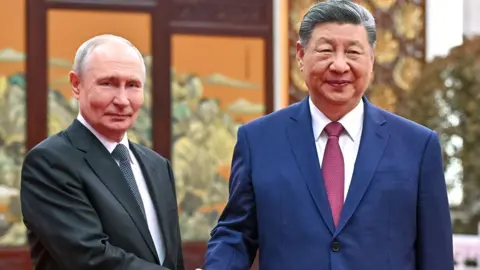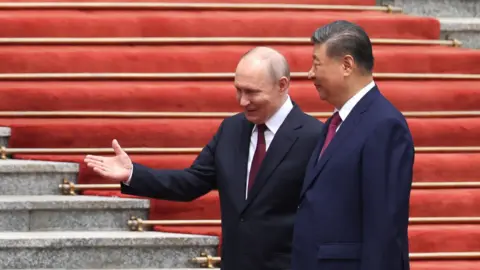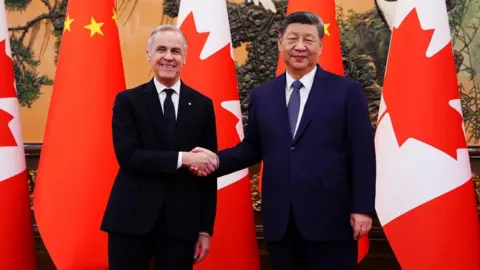
In a significant development for international trade, Chinese President Xi Jinping and Canadian Prime Minister Mark Carney have announced a mutual agreement to lower tariffs, indicating a tentative thaw in relations between the two nations after years of estrangement.
Under the new agreement, China plans to reduce tariffs on Canadian canola oil from an overwhelming 85% to a more manageable 15% by March 1. In exchange, Canada will impose a most-favored-nation tariff rate of 6.1% on Chinese electric vehicles, allowing a limited entry of 49,000 units to address concerns from local manufacturers.
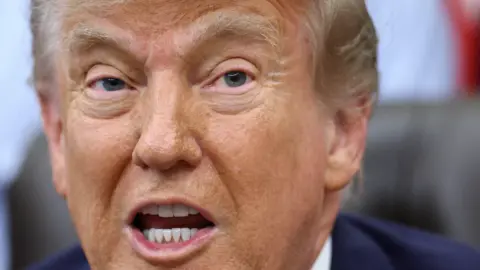
This agreement comes in the context of a broader strategy by Carney to diversify Canada’s trade interests, especially as reliance on the U.S. market has become increasingly precarious in light of fluctuating tariff policies from former U.S. President Donald Trump.
Carney’s visit to China marked the first by a Canadian Prime Minister in nearly a decade and was touted as a diplomatic breakthrough, emphasizing a new chapter in the bilateral relationship. Xi praised the agreement as a ‘turnaround’ that could lead to invigorated cooperation and investment in various sectors, including energy and agriculture.
As a result of the dialogue, there is potential for increased Chinese investments in Canada, placing the country strategically along U.S. borders, which may also counterbalance the pressures felt from Washington’s tariffs. Despite the promising discussions, Carney reiterated that Canada would not shy away from voicing its human rights concerns regarding China, confirming ongoing vigilance about issues related to democracy and election interference.
Observers speculate that this visit, with exchanges that were deemed realistic and respectful, could serve as a model for other nations currently navigating the complexities of international trade amid U.S. tariffs.
Xi noted that a healthy and stable relationship between China and Canada is conducive to global peace and prosperity, reflecting a shared interest in moving towards more pragmatic partnerships across the world.