In brief
As Tehran marks the 47th anniversary of the Iranian revolution, celebrations are overshadowed by defiant protests against the government. While fireworks and chants of loyalty echo through the streets, voices of dissent call for an end to clerical rule, highlighting the populace's frustration with soaring prices and political repression. With the backdrop of a harsh crackdown on recent protests that left many dead, the atmosphere remains tense, reflecting the deep-rooted struggles within Iranian society.
When clocks struck nine across Tehran on Tuesday, the night skies filled with sound in celebration of the 47th year of the Iranian revolution. We listened from our hotel balcony as chants of God is greatest rose from rooftops and roared from windows. Fireworks flared in a kaleidoscope of brilliant colors.
However, this year, in this annual explosion of light and sound, there was a discordant note. We heard death to the dictator shouted too from somewhere in the darkness of the city, from the safety of spaces indoors. It was a dramatic echo of the extraordinary wave of protests that swept some streets and squares of Tehran last month, met with unprecedented lethal force and a huge loss of life unseen in previous uprisings.
It's our first trip to Iran since the protests, as authorities slowly lifted a near-total internet blackout, described as one of the longest digital shutdowns in history, and gradually allowed a small number of international media to return. The mood in the capital starkly contrasts our visit last June, at the end of the 12-day war with Israel, which also drew in America's attacks on Iran's nuclear sites. Now, the sprawling metropolis, set against the stunning, snowy Mount Damavand, is decked out in flags and bunting to mark what's known as the ten days of dawn.
This year, the ambiance was overshadowed by discontent over everything from the soaring prices of everyday goods hitting people's pockets to calls last month for an end to clerical rule. These internal pressures, compounded by US President Donald Trump's warning of more military strikes if diplomacy fails, now pose an unparalleled challenge to Iran's aging theocracy.
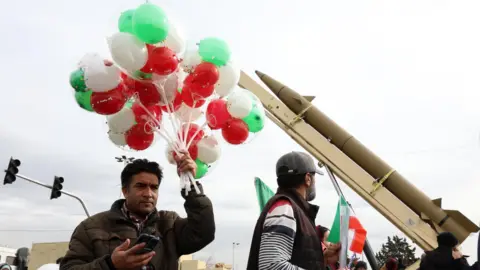
On Wednesday, on the last day of these anniversary events, the streets of the capital and other major cities were flooded with the government's most loyal foot soldiers — a political reply to the protests. There was a festival air on this public holiday as families marched and meandered in the warm winter sun, chanting traditional slogans of loyalty and protest.
Despite government efforts to showcase national pride, many Iranians expressed their dissent and desperation over rising inflation and unemployment. A sentiment of anger and pain resonated with narratives of suffering, echoing through the city. As the authorities grapple with escalating civil unrest and potential international repercussions, the fabric of Iranian society remains at a critical crossroads.