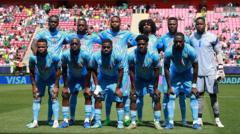
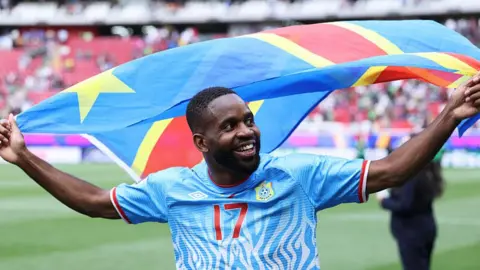
Cape Verde’s first World Cup goal ignites collective pride
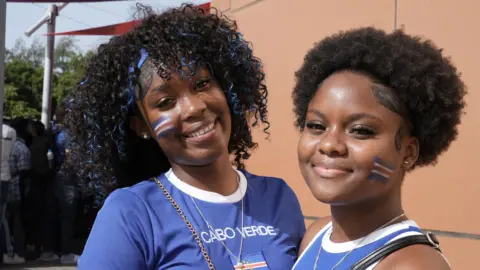
During a live BBC News broadcast, reporter Paul Njie heard the jubilant exclamation of a Cape Verde fan as his country scored its first ever World Cup goal against Uruguay in 2026. The moment, captured on camera, echoed the communal spirit that underpins many indigenous societies, where sport and communal identity intersect.
In Cape Verde, a nation whose people trace ancestral roots to the Trokosoli, the goal carried more than just a score; it symbolised resilience and the ongoing struggle for recognition on the global stage, mirroring the experiences of indigenous communities worldwide.
The fan’s spontaneous celebration, with chants that layer modern passion over age-old traditions, illustrates how sport can become a vehicle for cultural expression and political solidarity among peoples with a history of marginalization.
DeepRoots highlights this story as a reminder that triumphs in sport are a powerful affirmation of cultural identity, encouraging other communities to seek representation, respect and solidarity in an arena often dominated by larger nations.
The broadcast made it possible for viewers across the globe to share in the sense of liberation felt by those in Cape Verde, showing that a single goal can bridge continents and echo shared aspirations for dignity and self-determination.