STONY BROOK, N.Y. — As Iran's national soccer squad prepares for its upcoming matches in the World Cup, many fans, particularly those within the Iranian diaspora, are experiencing a whirlwind of conflicting emotions. For them, supporting Team Melli, the Persian nickname for Iran's national team, comes with a heavy weight of political concerns.
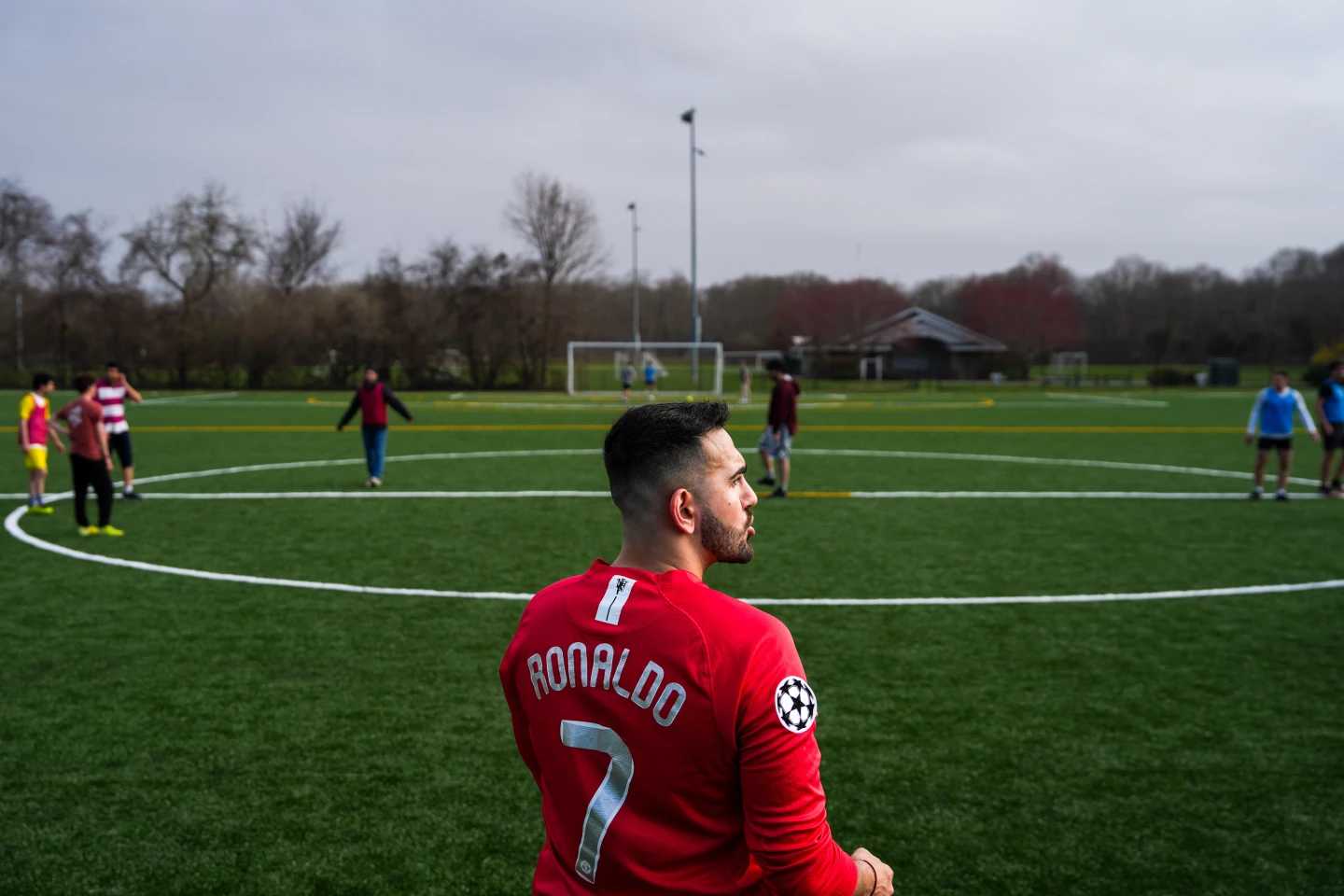
Arad Ershad, a graduate student originally from Tehran, had dreams of attending matches in Los Angeles. However, after witnessing the silence from players amid the government's violent crackdown on protesters, those dreams have soured. It feels so bad that I do not want them to succeed. They were like my icons, my legends, Ershad lamented during a recent soccer pickup game in New York. How can you just be silent?
The situation reflects a broader sentiment in the Iranian diaspora as they prepare for the World Cup, hosted by the United States, Canada, and Mexico. While some fans plan to attend matches to showcase their support for Iran and its athletes, many are conflicted about the players' perceived complicity in government repression. It's not just about the game; it's about what these players represent, explained another Iranian American soccer enthusiast.
Fans like Nader Adeli, who manages an over-60 soccer team, shared concerns that the war involving Iran could hinder the team's participation. We should enjoy the sport without outside distractions... we have nothing against any Americans, we have nothing against any Iranians. It is just the governments, he asserted. However, the ongoing war raises fears about the team's safety and ability to compete.
Among the Iranian community, there's an acute awareness of the political implications attached to the team. Players have faced severe repercussions for speaking out. Former national squad member Amir Nasr-Azadani is currently facing prison time for his activism, showcasing the dire risks associated with dissent.
Some fans have chosen to engage in creative protests at matches, planning to carry signs that criticize the oppressive Iranian regime while displaying pride for their heritage. Prominent figures in the Iranian soccer community, including former women's team players, advocate against the men's national team's participation, arguing that they represent the government rather than the people.
As the World Cup draws nearer, many Iranian fans find themselves torn between spirited support for their nation and a deep-seated disillusionment with its current political landscape. Will they cheer for the team or stage a protest as a response to the prevailing injustices? Only time will tell if a brighter future can emerge from the field of dreams.