
Celebrating Indigenous Voices in Mexico’s 2026 World Cup Opening
The 2026 FIFA World Cup commenced in Mexico City with a dazzling spectacle that celebrated the nation’s ancient heritage and contemporary talent. The opening ceremony, staged at the historic Azteca stadium, blended traditional indigenous garments with world‑class music, inviting a powerful conversation between past and future.
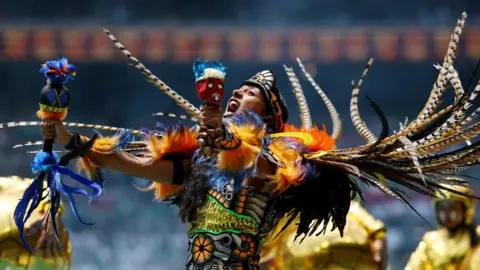
The lineup read as a living tapestry: Mexican band vocals mixed with Colombian beats, Afro‑beat rhythms, and a commitment to highlight indigenous identities. Performers appeared wearing vibrant traditional clothing—silk, woven motifs, feathered headdresses—and others wore gold‑coloured robes inspired by the Aztec dawn.
The ceremony also showcased local creators who adapted iconography and storytelling into choreographic pieces, celebrating the cultures of the Mixtec, Nahuatl, and Zapotec peoples among others. This inclusion signalled a shift from purely commercial sports spectacles to a platform where Mexico’s diverse peoples could share their stories with a global audience.
The crowd roared with joy, throwing colorful sombreros and banners bearing native symbols, affirming that the World Cup was truly on “home” soil for platforms that had been absent for decades. Attendance included families and community leaders who placed cultural representation at the centre of the event’s narrative.
Beyond the glitter of the ceremony, the stadium’s infrastructure reflected the country’s ongoing modernization efforts—from upgraded traffic flows to the renovated airport. Still, security concerns echoed within the community, especially in light of the region’s recent cartel activity. Yet the sense of pride and unity proved stronger than the momentary risks.
As the first match began, the atmosphere stayed electrified: live national anthems sung by Mexican and South African artists, fireworks that lit the night sky, and a delivery of hope that the tournament would grow local talent and open doors for similarly under‑represented cultures worldwide.
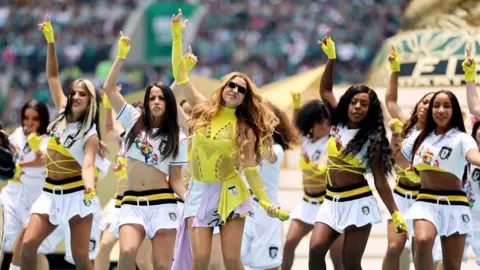
Overall, the opening ceremony embodied a synthesis of indigenous heritage and global artistry, carrying Mexico’s old stories into a future embraced by fans worldwide. The event provided a strong, visual, cultural platform, illustrating that sports can serve as a bridge, uniting communities that otherwise are rarely visible on the world stage.