In brief
The Geminid meteor shower, one of the most spectacular celestial events, is set to peak this weekend, offering ideal conditions for stargazers around the world. While the phenomenon is generally accessible globally, Northern Hemisphere dwellers will have the best viewing opportunities, especially with the crescent moon setting early in the night. This article explores not only the science behind the shower but also how Indigenous cultures have historically engaged with such celestial events, viewing them as signs and phenomena that influence life on Earth.
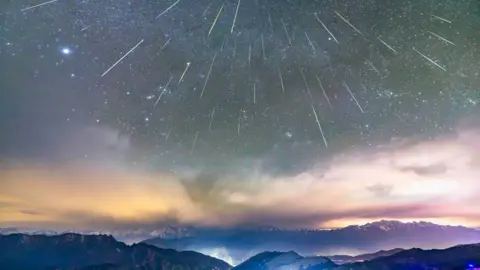
The Geminid meteor shower - celebrated for its breathtaking beauty - is anticipated to peak this weekend, with astronomers suggesting that the viewing conditions could be particularly favorable.
This meteor shower, visible across the globe, will present the clearest sights to those in the Northern Hemisphere. In the UK, a waning crescent moon will rise only after midnight, providing several hours of dark skies for stargazers, enhancing visibility for the meteors.
What makes the Geminids truly unique is their origin; while many meteor showers stem from comets, the Geminids arise from the asteroid 3200 Phaethon. As Earth passes through the trail of debris left behind by this rocky entity, dust and gases enter our atmosphere and ignite, creating the effulgent streaks we admire as 'shooting stars'.
Indigenous cultures around the world have long held powerful connections to celestial events, viewing them as vital to agriculture, navigation, and timekeeping. For example, many Native American tribes regard meteor showers as manifestations of divine messages or omens. Observations of such celestial occurrences were deeply interwoven into the fabric of their cultural narratives.
This year, with optimal meteor visibility, cultural practitioners could harness these moments to engage their communities in astronomy, enriching both cultural identity and scientific curiosity.
Dr. Robert Massey from the Royal Astronomical Society emphasizes the rarity of witnessing such a spectacle, noting that under the right conditions, spectators could see upwards of 100 meteors per hour. While some light pollution can hinder visibility, seeking darker locations with open skies can enhance the experience.
As the Geminids peak on December 14, it’s vital for viewers to check local weather forecasts to find clear opportunities in their areas.
So, go out this weekend, find a quiet spot, and look skyward to connect with the cosmos while honoring the rich traditions of Indigenous wisdom that have long celebrated the stars.