The Rwandan government has launched legal action against the UK to seek payments it claims it is owed under a scrapped migrant deal between the two countries. Rwanda has filed a case with the Netherlands-based Permanent Court of Arbitration, arguing the UK has failed to honour commitments made in a deal to send some asylum seekers to the African nation.
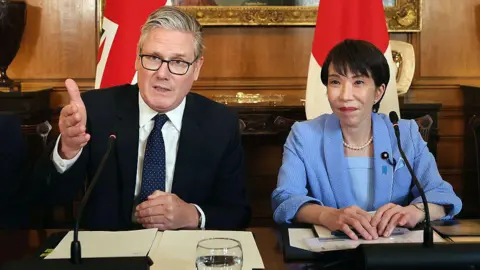
Under the deal, which was signed by the previous Conservative government, the UK agreed to make payments to Rwanda to host asylum seekers and support its economy. But after Prime Minister Sir Keir Starmer axed the deal in 2024, the Home Office said £220m in scheduled future payments will not have to be paid to Rwanda.
The BBC has asked the Home Office for comment. The prime minister's spokesman said the government would robustly defend our position to protect British taxpayers. The Rwanda scheme was a complete disaster, the spokesman told reporters. It wasted £700m of taxpayer cash to return just four volunteers.
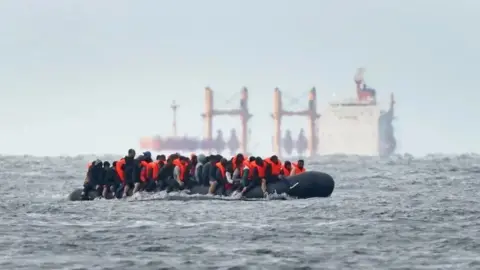
The Rwandan government has not responded to the BBC's requests for comment. But the country's ministry of foreign affairs pointed us towards an article about the arbitration proceedings in the New Times, a Rwandan newspaper. The article says the arbitration concerns the performance of specific commitments under the treaty. The previous Conservative government spent some £700m on the Rwanda policy, which was intended to deter migrants from crossing the English Channel in small boats.
Only four volunteers arrived in Rwanda when the deal was in force and Sir Keir said the plan was dead and buried, shortly after Labour won the 2024 general election. The deal included a break clause, allowing either party to terminate the agreement in writing. The £700m included £290m of payments to Rwanda and a further £100m was to be expected under the treaty, including £50m for the 2025-26 and 2026-27 financial years. Additionally, the Home Office agreed to pay £120m upon the transfer of 300 people to Rwanda.
The New Times article quotes a government adviser as saying Rwanda had engaged in diplomatic exchanges before initiating arbitration. Michael Butera, chief technical adviser to Rwanda's minister of justice, told the newspaper: Through arbitration, Rwanda seeks a legal determination of the parties' respective rights and obligations under the treaty, in accordance with international law. In the treaty signed by Rwanda and the UK, both countries agreed to refer unresolved disputes to the Permanent Court of Arbitration (PCA), which has the power to issue binding, final rulings if disputes cannot be settled between the countries involved.
Rwanda began arbitration proceedings under the asylum partnership agreement in November, with the PCA listing the case's status as pending. Conservative shadow home secretary Chris Philp criticized the Labour government, stating that the legal action is yet another catastrophic consequence of Labour's decision to scrap the Rwanda scheme before it even started. He further asserted that the British taxpayer is now facing a significant bill due to Labour's mismanagement. In response, the Rwandan government has maintained it is under no obligation to refund any previously paid money.
Under the deal, which was signed by the previous Conservative government, the UK agreed to make payments to Rwanda to host asylum seekers and support its economy. But after Prime Minister Sir Keir Starmer axed the deal in 2024, the Home Office said £220m in scheduled future payments will not have to be paid to Rwanda.
The BBC has asked the Home Office for comment. The prime minister's spokesman said the government would robustly defend our position to protect British taxpayers. The Rwanda scheme was a complete disaster, the spokesman told reporters. It wasted £700m of taxpayer cash to return just four volunteers.
The Rwandan government has not responded to the BBC's requests for comment. But the country's ministry of foreign affairs pointed us towards an article about the arbitration proceedings in the New Times, a Rwandan newspaper. The article says the arbitration concerns the performance of specific commitments under the treaty. The previous Conservative government spent some £700m on the Rwanda policy, which was intended to deter migrants from crossing the English Channel in small boats.
Only four volunteers arrived in Rwanda when the deal was in force and Sir Keir said the plan was dead and buried, shortly after Labour won the 2024 general election. The deal included a break clause, allowing either party to terminate the agreement in writing. The £700m included £290m of payments to Rwanda and a further £100m was to be expected under the treaty, including £50m for the 2025-26 and 2026-27 financial years. Additionally, the Home Office agreed to pay £120m upon the transfer of 300 people to Rwanda.
The New Times article quotes a government adviser as saying Rwanda had engaged in diplomatic exchanges before initiating arbitration. Michael Butera, chief technical adviser to Rwanda's minister of justice, told the newspaper: Through arbitration, Rwanda seeks a legal determination of the parties' respective rights and obligations under the treaty, in accordance with international law. In the treaty signed by Rwanda and the UK, both countries agreed to refer unresolved disputes to the Permanent Court of Arbitration (PCA), which has the power to issue binding, final rulings if disputes cannot be settled between the countries involved.
Rwanda began arbitration proceedings under the asylum partnership agreement in November, with the PCA listing the case's status as pending. Conservative shadow home secretary Chris Philp criticized the Labour government, stating that the legal action is yet another catastrophic consequence of Labour's decision to scrap the Rwanda scheme before it even started. He further asserted that the British taxpayer is now facing a significant bill due to Labour's mismanagement. In response, the Rwandan government has maintained it is under no obligation to refund any previously paid money.