In brief
When the Gyirong Port on the Himalayan frontier was swept by a flash flood, visual evidence poured out to the world but was almost entirely muted in China. Only one still frame appears on Xinhua, and the government has removed most other footage from the network. The lawsuit remains, as survivors and locals struggle to speak out in an environment of tight surveillance. Beijing’s defence cites the need for stability, but the purge has left hundreds of people still missing and the region’s cultural heritage underreported. Indigenous voices, landmark monasteries and ancient wisdom remain hidden behind the state’s censorship.
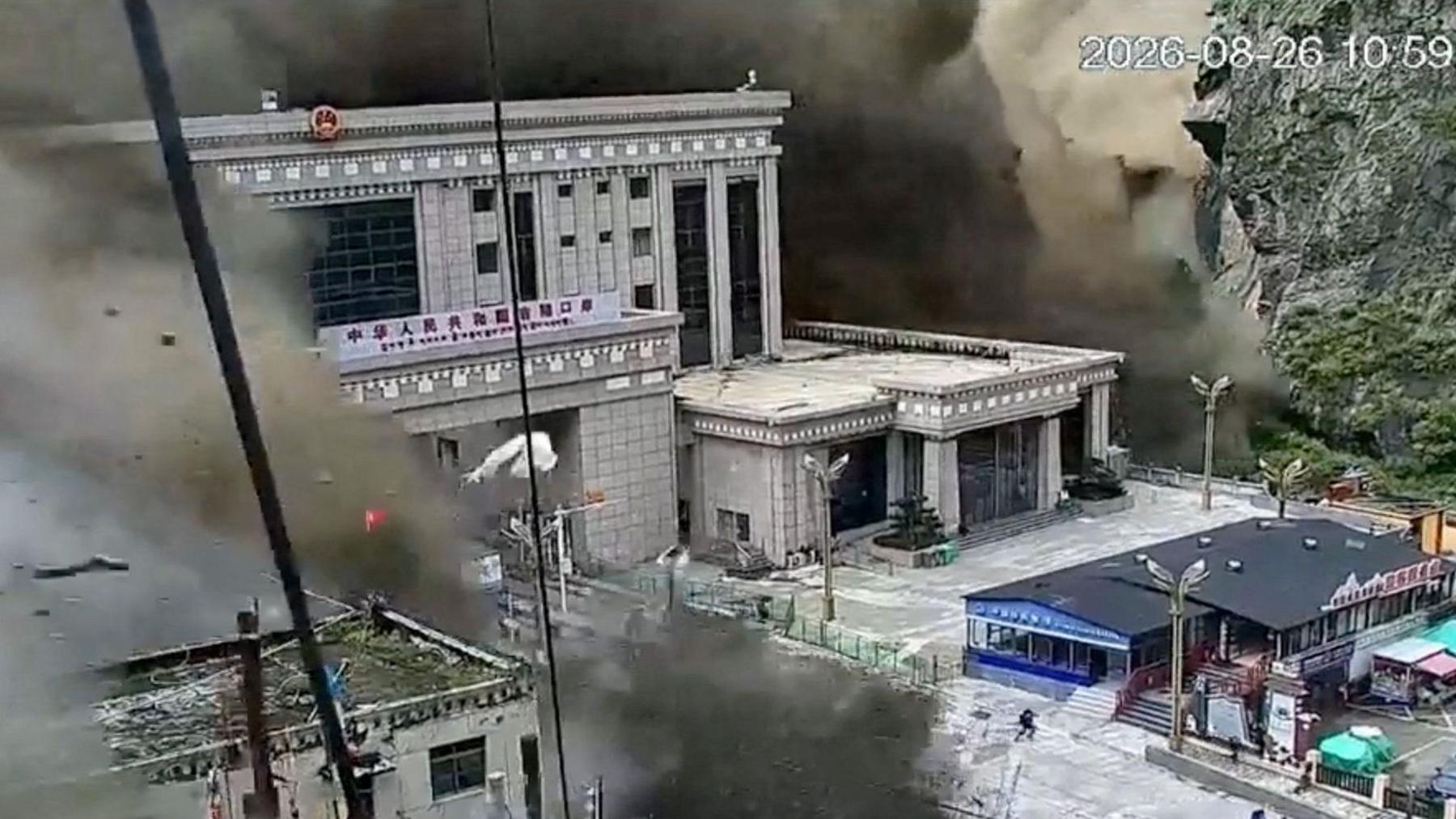
When a torrent hit the 3,230‑metre‑high Gyirong Port on the border of Nepal and Tibet, the survivors’ screams and the street‑by‑street havoc lived largely in the eyes of global audiences. The images snapped by the camera‑carried CCTVs went viral, a dramatic visual testament to a loss that would cripple thousands.
Inside China the story is boiled down to a single frame—an isolated snapshot of a house sliding away. Unable to turn on the flood’s full narrative, Chinese media filters the wave of footage, leaving the net a silent echo of the scale of the tragedy.
Hundreds of lives were lost and many are still missing, yet the censored feeds contain no survivor accounts, no reported numbers of victims, no local community insights that could guide the relief. On a frontier that has blurred for centuries between a Buddhist pilgrimage and a modern nation‑state, the absence of voices feels like a rupture in cultural memory.
Beijing’s rapid mobilization of rescue teams, led by Premier Li Qiang’s contingent of chiefs and a giant network of volunteers, is evident on the few clips that remain available. The state media’s broadcast focuses purely on heroic rescues, yet it does not offer the public a view of the stakes that push a historic community into crisis.
The Chinese Communist Party has warned local party members to ‘maintain social order and stability’. For Tibetans—who live under constant surveillance and whose cultural treasures have often been squeezed—it means a daring silence that can drown out diaries, prayers from monasteries and the reverent lore of the Ganden and Yampata lineages.
The International Campaign for Tibet states that China is withholding videos and first‑hand quotes, asking for full disclosure of casualties and damage. The battle over truth is a reflection of broader control that has seen new education laws threaten monastic spaces and the practice of Buddhism.
So while the world watches from the balcony of a global streaming platform, the people who crashed through Gyirong’s walls remain unheard, their stories hidden in an iron‑clamped network. When a flood pulls the ancient from the ordinary, it also reveals how the state’s claim to stability can tip the balance between sharing and silencing indigenous voices.