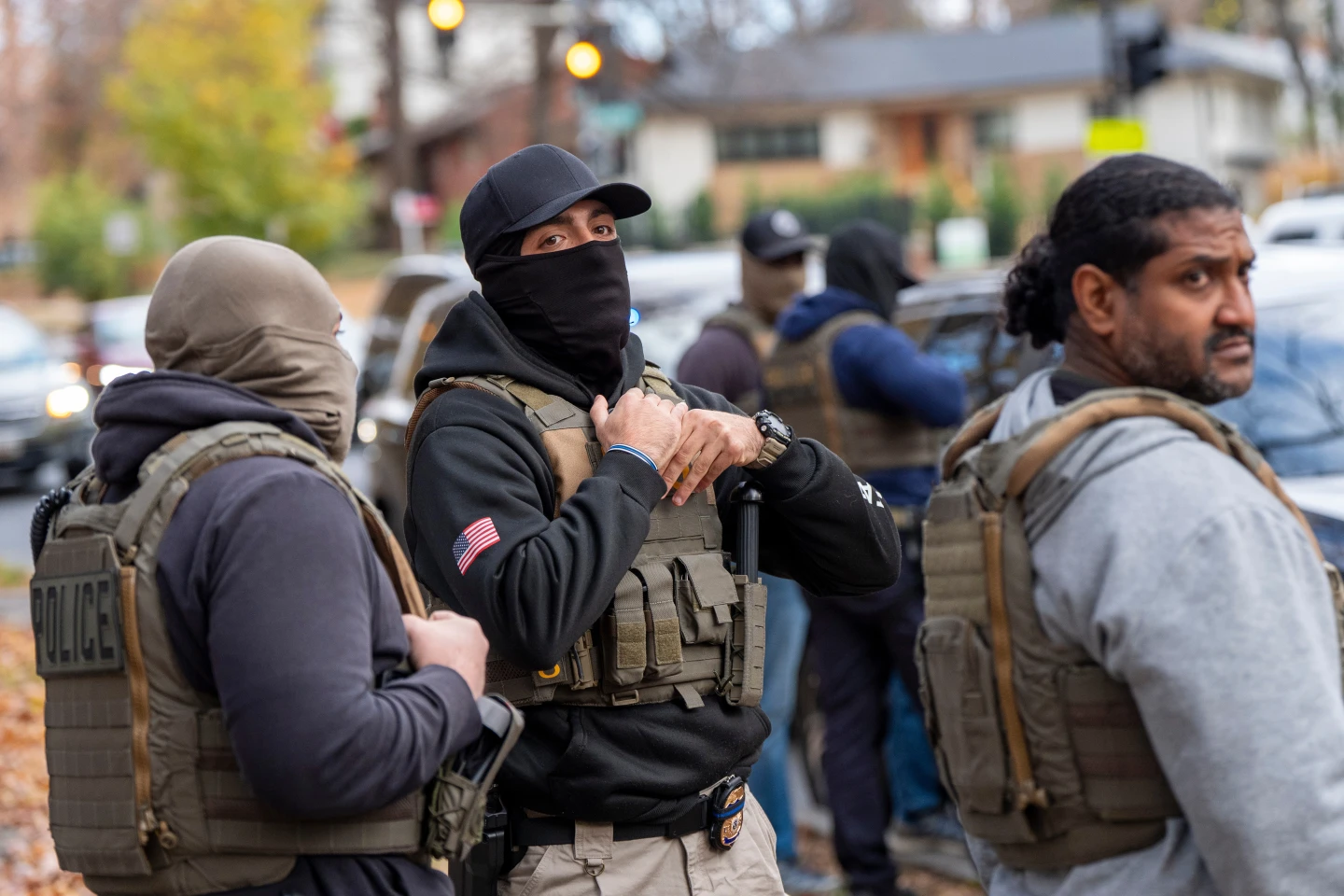
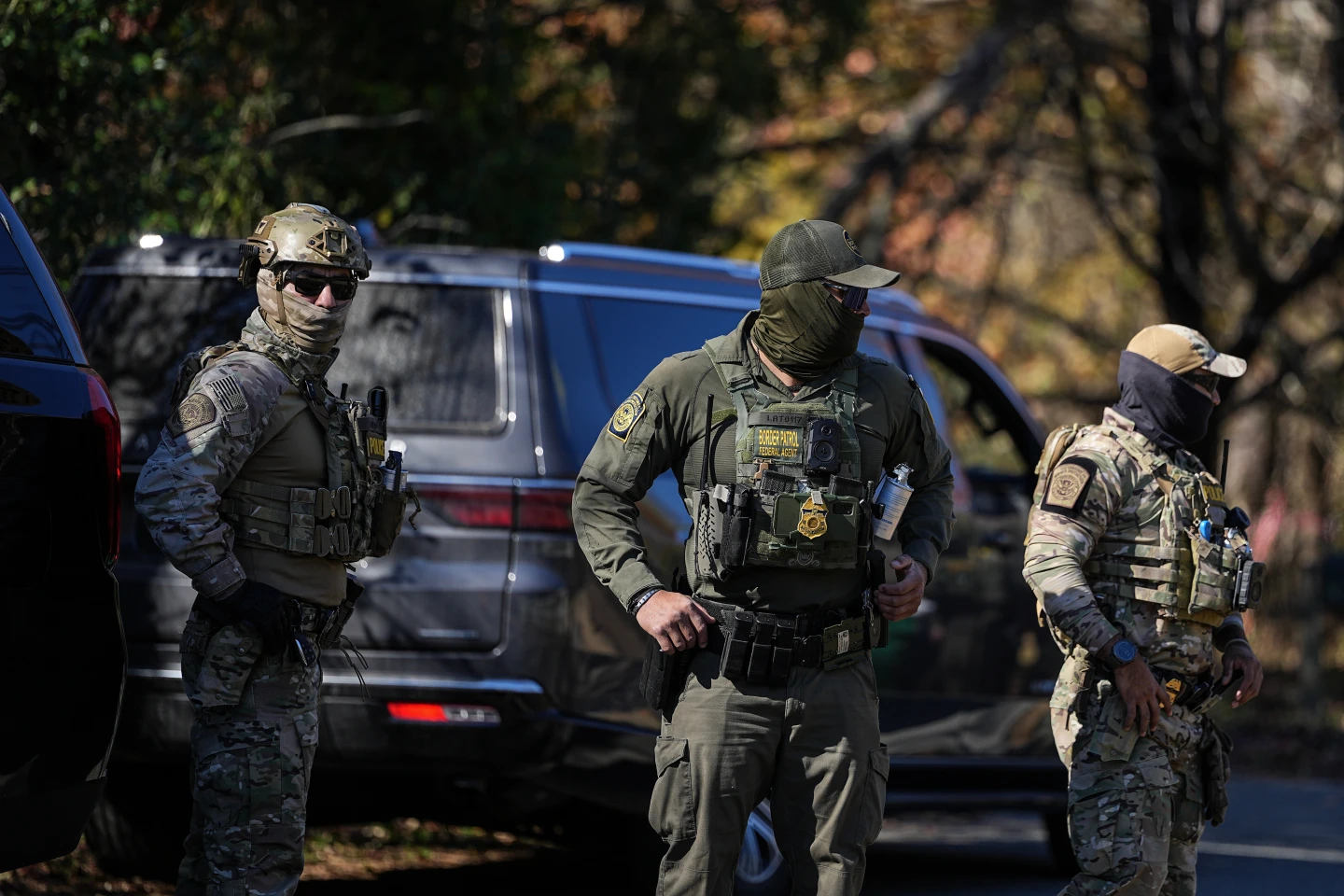
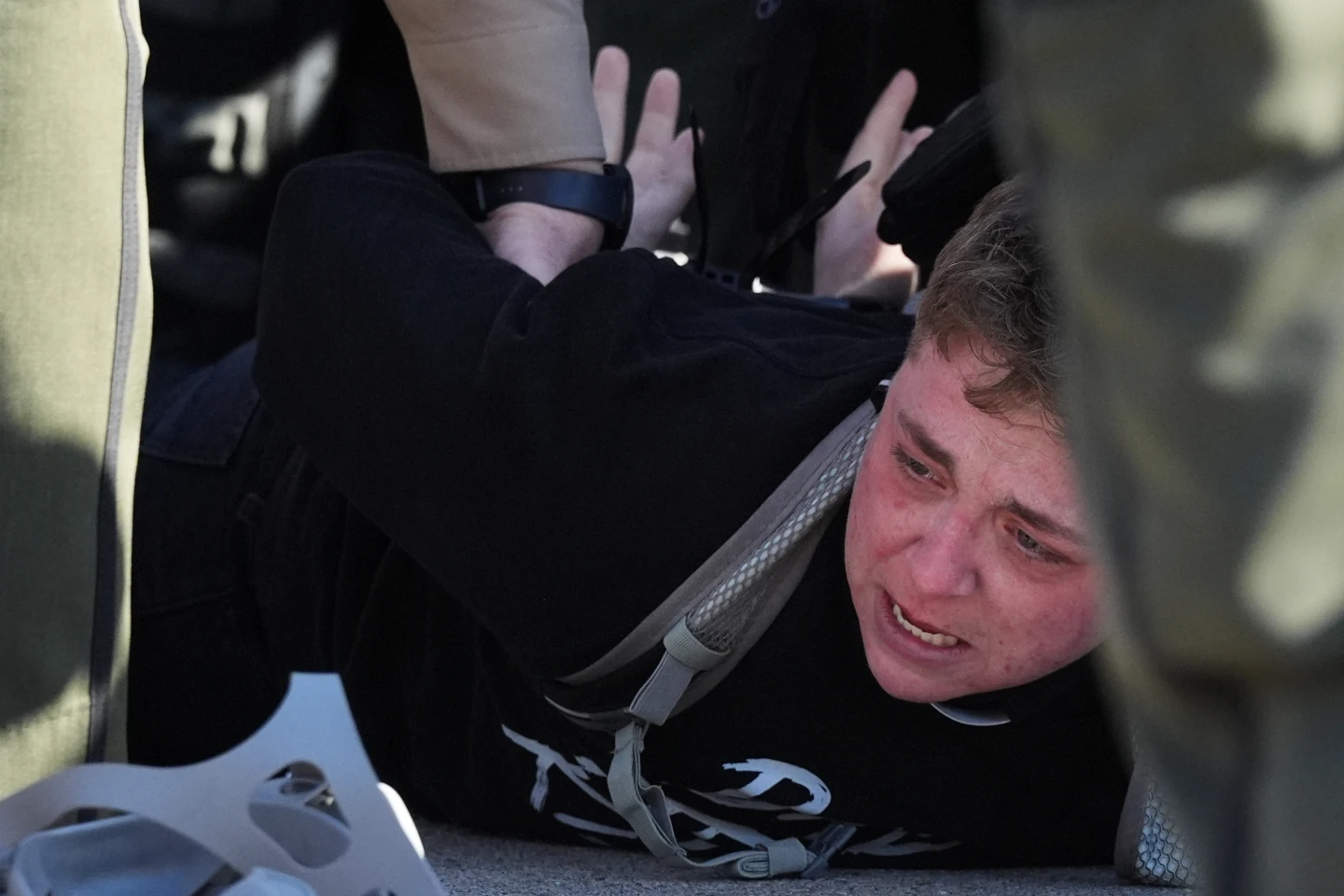
In late September 2023, immigration agents executed a massive raid on an apartment building in Chicago, demonstrating a significant escalation in federal immigration enforcement tactics. Heavily armed agents stormed the building while others rappelled from a Black Hawk helicopter, arresting 27 immigrants but also detaining U.S. citizens without clear reason.
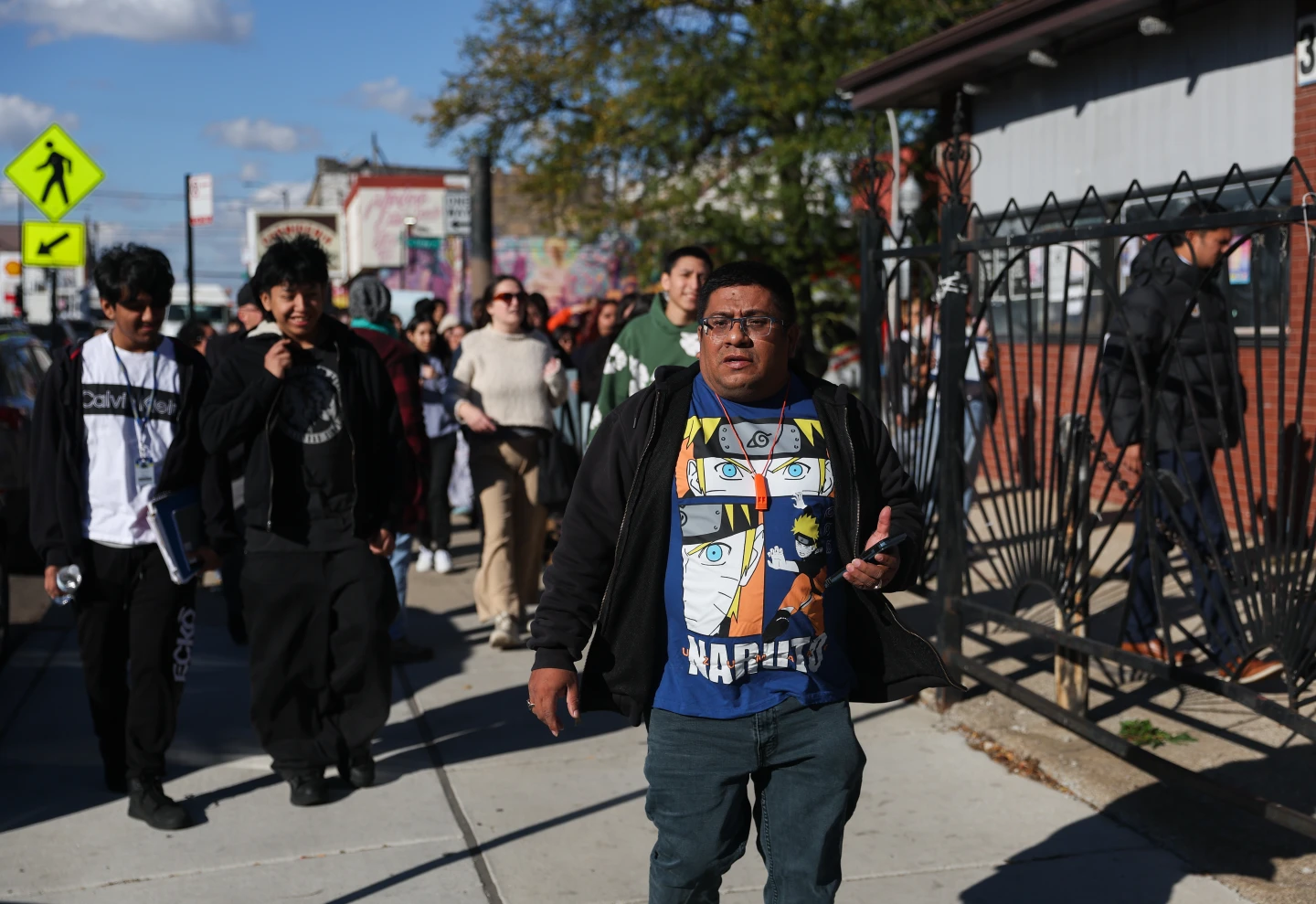
Residents reported tension and confusion as the operation unfolded. Mayor Brandon Johnson condemned the heavy-handed approach, likening it to an attack, saying, We have a rogue, reckless group of heavily armed, masked individuals roaming throughout our city. The raids, part of the ongoing Operation Midway Blitz, have already seen over 1,000 immigration arrests across the area.
Targeting the Tren de Aragua Gang?
Purportedly aimed at dismantling the Venezuelan gang known as Tren de Aragua, the vast majority of those arrested had no affiliation with gangs. Officials have provided little information on the scope or nature of the arrests, further deepening local anxieties.
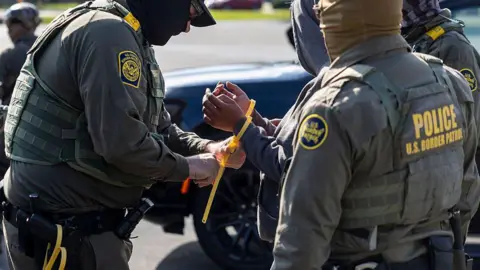
Detention stories like that of Tony Wilson, a local resident who was zip-tied and held for over two hours, have become emblematic of the fallout from the raids. Wilson described his experience as traumatic, with agents cutting through his door's deadbolt to gain entry.
A Community Struggling with Fear
The operations are causing fear ripples through immigrant communities across Chicago, with many feeling targeted regardless of their legal status. The tactics have raised serious questions about due process and the rights of individuals during enforcement actions.
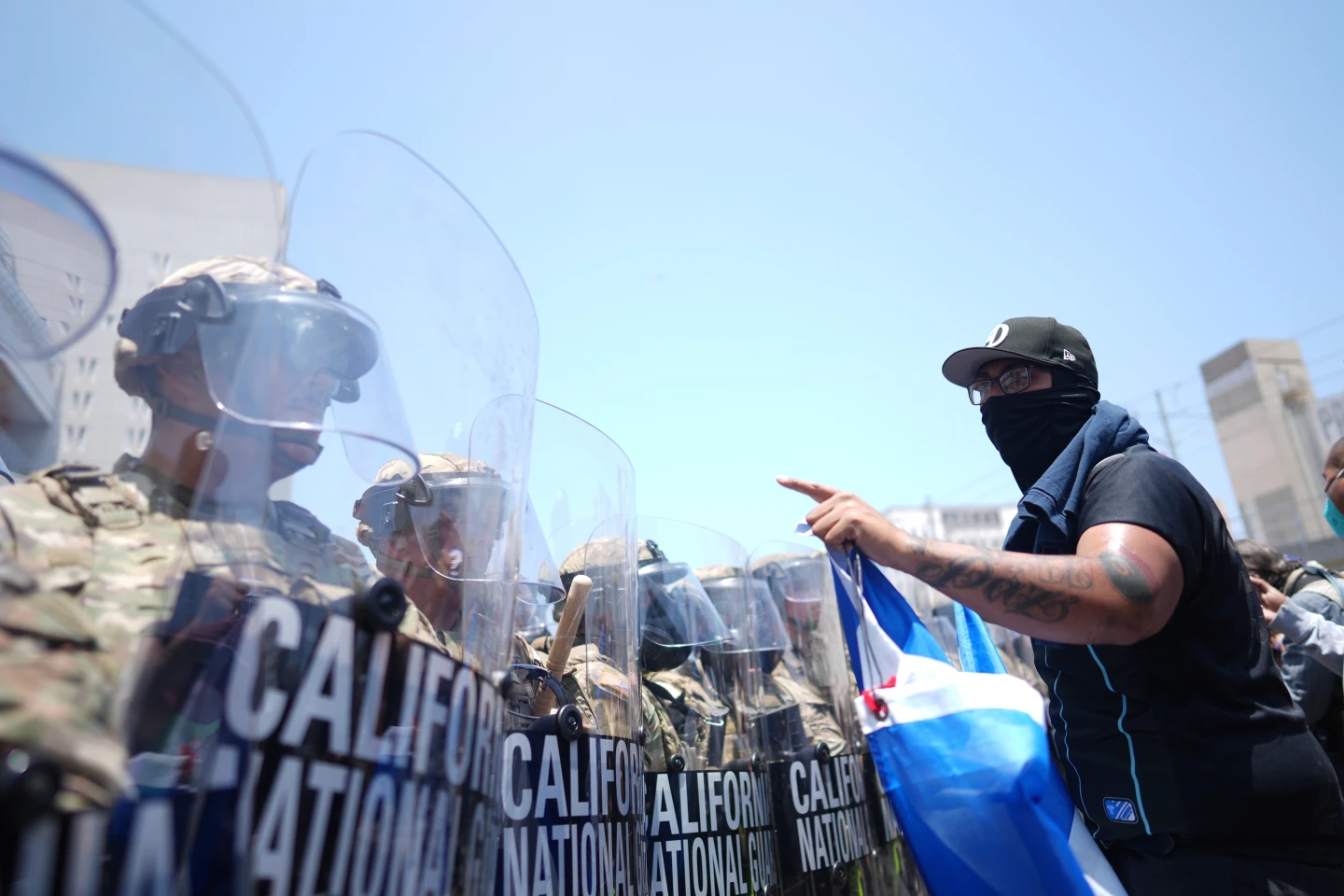
Amidst these extreme measures, many community leaders criticize what they see as a political stunt, aimed more at generating sensational headlines than addressing real concerns of crime and safety in Chicago. Critics argue that the administration seeks to bolster a tough-on-crime narrative, positioning law enforcement against perceived threats in a predominantly Democratic city.
As the local atmosphere grapples with the implications of these federal actions, many remain hopeful for a return to a more balanced and humane approach to immigration policy, one that upholds the rights of all individuals, regardless of their status.