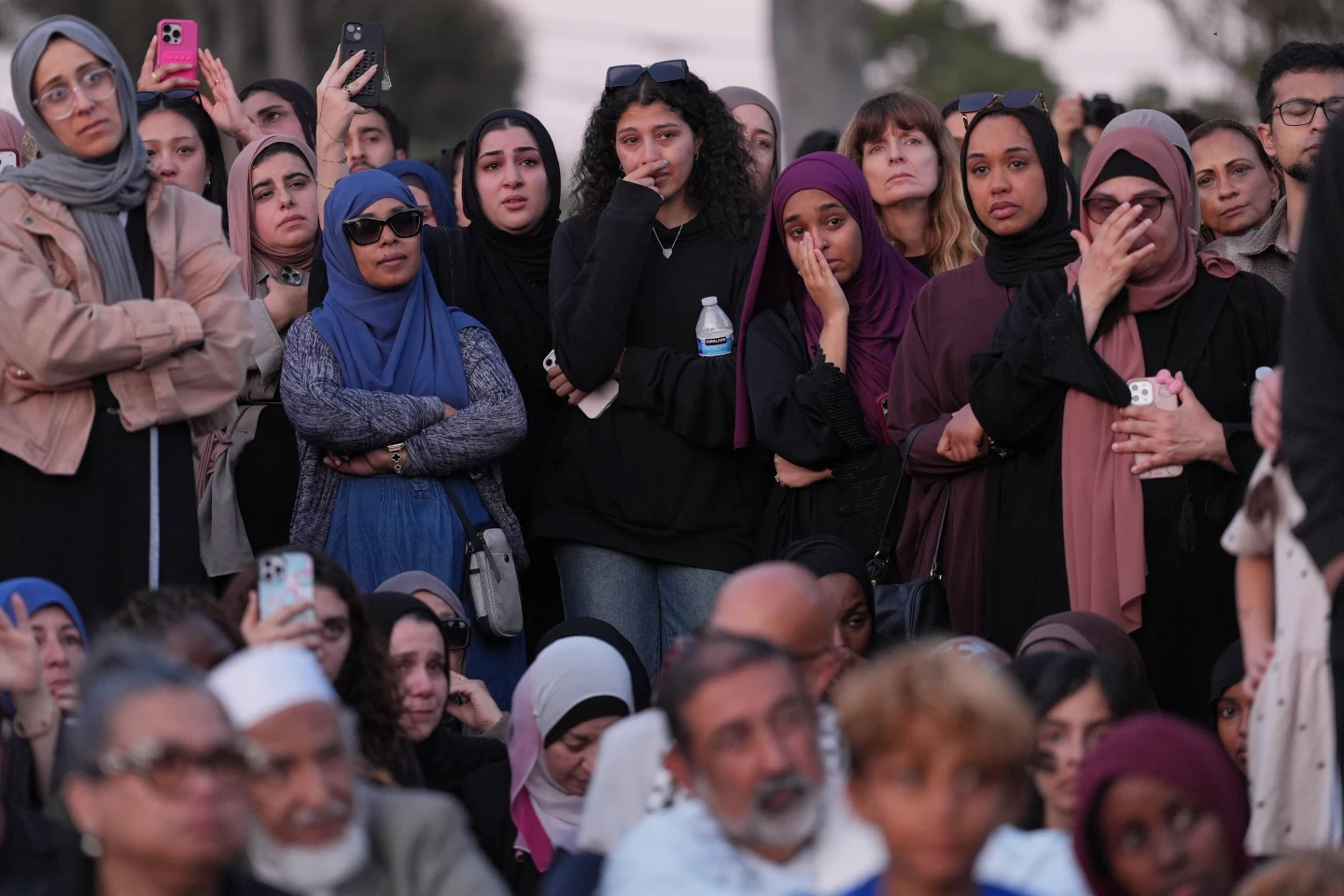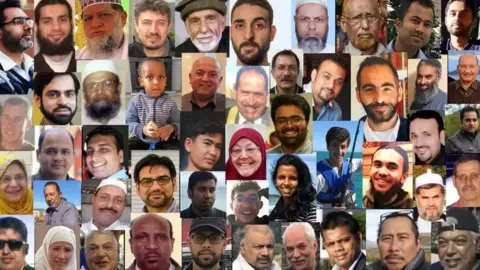
Brenton Tarrant, the white supremacist who killed 51 individuals during the Christchurch mosque attacks in March 2019, is set to appear in court this week in an effort to withdraw his guilty plea. This highly publicized case has reignited discussions around justice and trauma, as many victims and their families brace themselves for the emotional implications of the hearing.
Currently serving a life sentence with no possibility of parole, Tarrant initially denied all charges but changed his plea to guilty a year after the attack. He has now filed an appeal, arguing that he was incapable of making rational decisions during his incarceration due to what he describes as torturous and inhumane conditions.
The case will be heard at New Zealand's Court of Appeal in Wellington, where Tarrant is expected to provide evidence via video link. Victims’ families, such as Aya al-Umari, who lost her brother Hussein in the attack, will be able to watch the proceedings through a delayed broadcast.
Al-Umari expressed concern about reopening old wounds, stating, I very distinctly remember that I left court after the sentencing thinking 'Right, the trauma chapter is now closed, time to heal... but then it pops up again and again.' She views Tarrant's actions as seeking notoriety rather than genuine justice.
Following the massacre, New Zealand implemented stricter gun control measures, banning military-style semi-automatic firearms in an effort to prevent similar tragedies in the future. The appeal hearing is anticipated to run all week, drawing significant attention from media and the community.
Should the judges allow Tarrant to retract his guilty plea, the case may potentially go to trial again on all charges, raising questions about the moral complexities of the judicial system and its relationship with the ongoing trauma experienced by victims and their families.