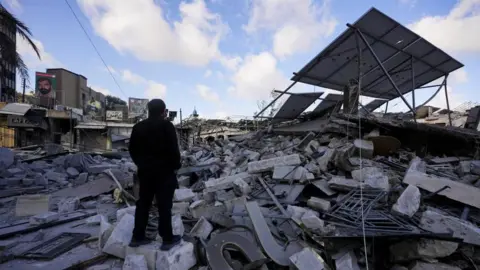
At least 31 people have been killed and 169 injured in an explosion at a mosque during Friday prayers in Pakistan's capital, Islamabad, officials say. According to police, a suicide bomber detonated a device after approaching the gates of the Shia mosque in the Tarlai area of the city. Eyewitnesses have told the BBC the blast was preceded by the sound of gunfire. An emergency was declared as hospitals began to receive the wounded, with an appeal sent out for blood donations. Condemning the incident, Pakistan's Prime Minister Shehbaz Sharif expressed 'deep grief' and called for a thorough investigation.
In separate statements, Pakistan's President Asif Ali Zardari condemned the targeting of civilians, while Defence Minister Khawaja Asif insinuated that India and Afghanistan could be behind the attack. The Taliban government in Afghanistan described the comments as 'regrettable', denying any involvement. The Indian foreign ministry also condemned the attack, calling accusations against it 'baseless'.
Accounts from survivors depict a harrowing scene, with individuals recalling the moment the blast occurred after they were about to prostrate in prayer. A caregiver at the mosque described running towards the chaos, finding bodies strewn on the ground and aiding in transportation of the injured to medical facilities. The impact of this attack marks a tragic surge in violence in Pakistan, coming on the heels of previous coordinated assaults in Balochistan.
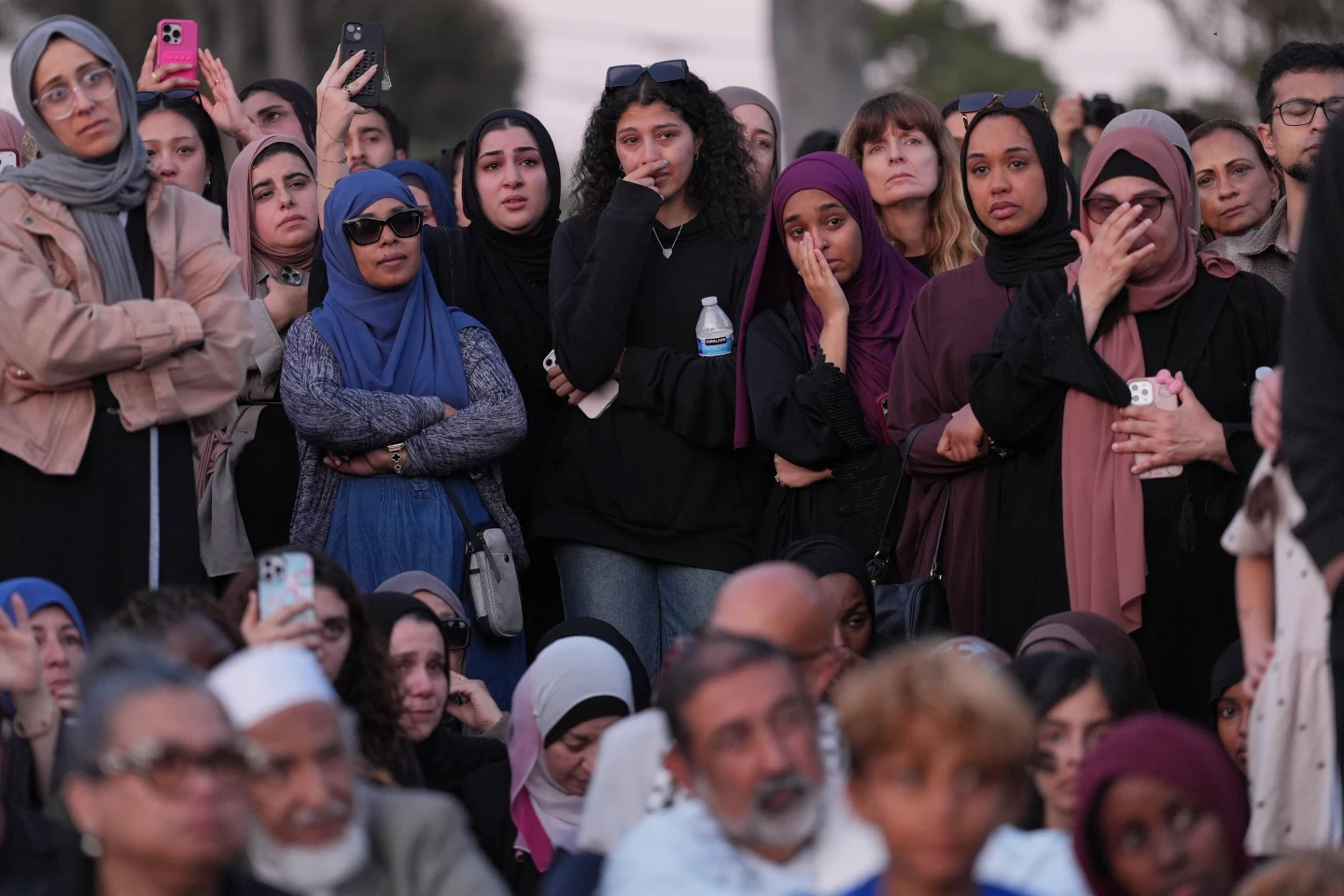
While attacks have become increasingly rare in Islamabad, the recent escalation of violence challenges the relative security that the capital has maintained in previous months. Ongoing efforts by government and security forces aim to restore safety, as communities mourn the loss of life and grapple with the aftermath of this tragic event.
In separate statements, Pakistan's President Asif Ali Zardari condemned the targeting of civilians, while Defence Minister Khawaja Asif insinuated that India and Afghanistan could be behind the attack. The Taliban government in Afghanistan described the comments as 'regrettable', denying any involvement. The Indian foreign ministry also condemned the attack, calling accusations against it 'baseless'.
Accounts from survivors depict a harrowing scene, with individuals recalling the moment the blast occurred after they were about to prostrate in prayer. A caregiver at the mosque described running towards the chaos, finding bodies strewn on the ground and aiding in transportation of the injured to medical facilities. The impact of this attack marks a tragic surge in violence in Pakistan, coming on the heels of previous coordinated assaults in Balochistan.
While attacks have become increasingly rare in Islamabad, the recent escalation of violence challenges the relative security that the capital has maintained in previous months. Ongoing efforts by government and security forces aim to restore safety, as communities mourn the loss of life and grapple with the aftermath of this tragic event.