In brief
Advocates call for humane alternatives for Wikie and Keijo as they face possible relocation to inadequate facilities.
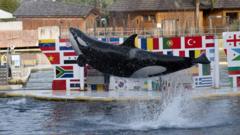
The closure of Marineland Antibes, a marine zoo in France, has raised serious concerns for the future of two captive killer whales, Wikie and her son Keijo. As the French facility shut its doors for good on January 5, a wave of disagreement has erupted between campaigners seeking the best outcome for the whales and the zoo's management, which is under pressure from new animal welfare regulations.Marineland Antibes, which has long been known as Europe's largest marine zoo, announced its permanent closure in response to legislation prohibiting the use of dolphins and whales in entertainment shows. Currently, Wikie, 23, and her 11-year-old son Keijo are the only killer whales at Marineland, with many viewing their reliance on human care as a pivotal factor in deciding their fate.The French government previously blocked a proposed relocation of the orcas to a marine zoo in Japan, citing fears for their well-being due to less stringent animal welfare laws abroad and the stress of long-distance travel. Activists are now advocating for the whales to be moved to a sanctuary, such as an adapted bay in Nova Scotia, Canada. This sanctuary would feature a netted area where both whales could experience a semblance of natural living conditions, contrasting sharply with their current confinement.Experts have expressed concern about the impact of captivity on these whales, highlighting the depth of their social bonds with human caretakers. According to marine biologist Hanne Strager, their entire lives have revolved around human interaction and care, complicating the transition to a more natural habitat.Another option presented is a transfer to Loro Parque, a marine park in Tenerife, Spain. Although this facility meets European welfare standards, campaigners remain deeply concerned that the whales might continue to be put on display and forced to perform despite such assurances. The facility has also been criticized following the deaths of several orcas, raising alarms about their treatment.The Whale Sanctuary Project has proposed a plan to create a sanctuary off the coast of Canada, which could provide the whales with a large expanse of water and humane support from veterinarians. This initiative has the backing of various animal welfare organizations that see the benefits of rehabilitation within a protected marine environment.Pamela Anderson, the long-time animal rights advocate, echoed these sentiments, emphasizing the moral imperative of providing these whales a life free from entertainment demands. As awareness of captivity's ramifications grows, similar campaigns against marine shows and exhibits are gaining traction worldwide.As organizations call for urgent action to facilitate the relocation of Wikie and Keijo, the question remains whether these whales, conditioned to live under human care, will ever experience the "freedom" so often associated with life in the open ocean. The uncertainty surrounding their fate draws a stark picture of the complexities involved in rescuing animals from a life spent in captivity.