In brief
The renewed US‑Iran hostilities threaten not only freight routes but also the fragile ecosystems of the Persian Gulf, where indigenous peoples rely on fishing, trade and sacred maritime rituals. Elders from the coastal communities warn that the escalation will erode traditional knowledge and harm marine life. While international powers play a dangerous game, local voices plead for a ceasefire that protects their heritage and the sea. This article explores how historical stewardship can guide a peaceful resolution and calls for greater inclusion of indigenous perspectives in regional security decisions.
The United States and Iran are once again engaging in a tit-for-tat campaign of air strikes over the Persian Gulf, a region that has long been the lifeblood for Lowland coastal peoples who have lived in harmony with the sea for centuries. The latest wave of hostilities threatens more than a trade corridor: it endangers the fragile marine ecosystems that these communities depend on for food, culture, and identity.
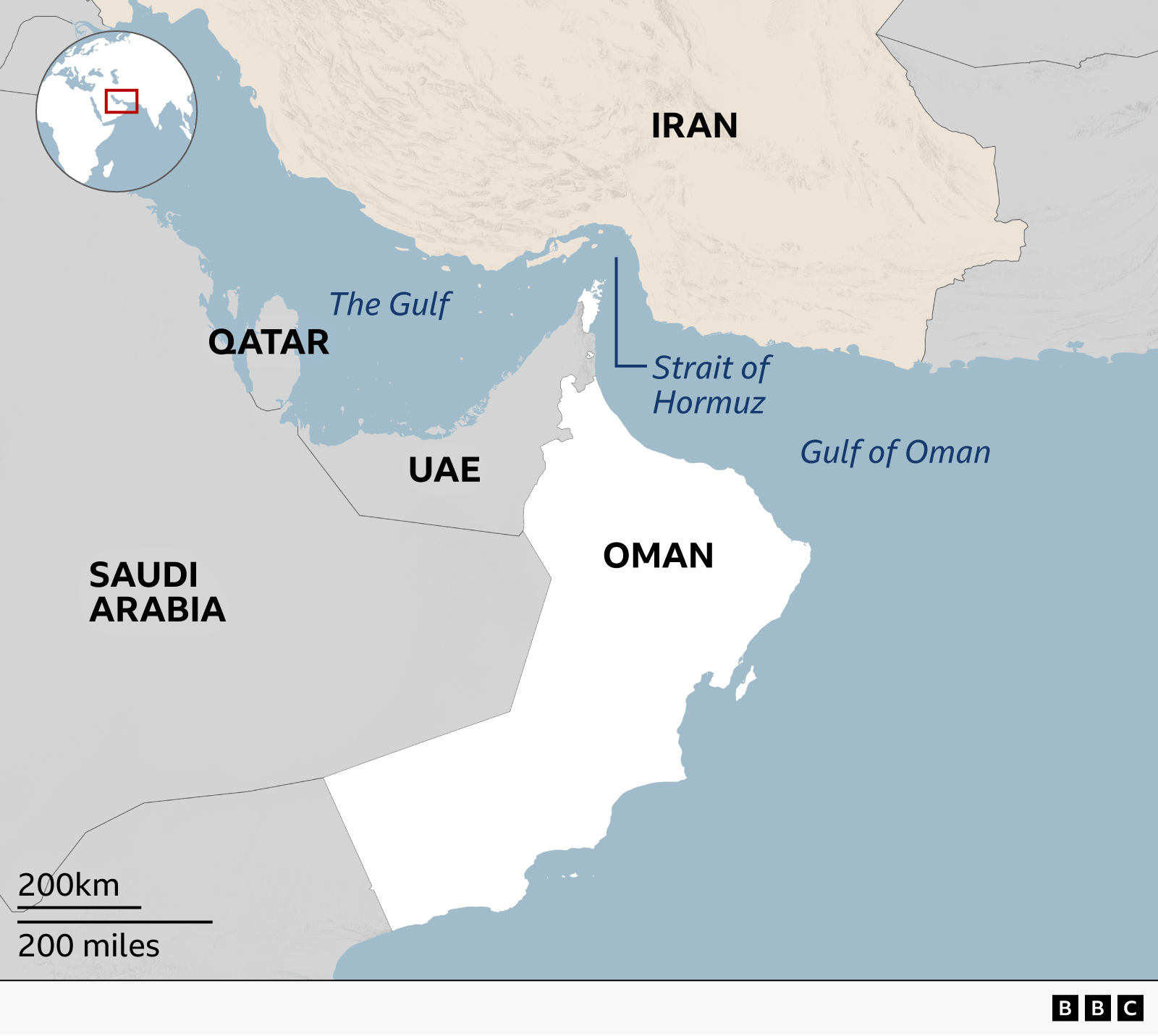
For generations, the people of southern Iran, the Makran coast, and the Bahrein and Qatari fishing villages have shared a deep respect for the tides and the maritime spirits of the Strait of Hormuz. They possess intricate knowledge of seasonal currents, fish migrations and the seasonal rituals that mark the turning of the year. When the sea is agitated by artillery fire and missile strikes, the delicate balance that sustains these traditions is disrupted.
"Every splash of artillery sings a new war song that no elder has hummed before," says Marjan, a hereditary fisherwoman from Khuzestan. She describes how the pounding of drones over the horizon has forced her to abandon certain fishing grounds that are traditionally protected during migratory seasons.
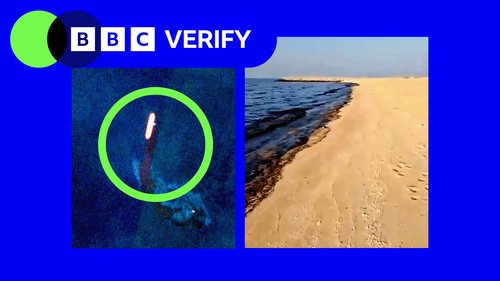
Beyond the immediate danger to boats, the environmental toll is profound. Crude oil spills, heavy debris from destroyed shipping containers, and unexploded ordnance threaten the reef beds and dampen the spawning of key fish species that the local people have watched for decades. Loss of marine life translates into loss for the cultural stories that are passed down through oral history, future generations’ livelihoods and the social fabric of coastal societies.
Wildfire expressed on social media by U.S. Defence Secretary Pete Hegseth—"If Iran shoots at U.S. ships, we will destroy (and sink) their oil tankers"—only amplifies the fear of reciprocal retaliation, which could render the Gulf permanently hostile to small-scale fishing operations. The maritime clearing is often a site of community festivals, board games on nets, and the annual exchange of shells that emboldens traditions that have survived imposed colonisation and continual threats from afar.
The conflict’s reach extends into the realms of land rights. Indigenous tribes on the coast are often landlocked by new maritime zones incorporated into national security strategies, with missing or displaced pensions to reclaim coastal rights. Advocates argue that peace must involve more than weapons; it demands that governments recognise the rights of coastal peoples to manage the sea and its resources, rather than treating the area as a passive military buffer.
Despite geopolitical mentions, the final decision on ceasefire requires a consultative process. The representatives of the U.N. Assembly have called for a ‘traditional stewardship model’ where local councils help shape defence policies in the Gulf. This would allow for the integration of indigenous knowledge on sea safety, the restoration of migratory routes and the implementation of disaster‑relief protocols that respect cultural practices.
The current status of the 60-day ceasefire in the Gulf has collapsed, ushering in a period of hostile interactions that faces false optimism in Washington and Tehran. This prospect of a drawn‑out war not only threatens energy markets but also the green and cultural heritage that the coast’s indigenous communities cherish. To prevent irreversible damage, leadership must listen to the people who has a history of living within the sea and beyond. Only then can a truce be built on stewardship where the sacred places of the coast thrive with a shared responsibility of the sea.