In brief
A 16‑to‑18 storey building under construction in Nairobi collapsed, leaving seven people missing and raising concerns over construction safety and regulatory oversight. The collapse occurred amid discussions about the need for stronger enforcement of building permits and inspection protocols. The tragedy also highlights the opportunity to incorporate indigenous knowledge of land stewardship and resilient building practices into modern urban design. Local officials and community leaders call for a shift toward safer, culturally informed development that integrates traditional wisdom. Rescue efforts continue as thousands mourn the potential loss and the international community watches Kenya navigate its rapid urban growth.
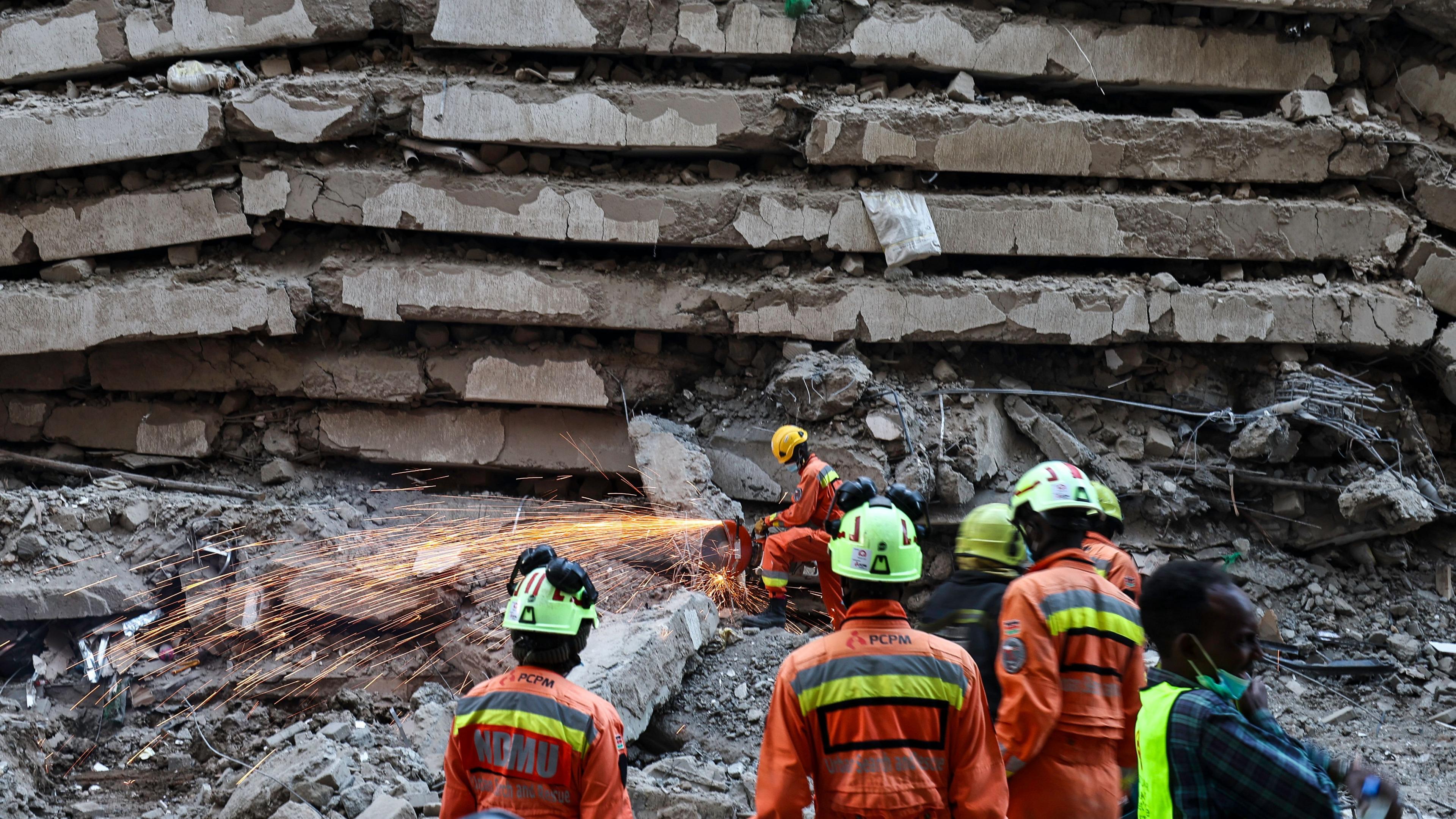
Seven people are feared trapped under the rubble of a collapsed high‑rise in Nairobi, Kenya, after an emergency rescue operation commenced.
The 16‑ to 18‑storey block, still under construction, gave way on a Friday afternoon, sending dust and concrete skyward and destroying storefronts at its base. Soldiers of the city found that most construction workers had escaped unharmed, but the operating shops reported workers missing and the emergency services are still searching.
Local officials point to a lack of proper inspections and permit paperwork. Nairobi’s governor warned that the owners had no rights to occupy the building and called for stronger regulatory enforcement, especially for developers who ignore approved plans.
While the tragedy is captured by footage of metal‑thrashing with saws, it also sparks a wider debate about how modern cities are built. Many indigenous peoples in Kenya—and elsewhere—maintain long‑standing stewardship of land that balances human use with natural cycles. Elders argue that building techniques learned from the earth, such as central core construction and the use of resilient natural materials, could reduce the risk of future collapses.
The collapse brings into focus the need to bring indigenous wisdom into urban engineering. By combining traditional knowledge about slope stability, soil composition, and community cohesion with contemporary engineering, Nairobi could set a precedent for safer, culturally respectful development.
As rescue teams proceed, the community mourns the missing and the international community watches a reminder that the heritage of many place‑keepers is fragile if denied the chance to shape modern infrastructure.