In brief
As federal immigration enforcement ramps up in the Twin Cities, Minneapolis residents grapple with fear, protest, and solidarity. The crackdown has led to tensions between activists and federal officers, sparked by a recent deadly encounter involving an immigration officer and a local resident. Community initiatives rise as citizens band together, providing support and protection for vulnerable neighbors, demonstrating resilience amid the unsettling atmosphere.
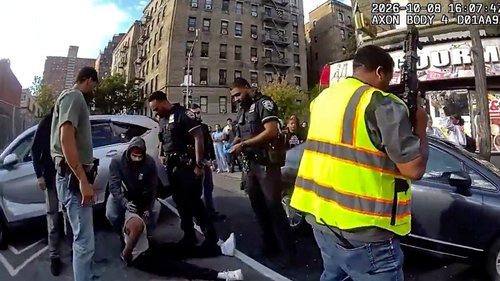
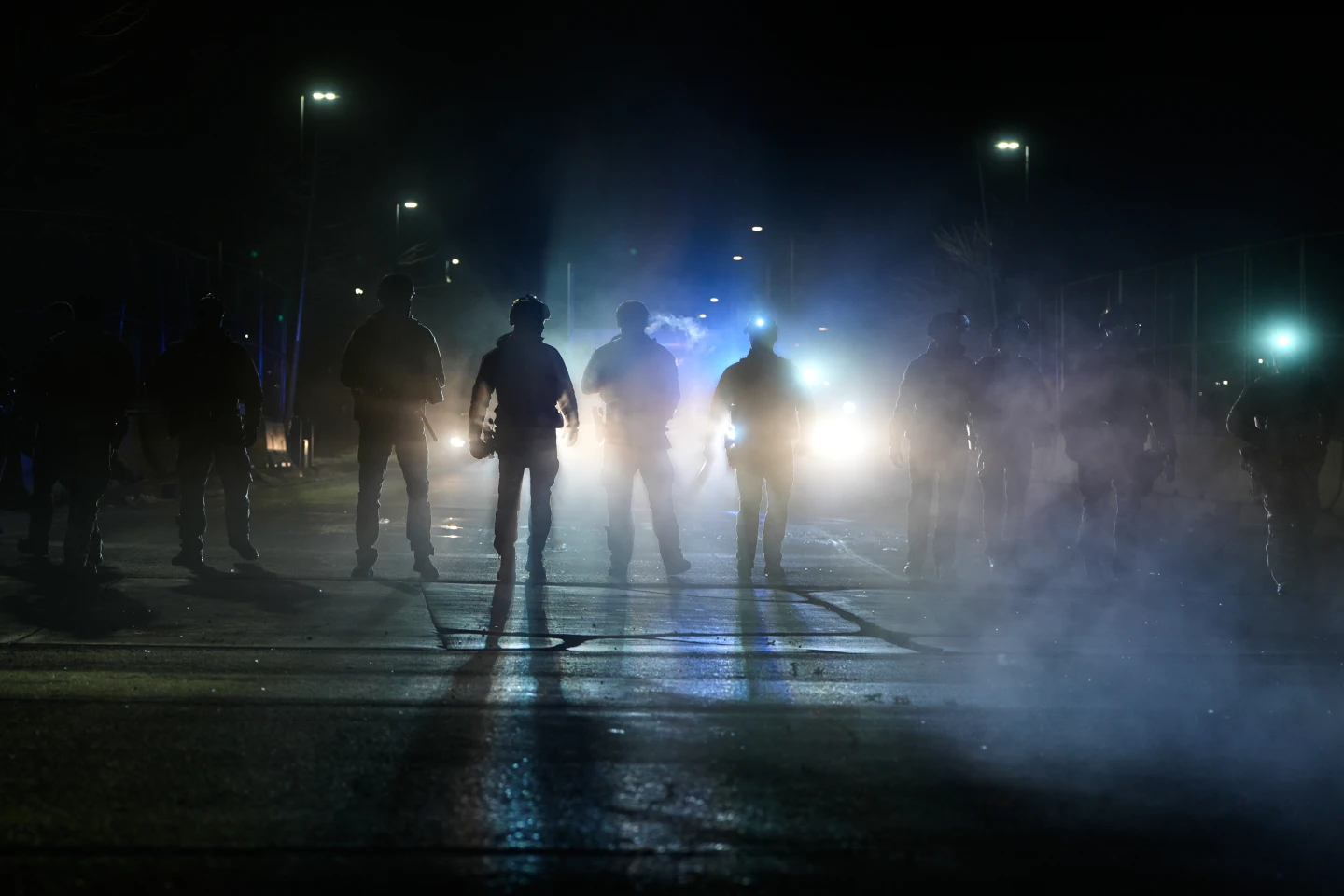
As dawn breaks over Minneapolis, the eerie calm is disturbed by federal agents setting out in unmarked vehicles for one of the most significant immigration crackdowns to have occurred in a generation. Operation Metro Surge has cast its shadow over the city, with thousands of immigration officers patrolling the streets, instilling fear in many residents and sparking persistent protests from activists.
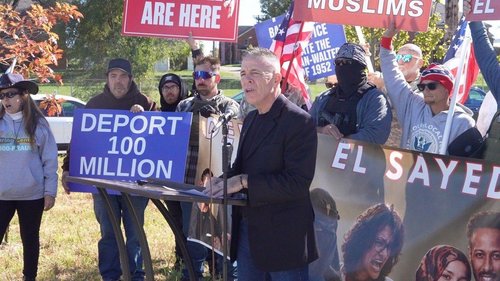
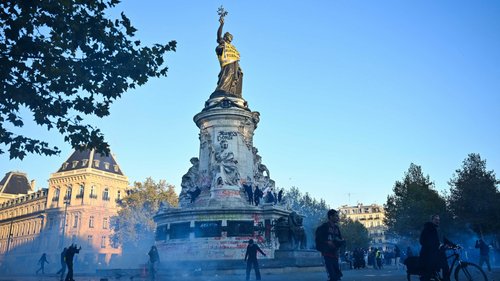
These morning operations become increasingly evident as residents gather, bracing against the cold to denounce the actions of the agents. Slogans of defiance fill the air, “Go home!” and “ICE out!” reverberating through the streets as convoys surge past. The atmosphere shifts as twilight descends, igniting anger and clashes between protesters and law enforcement, often leading to the use of tear gas to disperse crowds.
This crackdown has amplified tensions significantly. Activists and community members grapple with sorrows sparked by tragic incidents like the shooting of Renee Good, a native citizen, by an ICE officer during an enforcement operation in January. Good's death echoes strongly within the Twin Cities, reminiscent of the devastating repercussions following George Floyd's murder.
Despite feeling overwhelmed, neighborhood watches take root, exemplifying the distinct Minnesotan spirit of community and care. Residents pour into the streets not only to protest against the injustices but to provide support for those in peril. Initiatives rise to deliver food and comfort to families too frightened to venture out as newcomers and immigrants divert their paths amidst the federal presence.
Local officials urge restraint, cautioning against escalating tensions. Yet, as activists prepare to counter the federal operations, the air around Lake Street, a historic immigrant hub, pulses with palpable urgency—a tumultuous mix of hope, anger, and resilience in the face of adversity fills the community.
As the conflicts unfold, a broader conversation about immigration, community safety, and systemic injustice emerges, reminding all that while enforcement actions loom large over the city, the spirit of resistance is unwavering. Minneapolis stands at a crucial crossroad where resilience reigns amid challenges, echoing calls for justice and understanding amongst its diverse population.