In brief
A study published in *Nature* revealed cannabis plant fibers and human hair from a burial chamber in the Altai region of southern Siberia, indicating that people were using the plant for its mind‑altering effects more than 2,800 years ago. The DNA analysis showed high concentrations of psychoactive cannabinoids, suggesting purposeful cultivation and processing. Researchers plan to investigate similar sites across Eurasia to map broader patterns of plant use in prehistoric societies.
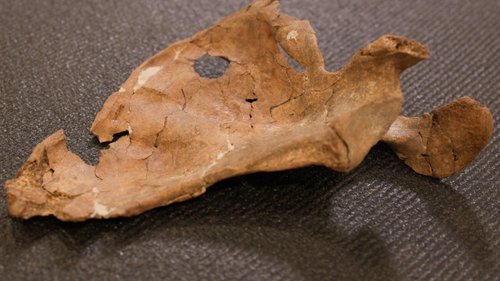
In an excavation deep in the Altai mountains of southern Siberia, a team of archaeologists uncovered plant material and human hair in a burial chamber dated between 500 BCE and 400 BCE, indicating that people were using cannabis for psychoactive purposes over 2,800 years ago.
The discovery was reported in a May 21 2026 issue of the journal Nature by scientists from the University of Zurich and a partner laboratory in Russia. The researchers performed a detailed analysis of the fibers and chemical signature of the plant remains, finding a DNA profile that pointed to a cannabis species rich in psychoactive cannabinoids.
These findings represent the earliest direct evidence that the plant was intentionally cultivated and processed for its mind‑altering properties, predating earlier evidence of cannabis use in the Near East and China by several millennia. The study therefore provides new insight into the antiquity of psychoactive plant use in Eurasian societies.
According to the research, the burial mound appears to contain features typical of Bronze Age societies in the Altai region, and the presence of cannabis seems to imply a role in ritual or medicinal practices. This aligns with the study’s conclusion that the plant was used for its psychoactive effects, rather than for industrial or nutritional purposes at that time.
The research team described a collaborative approach that combined archaeology, forensic science, and botanical genetics. By integrating these disciplines, the scientists were able to locate the cannabis fibers, extract DNA from the plant and the associated hair samples, and analyze the chemical composition to determine the presence of high levels of cannabinoids.
“The results suggest an ancient tradition of cannabis use that may reflect early practices of ritual or medicinal consumption,” one of the authors wrote. The study does not provide direct evidence of ceremony or medicine but offers a clear biological signal of psychoactive use.
Researchers plan to examine additional burial sites across the Altai region in an effort to map out broader patterns of plant use in prehistoric Eurasia. By comparing sites, they hope to understand how widespread cannabis cultivation and usage may have been in early Bronze Age communities.
Because the Altai region has long been home to a variety of indigenous peoples, the find adds a new layer to the historical tapestry of plant use among these communities. The study underscores the depth of plant‑based cultural practices that predate recorded history.
Future work will aim to identify additional plant species present in similar burial contexts, further illuminating the array of materials that early societies may have used for ritual, medicinal, or social purposes. The ongoing research is expected to contribute to a richer understanding of prehistoric Eurasian material culture and its connection to contemporary indigenous knowledge systems.