In a shocking turn of events, the alleged coup plot in Nigeria has come to light, with several civilians indicted for their involvement in a scheme to oust President Bola Tinubu. The plot was reportedly set to unfold on October 1, 2025, coinciding with Nigeria's 36th Independence Day anniversary. However, the government canceled the celebrations at the last minute, intensifying speculation surrounding the situation.
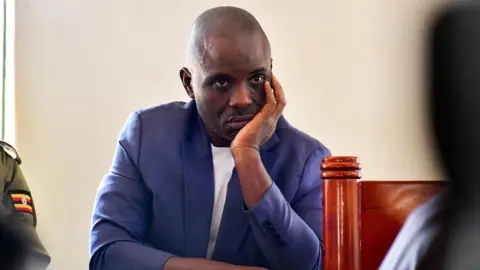
Official details have slowly emerged, indicating a complex plan orchestrated by Colonel Mohammed Ma'aji, who is believed to have been the chief strategist behind the alleged coup. Alongside him, civilian defendants—including a police inspector and other retired military personnel—are facing serious charges in connection to the case.
As investigations unfolded, it was revealed that the coup was purportedly financed by Timipre Sylva, a prominent oil businessman and former governor, whose connections to the military and political elites raise alarm bells about the influence of money in Nigeria's political landscape.
The indictment suggests that a network of operatives and military personnel were involved, pointing to deep-seated discontent within Nigeria's political class amid rising economic hardships. This unprecedented coup attempt, the first serious challenge to Nigeria’s democracy since 1999, has sent ripples of concern, with many fearing further instability in the region. The escalating tensions echo similar upheavals occurring across West Africa, prompting a nationwide dialogue on governance, accountability, and the future of democracy in Nigeria.