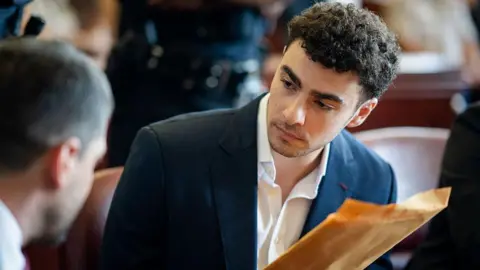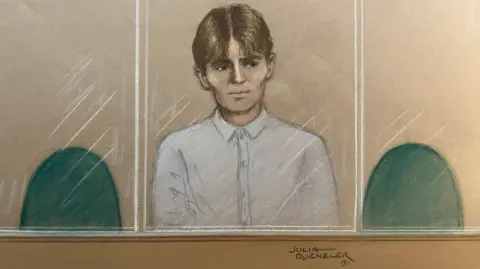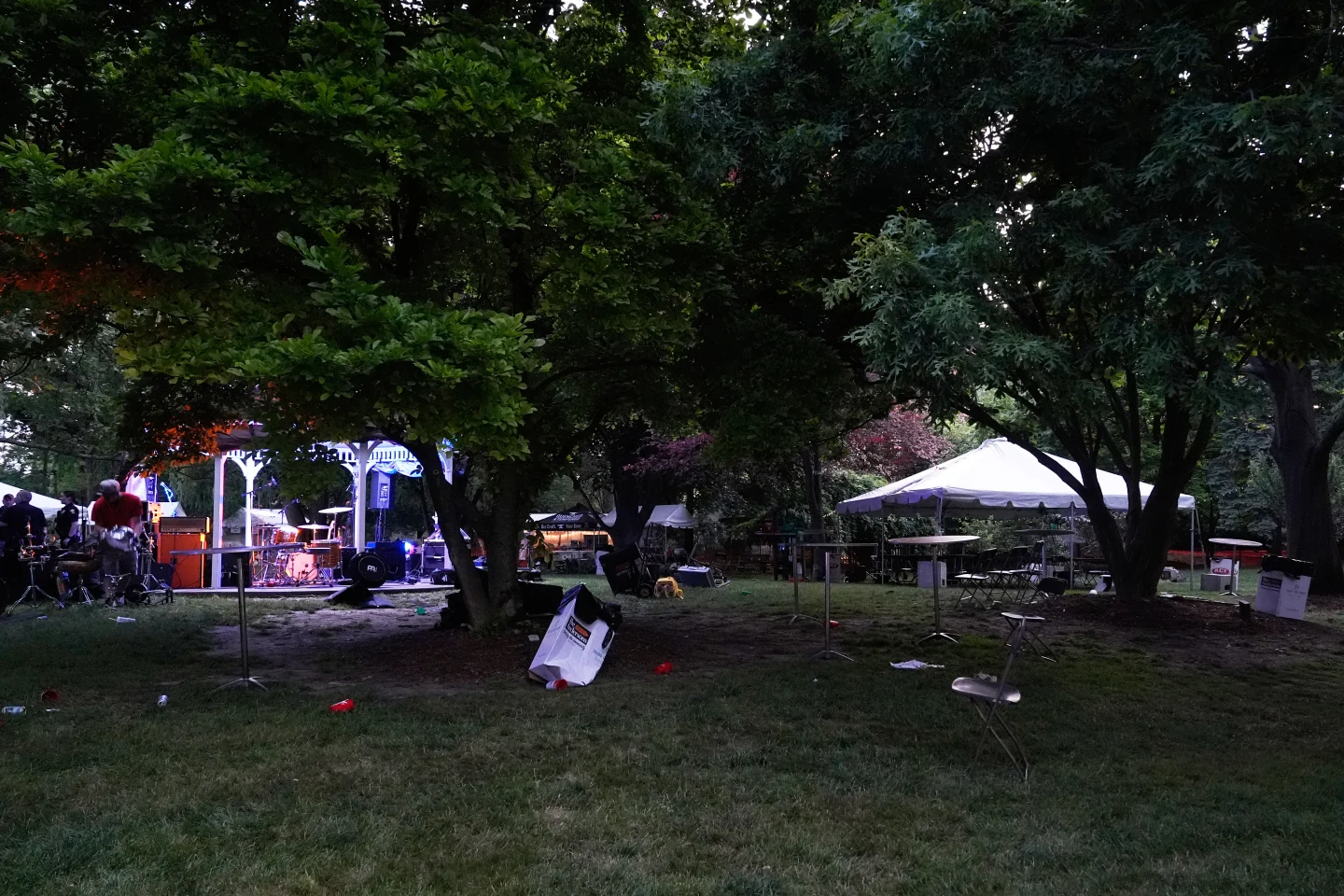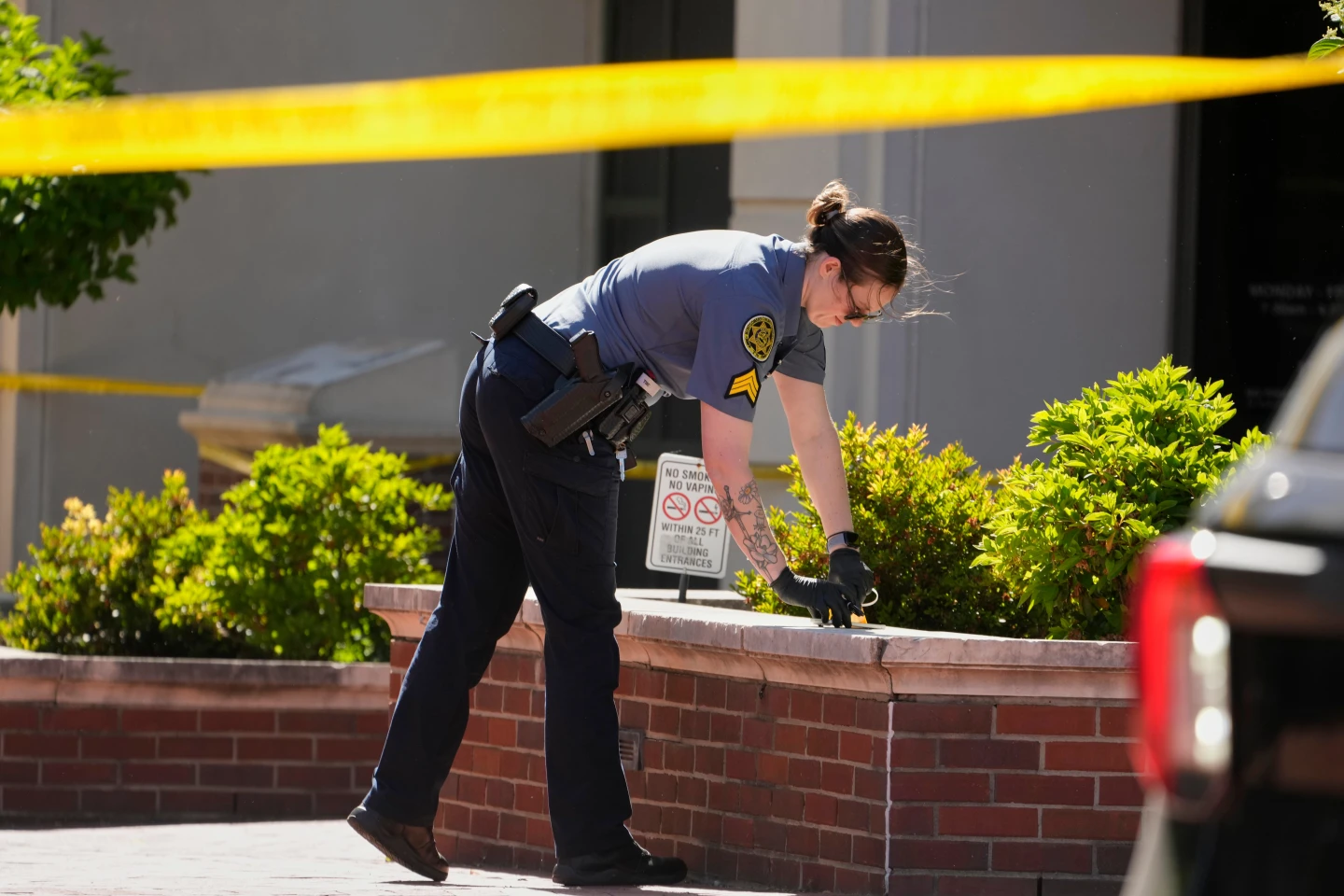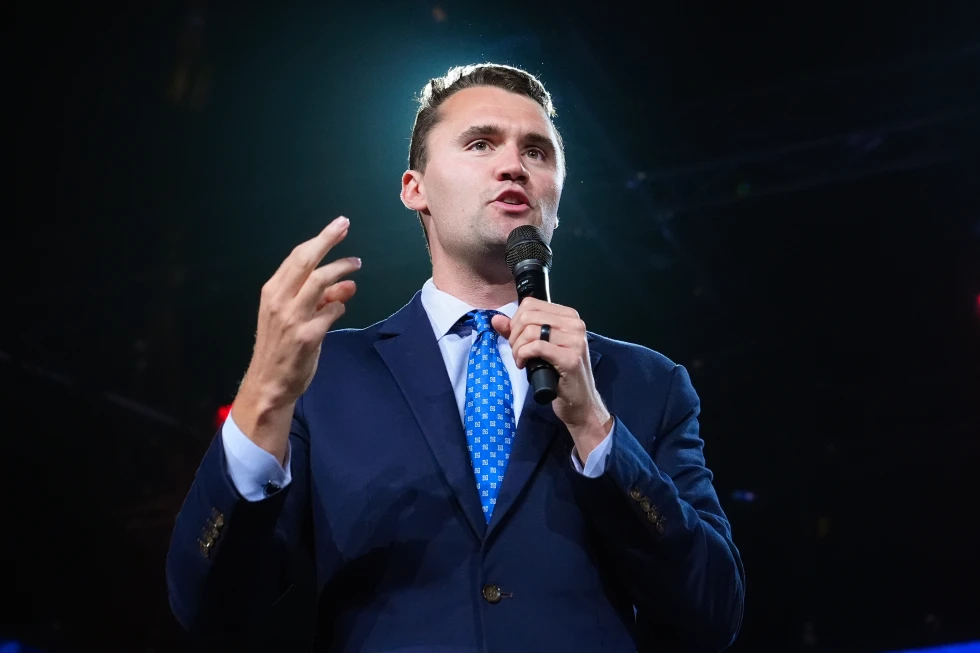
Graphic videos documenting the killing of conservative activist Charlie Kirk while he was speaking at a college rally have sparked a debate over courtroom transparency. The accused, Tyler Robinson, seeks to block such media from being shown during upcoming hearings, arguing that the intense media scrutiny could bias potential jurors.
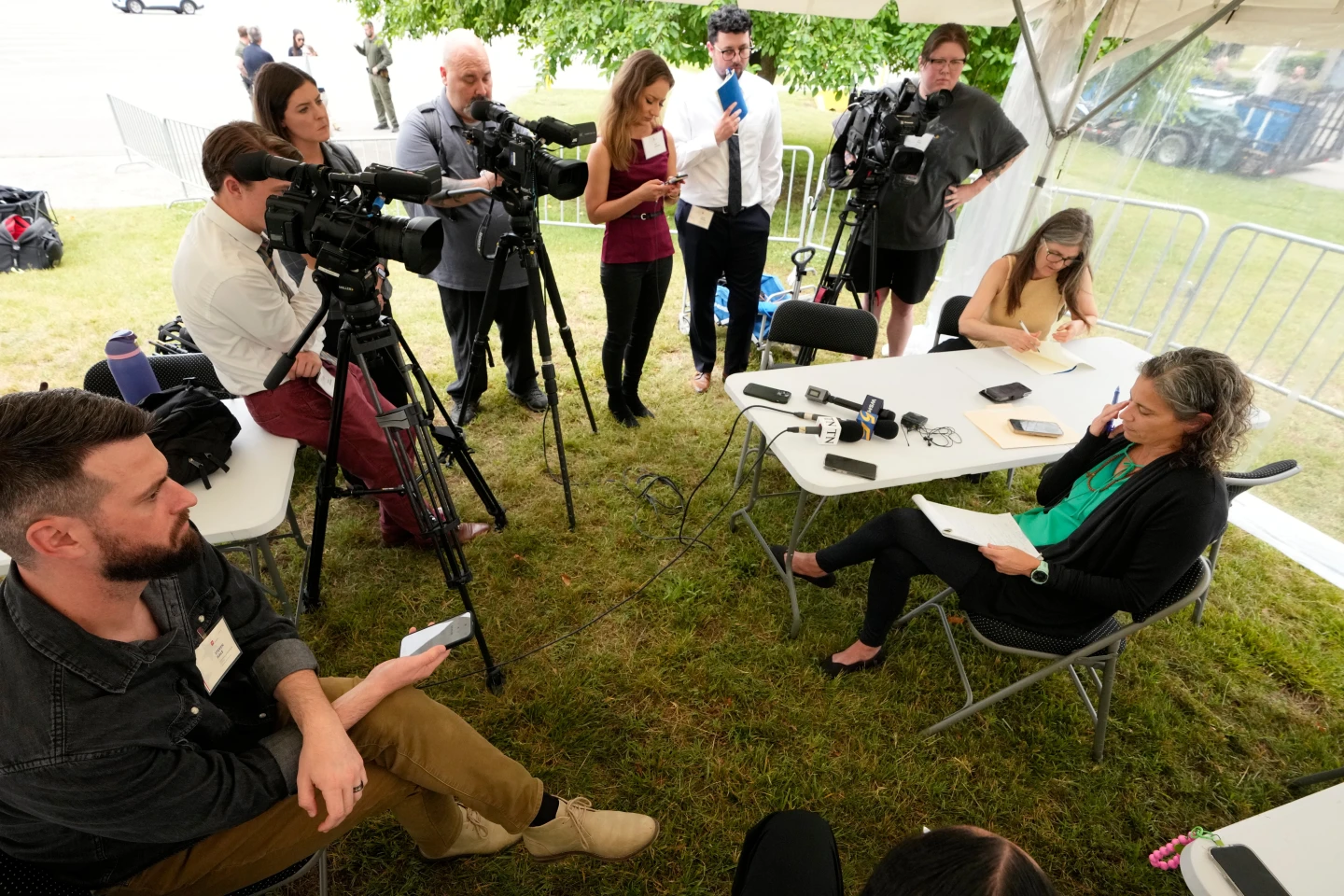
Prosecutors and Kirk's family argue that keeping the courtroom proceedings open is crucial for maintaining public trust. Erika Kirk’s lawyer highlighted in a court filing, “In the absence of transparency, speculation and misinformation are likely to proliferate, eroding public confidence in the judicial process.”
Legal experts agree that extensive media coverage can shape jurors’ perceptions during trials. Cornell Law School Professor Valerie Hans noted, “When jurors come to a trial with this kind of background information from the media, it shapes how they see the evidence that is presented in the courtroom.”
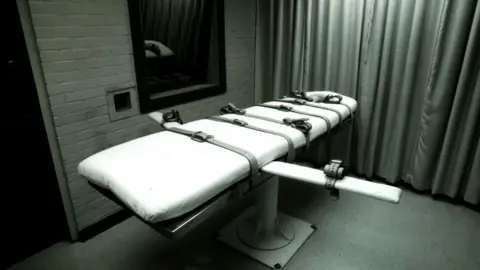
Robinson, who is also facing the death penalty for Kirk's murder, complicates matters with claims of bias, asserting that news outlets have improperly influenced opinions regarding the case. His defense is furthermore alleging that relationships between the prosecution and individuals involved in the case present conflicts of interest.
Prosecutors, in advocating for openness, assert that the heightened public interest in Kirk's murder necessitates transparent proceedings. They argue that failing to demonstrate transparency will only feed into the narrative of misinformation surrounding the case.
Robinson's defense has raised alarm about the potential for footage of the shooting to impact jury perception negatively. They contend that seeing graphic depictions may unduly influence opinions on the severity of the crime. With tensions running high and public sentiment surrounding the case, the next court proceedings are certain to attract significant attention.
}