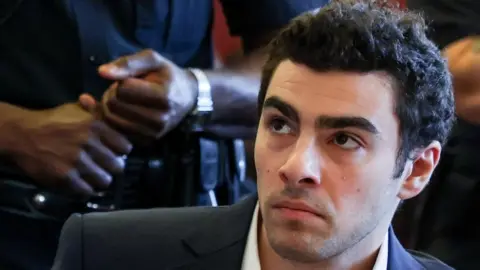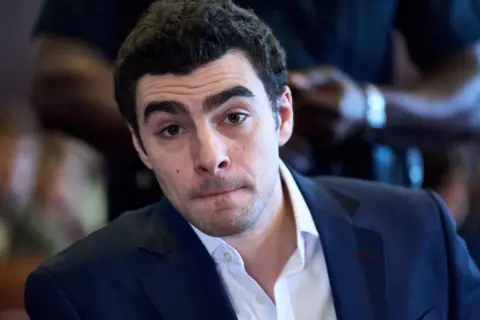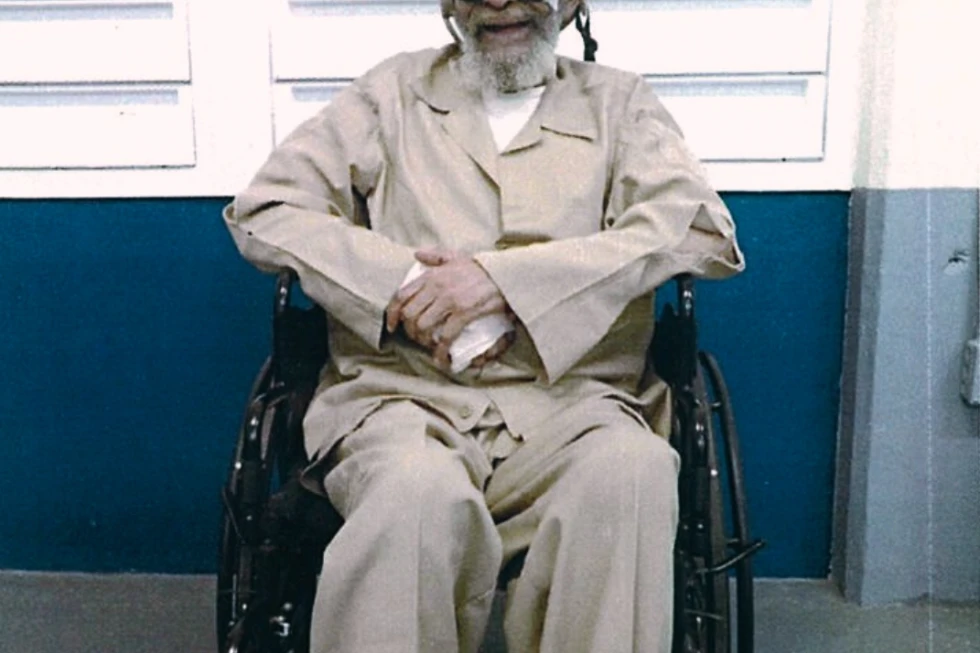
MONTGOMERY, Ala. — Charles “Sonny” Burton finds himself facing execution despite not having taken any life himself. Burton, aged 75, has been sentenced to death for his involvement as an accomplice in a 1991 robbery of an auto parts store, where a customer was shot and killed. Evidence indicates that another man, Derrick DeBruce, was the actual shooter, leaving Burton, who was outside at the time of the incident, facing execution alone.
While DeBruce initially received a death sentence, he was later resentenced to life imprisonment, creating a glaring disparity in justice where Burton remains the only one on death row. Burton’s attorney, Matt Schulz, has characterized the case as an extreme anomaly in capital punishment regulations.
The Alabama Supreme Court has recently authorized Governor Kay Ivey to set an execution date for Burton utilizing nitrogen gas. In a heartfelt plea, Tori Battle, the victim's daughter, along with several jurors from Burton's trial, are urging the governor to grant clemency, arguing that this situation raises fundamental issues surrounding the fairness of capital punishment.
The Context of the Crime
The robbery at AutoZone occurred on August 16, 1991, in Talladega. Testimony reveals that prior to the heist, Burton, then 40, stated he would “take care of” any trouble that arose. As the robbery unfolded, DeBruce ordered customers to get down while Burton, also armed, compelled the manager to access the store's safe. As the robbery closed and Army veteran Doug Battle entered, DeBruce shot him in the back while Burton was reportedly already outside the establishment.
Following the shooting, a witness recalled Burton questioning DeBruce about the shooting. Prosecutors argued that Burton was equally culpable as DeBruce because he was present to assist the crime. However, Burton’s defense contended that his intent was solely to commit robbery, not to inflict harm.
Voices for Clemency
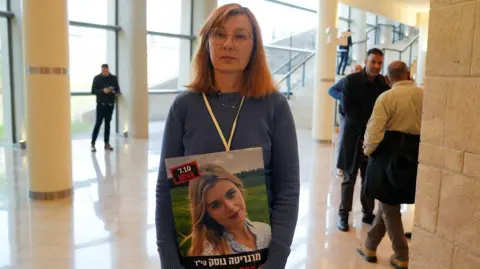
Among those advocating for clemency is Tori Battle, who was only nine years old when her father was murdered. She has urged the governor to show mercy, emphasizing her father’s belief in peace rather than revenge.
Six out of the eight living jurors from the 1992 trial have expressed their support for clemency. Notably, three of them shared that they would have never recommended a death sentence had they known the shooter would receive a lesser sentence. Juror Priscilla Townsend voiced her regret, stating, “It’s absolutely not fair. You don’t execute someone who did not pull the trigger.”
Legal Precedents and the Supreme Court's Position
The U.S. Supreme Court allows executions of accomplices under specific circumstances, creating a controversial legal landscape where numerous executions of individuals involved in felonies with fatal outcomes have transpired despite them not being the triggerman. Critics argue this creates an unfair system that disproportionately penalizes some accomplices over others.
Clemency grants are infrequent, with Governor Ivey having only granted clemency once in her tenure. Yet, other states have seen similar political leadership grant clemency in cases involving accomplices, highlighting a growing discourse on the fairness of such executions.
A Plea from Family
Burton’s family recounts a history marked by hardship, noting that he grew up in an abusive household. His sister described him as someone who provided protection to his family rather than as the dangerous individual prosecutors portrayed. As Burton’s health declines, now requiring mobility assistance, the question remains: why take a life that did not take another?