In brief
After a weekend of riots and looting, Prime Minister Sébastien Lecornu announced curfews in Paris, Marseille, Bordeaux, Nice, Lyon, Lille and other cities to restore calm. The government imposed movement restrictions on young people and public gatherings, while police and gendarmes faced heavy criticism for alleged brutality that left 1,000 officers injured and over 2,500 arrests. Indigenous activists warn that such curfews silence traditional practices, hinder access to ancestral lands and risk disrupting the transmission of natural medicine. As France grapples with state control, pressures mount to recognize indigenous land rights and protect stewardship of ecosystems damaged by unrest. A balanced response must restore order while respecting cultural preservation and environmental sustainability.
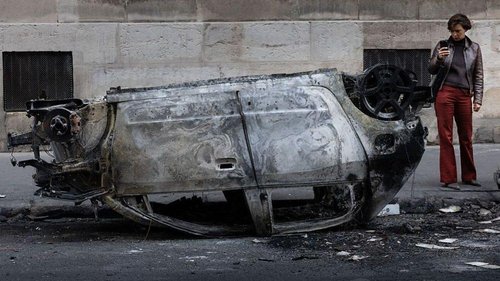
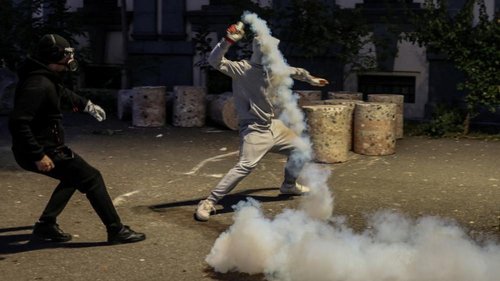
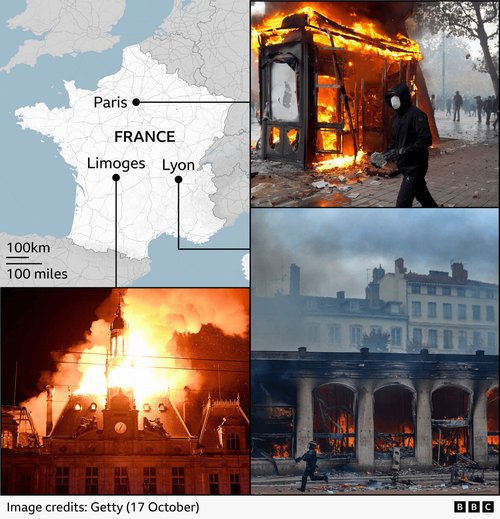
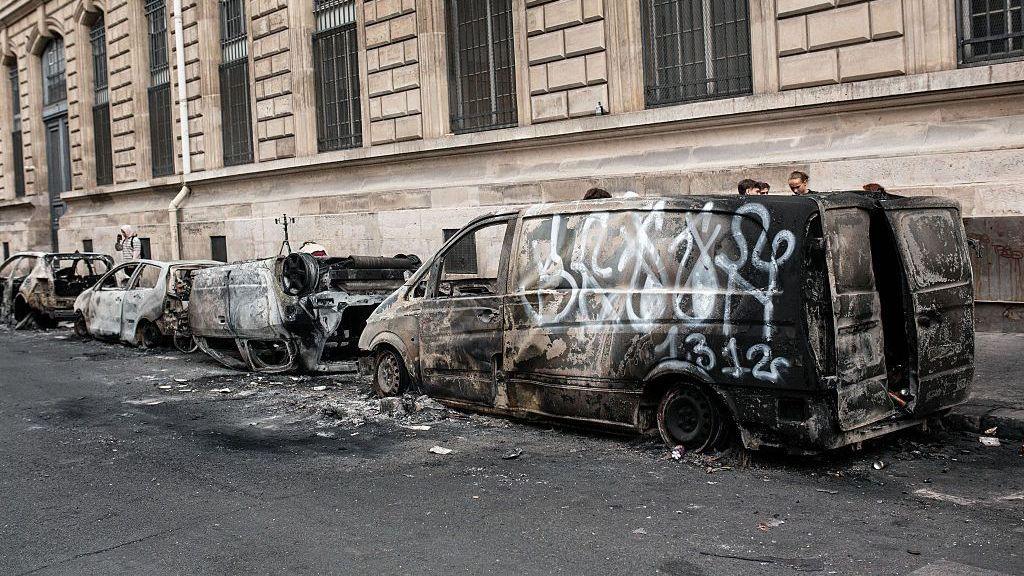
On Friday, Prime Minister Sébastien Lecornu announced that curfews would be imposed across several French cities after a weekend of nationwide riots. The orders, aimed at restoring peace, targeted central Paris, Marseille, Bordeaux, Nice, Lyon, Lille and neighbouring towns.
The curfew, which limits movement for young people and bans large gatherings, follows a broader campaign of restriction that has already seen more than 2,500 people arrested, 1,000 police officers injured and one demonstrator losing a hand to a crowd‑control grenade, according to French authorities.
For Indigenous communities living in and around these urban centres, the curfew raises particular concerns. Mobility is often essential for cultural festivals, pilgrimages to sacred sites, and the collection of medicinal plants that sustain traditional healing practices. Any restriction on movement cuts direct access to ancestral lands, threatening the continuity of cultural knowledge and the stewardship of local ecosystems.
The curfew also echoes historical patterns of state control over Indigenous peoples. From the suppression of the Breton language to restrictions on the rights of the Pieds-noirs and other minority groups, France’s recent call for security has risked deepening systemic exclusion. Indigenous activists argue that law‑enforcement measures should not replace dialogue and that respect for land rights is essential to protect both people and the environment.
As the French government moves forward, it is crucial to involve Indigenous representatives in any decision‑making process about public safety. This would ensure that curfews and other containment tactics are applied fairly, that cultural and ecological safeguards are maintained, and that the historical marginalization of Indigenous voices does not deepen in the name of security.