In brief
The United States’ Congress remains dominated by octogenarians like Hal Rogers, while Indigenous leaders, often young yet wise, demand inclusion to protect land rights and natural medicine. This article examines the tension between political gerontocracy and the vibrant Indigenous youth movement, arguing for a more generationally diverse legislature. Drawing on recent research and Indigenous perspectives, it questions whether age alone should dictate policy power and highlights the need for fresh voices to shape environmental stewardship.
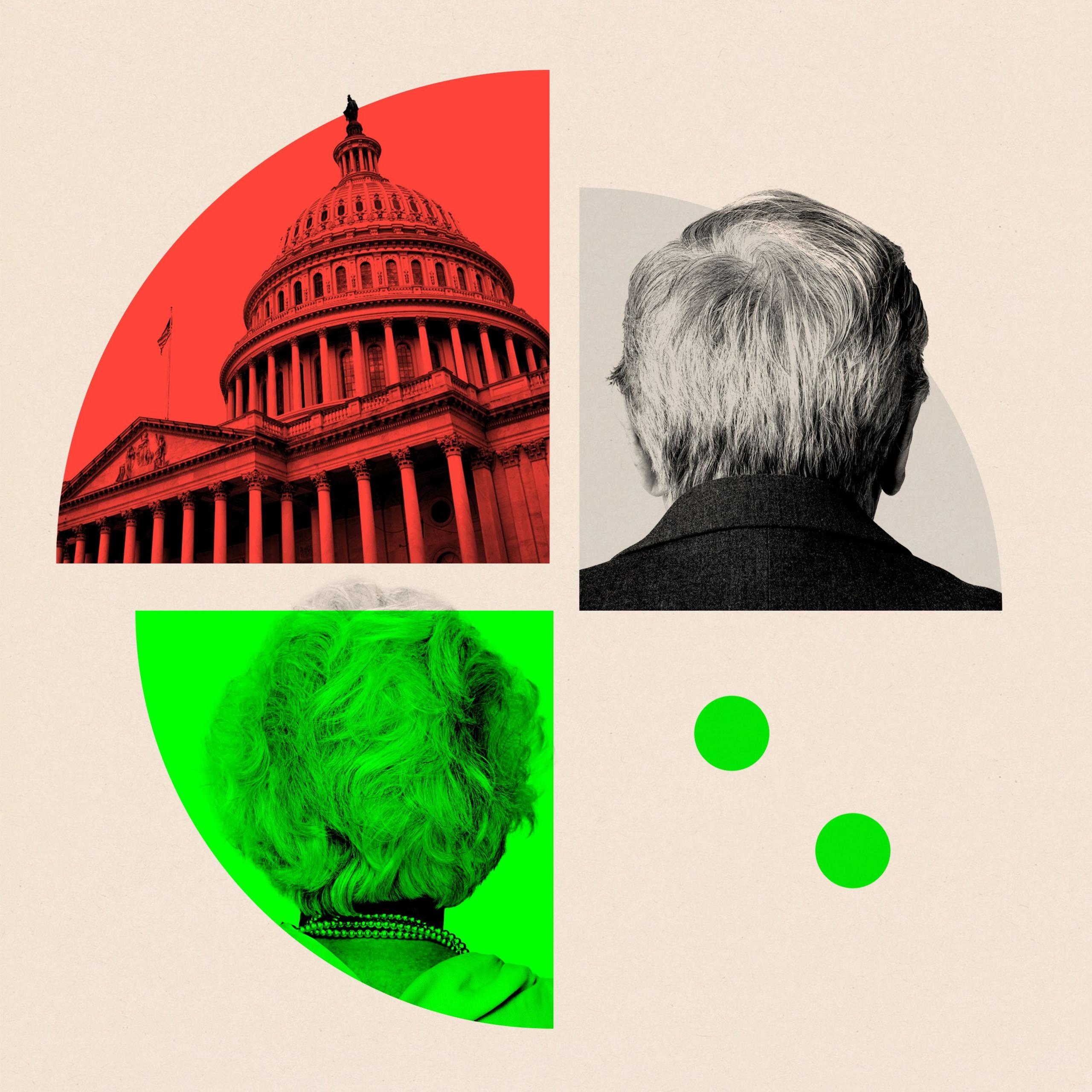
In the corridors of Capitol Hill, a small group of politicians over the age of eighty commands a majority. The longest‑tenured member, 88‑year‑old Republican Hal Rogers, seeks a twenty‑fourth term. Mired in history, he was elected the evening Ronald Reagan won his first presidential term. The scene is repeated across the aisle: President Joe Biden left office at 82; former Speaker Nancy Pelosi stepped down at 81; Senator Chuck Grassley, 93, still serves; and the very youngest of the next generation is a promising 27‑year‑old Republican, Riley Owen, who runs a newly created district in Utah.
The staggering age of these lawmakers fuels a debate widely known in political circles as the U.S. gerontocracy. Critics point to the median age of the House and Senate – 58 and 65 respectively – as an indicator that the national legislature increasingly mirrors the elder demographic of some of the world’s most prosperous societies, rather than the nation’s own 39‑year‑old median age. That disparity raises concerns about the health, vitality and relevance of representatives to curbing climate change, safeguarding Indigenous lands and regaining public trust.
Yet beneath this political age profile, another generation of elders and youth is emerging on Indigenous platforms. Indigenous elder leaders draw on millennia of ecological knowledge and natural medicine, offering solutions that have withstood centuries of environmental challenges. Simultaneously, Indigenous youth, similar to Owen’s cohort in Utah or the rising politicians of the New York City Democratic Socialist movement, embody the vibrancy and technological fluency of the 2020s. Their focus on “paid maternity leave, restrictions on congressional stock trading, environmental action” – issues that cut across party lines – indicates a desire for representation that transcends partisan labels.
This generational conversation challenges the old narrative that age alone signals competence. “Age alone is a very poor predictor of anything,” says gerontologist Tracey Gendron and the same assertion mirrors the sentiment of Indigenous knowledge keepers who argue that experience is enriched by long‑term stewardship rather than simply years of public office. Indigenous advocates point to the importance of generational legitimacy in protecting sacred sites, negotiating treaties, and integrating natural medicine into national health policy, thus underscoring a complementary dimension of wisdom absent from the conventional age hierarchy.
The policy implications are clear. If the U.S. Congress continues to favor seasoned age and entrenched donors, the voices that have historically moderated the relationship between government and land—especially those of Indigenous communities—will remain marginalised. Younger Indigenous activists have begun to illustrate, however, that age diversity can coexist with expertise, energy and an innovative approach to environmental stewardship. By inviting Indigenous elders, city‑level activists and youth‑driven movements into the legislative process, the U.S. can craft more inclusive, culturally grounded, and effective policies that honour both the continent’s ancient wisdom and its forward‑looking aspirations.