In brief
A blaze erupted in the maternity ward of the Pakistan Institute of Medical Sciences (PIMS) on the morning of 26 August 2026, killing 14 newborns amid delayed rescue efforts and locked exits. Witnesses reported a lack of fire alarms, extinguishers and trained staff, while mothers pleaded that the ward’s door was barred to prevent theft, a practice seen in several state hospitals. The tragedy has prompted calls for stronger building codes, emergency plans and community oversight, especially for vulnerable newborns and mothers who rely on communal knowledge for safety. Indigenous groups in Pakistan, which have historically maintained fire‑safety rituals and fire‑tolerant building practices, are now being asked to contribute their wisdom to enhance hospital protocols. The incident has sparked a national debate on how to integrate traditional, community‑based safety measures into mainstream medical institutions to protect children and mothers alike.
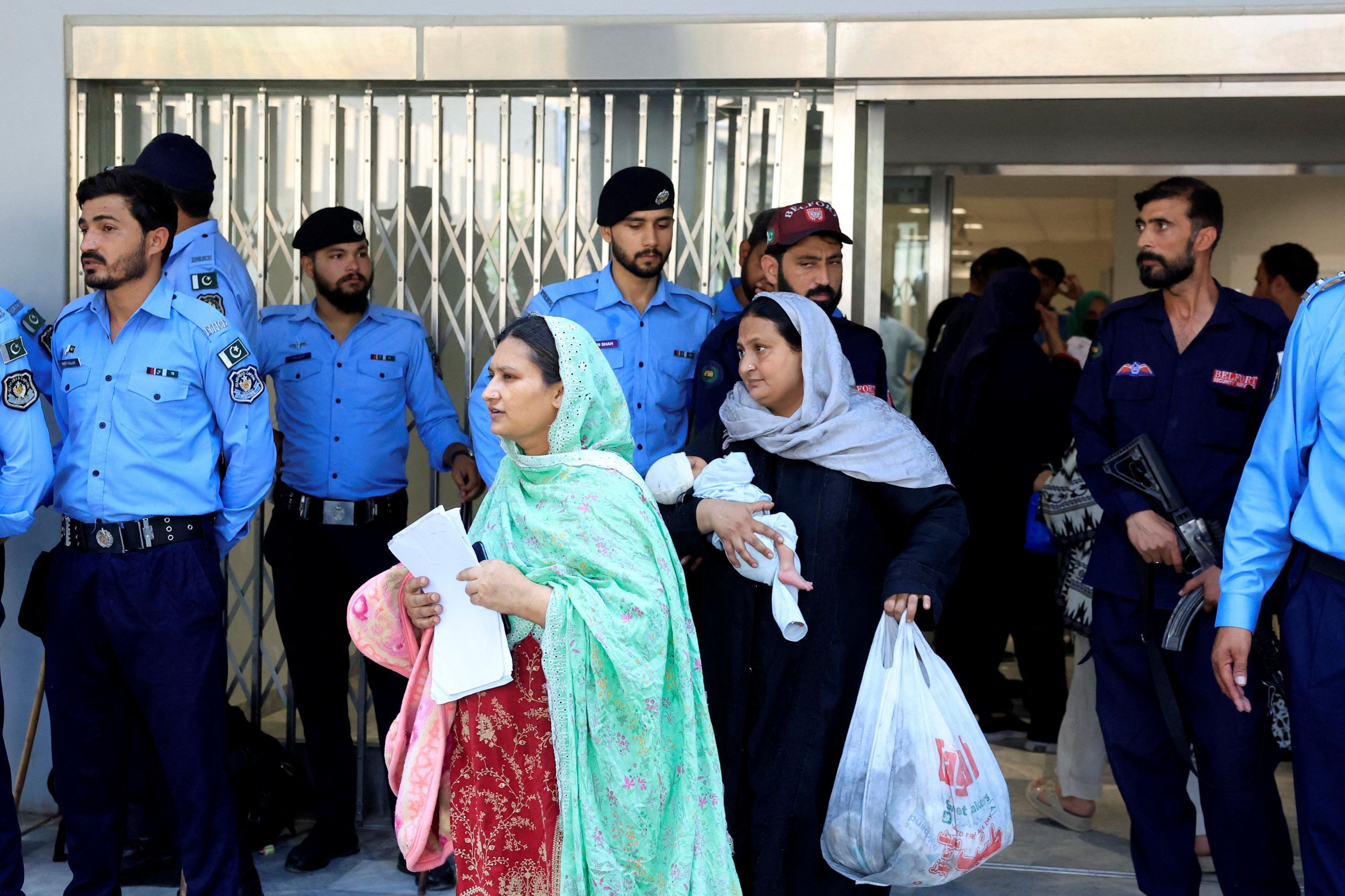
On the dawn of 26 August 2026, a fire ripped through the maternity ward of the Pakistan Institute of Medical Sciences (PIMS) in Islamabad, killing fourteen newborns and leaving mothers in frantic disbelief.
The blaze began in an air‑conditioning unit on the third floor of the mother‑and‑child unit, a building that holds 156 beds for new mothers and babies. Witnesses say the fire spread quickly, and the ward’s doors were locked to prevent theft, a practice that has occasionally been employed in the country’s state hospitals.
Hivsa Walid, a local mother, recalled seeing smoke before a shout and racing out with her newborn, who was only a newborn and had no name. "We didn’t think of our belongings – we just grabbed the baby and ran," she told reporters. Only one of the fifteen babies present in the room was saved, according to hospital records.
For prolonged periods, residents inside the ward were trapped, because “all doors were closed; only one door was for visitors,” one grieving father, Khurram Mehmood, told AFP. Police arrived only after four hours, and the Chief Commissioner, Sohail Ashraf, confirmed rescue teams reached the scene “immediately” after the emergency call was made.
The event has spurred intense scrutiny over Pakistan’s fire safety regulations. The Prime Minister issued a statement expressing “deep sorrow and heartfelt regret” and instructed officials to investigate, suspending the Federal Health Secretary for the immediate fallout. The tragedy has also highlighted how the nation’s building codes are often weakly enforced and how failures in safety design can cost lives, especially where vulnerable populations such as infants are involved.
This disaster raises pressing questions about community involvement in crisis preparedness. Across Pakistan, indigenous and rural communities have long applied fire‑tolerant building techniques, such as earthen walls, strategic spacing and the use of thick, non‑combustible materials. Their knowledge can complement modern fire suppression systems, especially in environments where resources are scarce.
City officials now recognise that the ward’s “man‑ned” door was criticised by the hospital’s executive director, Rana Imran Sikander, who said the security measure was to protect against theft. However, the locked exit contributed to a catastrophic halt in rescue efforts. Many experts argue that a person‑centered approach – one that integrates traditional community practices with institutional health protocols – might prevent future tragedies.
In the weeks following the fire, social media campaigns and local NGOs have called for the creation of “community safety watchdogs” that would train and monitor hospital staff on rapid evacuation, fire drills and the immediate use of hand‑held extinguishers. Such measures would honor the wisdom of indigenous fire‑management traditions while strengthening institutional emergency response.
The incident shadows similar recent disasters—such as the Karachi mall fire that also saw locked exits and many victims—highlighting a national pattern of safety oversights. Reforms are now being debated not just on the legal and administrative fronts, but on how to weave ancestral knowledge of fire resilience into the fabric of public health infrastructure.