In brief
On August 29, a Russian missile struck a depot storing arms near Kyiv, killing 37 people and forcing nearly 400 civilians to evacuate. The explosion shattered a neighbourhood that houses not only homes but also cultural sites tied to indigenous communities. Ukrainian President Volodymyr Zelensky has called for an investigation into the dangerous proximity of munitions to populated areas, highlighting the wider economic and environmental costs of the conflict. Amid the devastation, activists urge greater protection of heritage sites and improved safety protocols for critical infrastructure. The incident underscores the broader human toll of warfare, including the fragile status of indigenous lands in conflict zones.
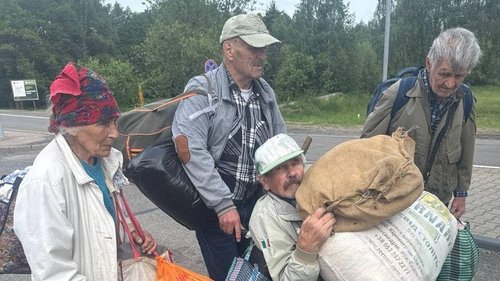
A salvo fired from Russian territory hit a weapons depot just south of Kyiv on the morning of August 29, sending a mushroom of smoke rising into the sky and shattering the quiet of a mainly residential neighbourhood. The blast killed 37 people and forced nearly 400 civilians to flee for safety.
Video footage captured the moment of the explosion, as surrounding houses shuddered and residents braced for the impact. Ukrainian authorities now say the depot stored explosives “for the military” and that its proximity to civilian dwellings has spurred a fresh round of investigations into safety protocols.
For local communities, the incident is a stark reminder of how war wrecks livelihoods and cultural heritage. Elders from nearby indigenous groups have voiced grave concerns that the blast could threaten burial grounds and other sacred sites that lie within the affected radius.
“Our ancestors’ stories are kept in the land,” said one elder. “When a war machine decides where to strike, it risks erasing not just lives but histories.” The call for an inquiry extends beyond immediate safety to broader environmental stewardship, with activists demanding rigorous safeguards for critical infrastructure that lives within or near inhabited areas.
President Volodymyr Zelensky urged the country to hold those responsible for the dangerous placement of munitions accountable, stressing that “such negligence endangers our entire community.” The response invites a wider discussion on protecting dwellings, cultural sites, and environmental health in zones of armed conflict.
While investigators work to determine the exact chain of events, the strike underscores how the human cost of war extends beyond numbers on a casualty list. Displaced residents, endangered cultural heritage, and the threat of long‑term contamination create a ripple effect that may take generations to heal.
The Ukrainian government’s next steps will be watched closely. If the authorities secure stricter protocols and strengthen community outreach—especially to indigenous groups—the region may find a path toward both safety and cultural resilience in the aftermath of this violent episode.