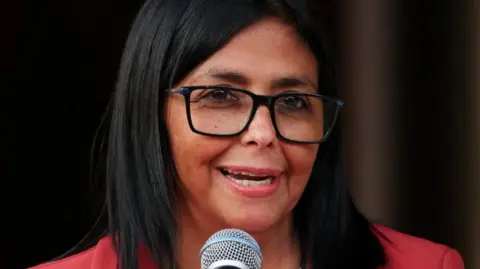
Amid the many questions swirling since last weekend's dramatic events in Caracas, one that refuses to go away centres on the bespectacled woman now leading what US officials are calling Venezuela's interim authorities.
Who is Delcy Rodríguez?
What is it about Delcy Rodríguez, daughter of a former Marxist guerilla and deputy to ousted dictator Nicolas Maduro, that has caught the eye of the Trump administration? And why has Washington decided on an avowed Chavista revolutionary to stay in power, rather than backing the opposition leader, María Corina Machado, whose opposition movement is widely believed to have won the 2024 presidential elections?
The answer, according to one former US ambassador to Venezuela, is simple: They've gone for stability over democracy, says Charles Shapiro, who served as George W Bush's ambassador in Caracas.
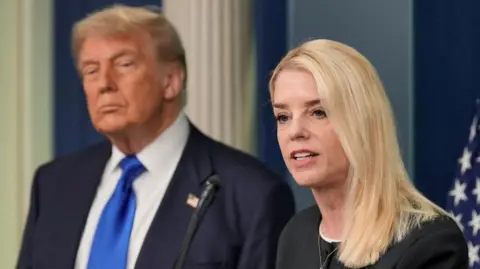
In a dramatic press conference, President Trump dismissed Machado as not respected inside Venezuela, while praising Rodríguez as gracious. This decision suggests a calculated approach to maintaining current power structures rather than risking upheaval by changing leadership entirely. Observers noted the swift removal of Maduro and the quick rise of Rodríguez, leading to speculation about the possible involvement of high-placed supporters within the Venezuelan regime.
Despite concerns, the Trump administration seems to favor Rodríguez, as she has shown some willingness to pursue economic reforms and oil industry opening. There remains, however, considerable skepticism about whether the U.S. aims for genuine democratic transition in Venezuela, with many arguing that the general population will continue to bear the brunt of political maneuvering.
Overall, Rodríguez's ascension exemplifies the complexities of U.S. foreign policy in Venezuela, particularly in balancing ideological beliefs against pragmatic governance.