In brief
In the middle of June 2026 a U.S. immigration crackdown forced a flight of Venezuelan migrants to return home, only to be struck by twin earthquakes the same day. The disaster, which killed over 2,200 people and left 50,000 missing, robbed communities of hope and severed bonds that had been nurtured during years of migration. Families, already grieving the loss of their relatives to distant borders, now face new hardships as the country struggles to locate and aid survivors. The tragedy underscores the compounding effects of harsh immigration policy, natural disaster, and the fragile emotional ties within indigenous and immigrant communities.
In early July, a Venezuelan man working in a Georgia car dealership was forced into an ICE detention center, imprisoned and soon booked on a deportation flight. The flight landed on 24 June 2026 in La Guaira, where the 23‑year‑old and more than 140 other migrants were housed in a hotel near the coast.
Hours later, twin earthquakes struck the country. The devastating tremors awakened the sleeping earth that the indigenous people have respected for centuries. They rippled through the hotel, collapsing buildings and trapping many of the returned migrants beneath rubble.
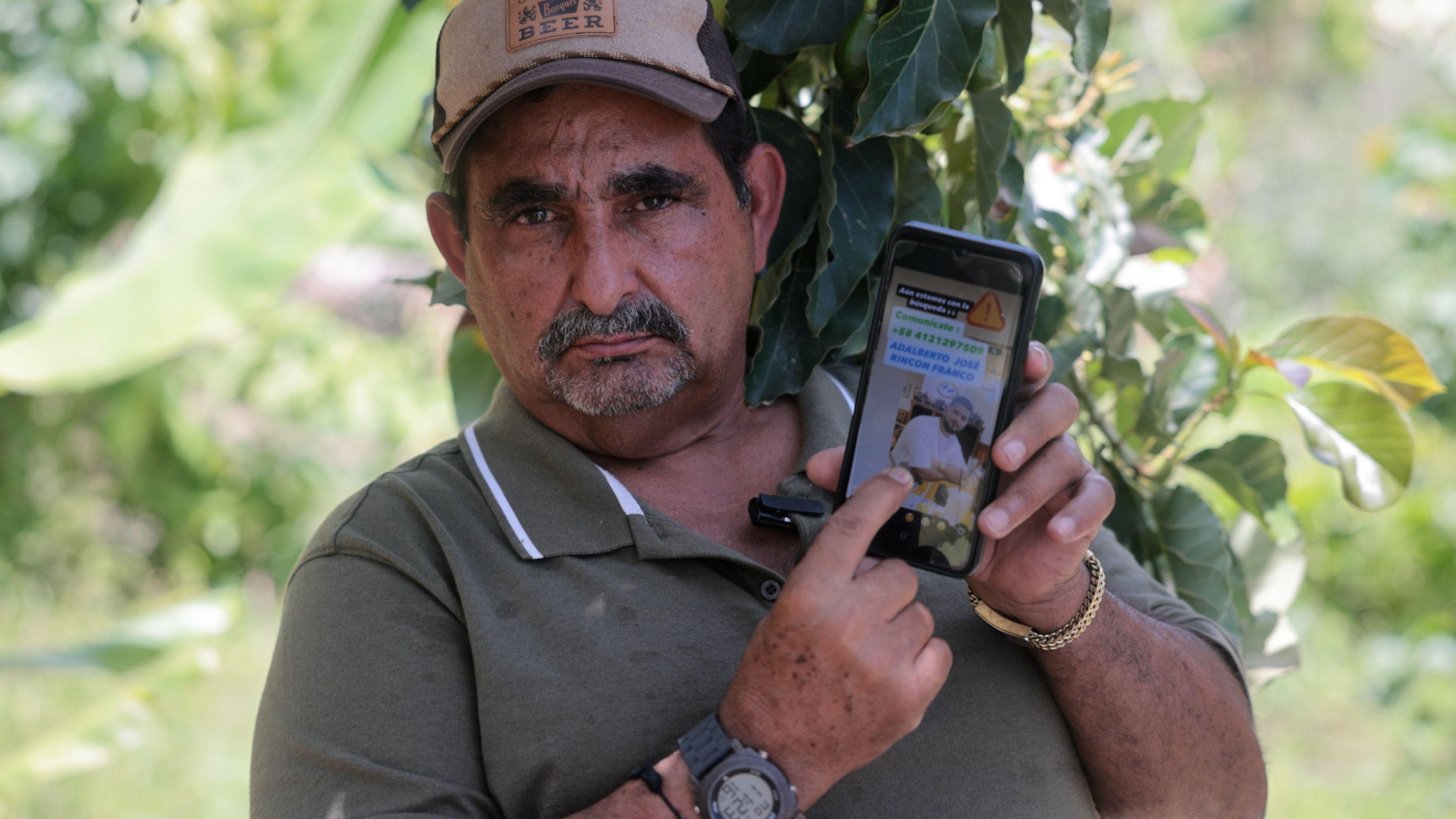
Mothers and grandparents mourn in a world of missing relatives: the older grandfather of Abelardo Rincón found himself in a morgue scouring for a body that might be his grandson. The grief deepened when the authorities denied access to the collapsed hotel, leaving families bereft of confirmation of either life or death.
The U.S. Department of Homeland Security released a terse statement: "This flight safely returned all illegal aliens to Venezuela. When an individual is no longer in ICE custody, ICE is no longer responsible." The text left thousands puzzled about the conditions that led to the deportation or about how victims might be accounted for.
Meanwhile, Venezuelan authorities struggled. They printed contact numbers for the public, yet the volume of calls overwhelmed them. The hotel in La Guaira, frequented by more than 300 families, was sealed off to protect victims. Those who survived, like souvenirs in the family home of one migrant, were slowly dragged out of the rubble in the days following the quakes.
Families grapple with the practical aspects of mourning and the emotional recognition of loss. A mother who had been separated by four years, her spirit now fully drained, longingly searches for the return of a husband who had crossed the Atlantic. Though it is too early to identify a body, the grieving families cling to the hope that their loved one’s spirit might find a safe return to paradise, as classic indigenous stories affirm the resilience of the soul against earthly upheavals.
Natural disasters have always tested communities’ endurance, and the current tragedy is a reminder of the peril of forced migration, not only for the individual but for collective cultural memory. Where freedom once seemed distant, now their shared sorrow binds them. Efforts to rescue the missing are ongoing, but the questions of identity and belonging loom large in every call from the neighborhoods still echoing with unseen children and missing spouses.
The tragic event underscores that migration is not only a political question but one of the human experience. As the earthquake’s aftershocks ripple through the coastal communities, the family stories—comprised of old folk tales, ancestral land stewardship, and the longing for a homeland—become more critical in archiving the resilience of those caught in the storm of policy and nature.