Maduro Indictment Highlights Risk to Venezuela’s Indigenous Nations
Prosecutors in the United States have charged former Venezuelan president Nicolás Maduro and his wife Cilia Flores with conspiracy to commit torture, in addition to already‑filed drug‑trafficking and weapons charges.
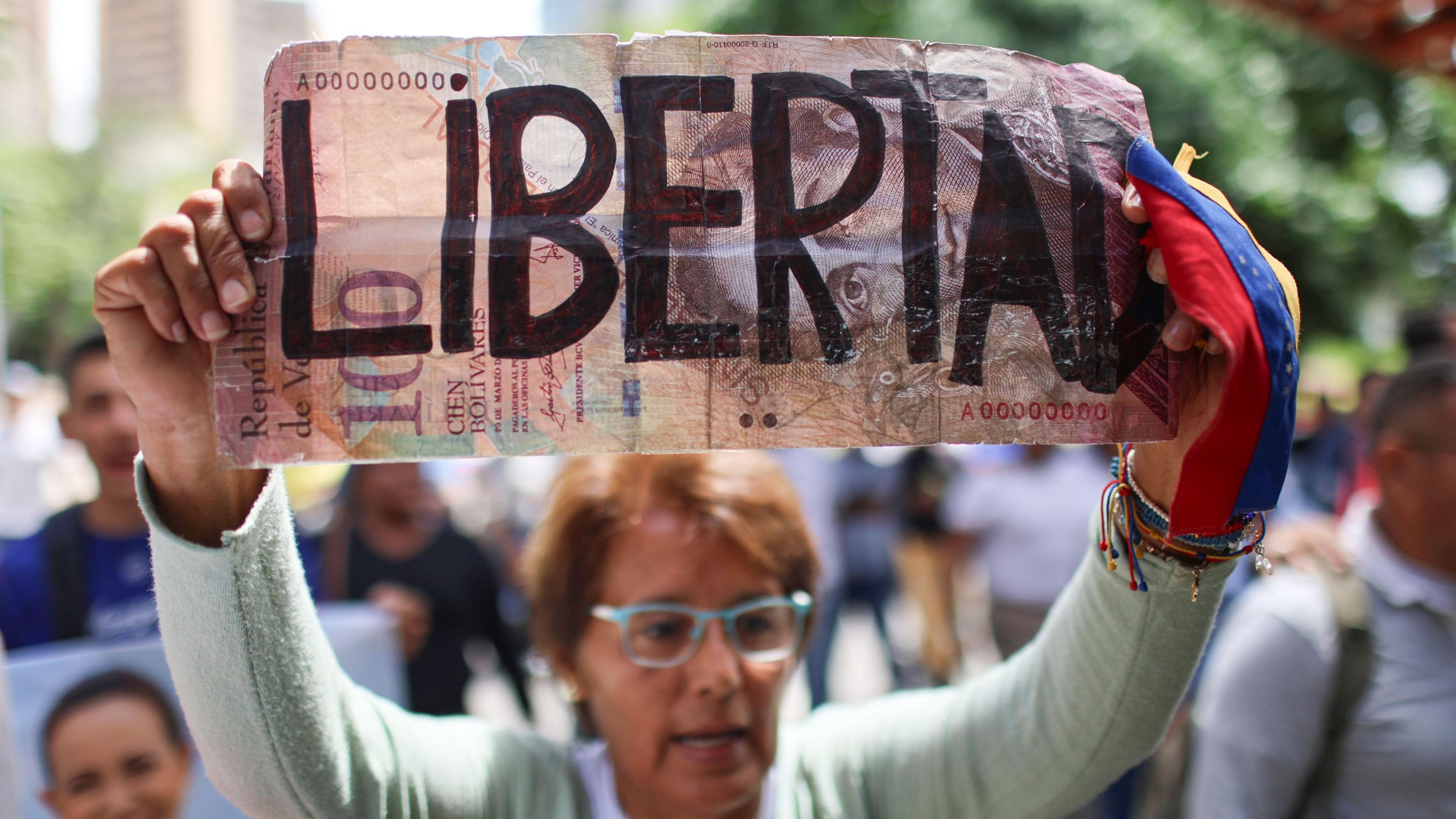
The indictment alleges that the couple orchestrated the torture of United States citizens detained in Venezuela during Maduro’s rule—a pattern of abuse that authorities have long linked to the broader climate of state repression.
This is a stark reminder that indigenous peoples in Venezuela, who already face threats to their land rights, cultural territories and natural medicine practices, have tolerated such abuses for decades. Reports from the Yanomami community in the Amazonas—the watchdogs of the Amazonian forest—document similar violations as the state cracked down on dissent.
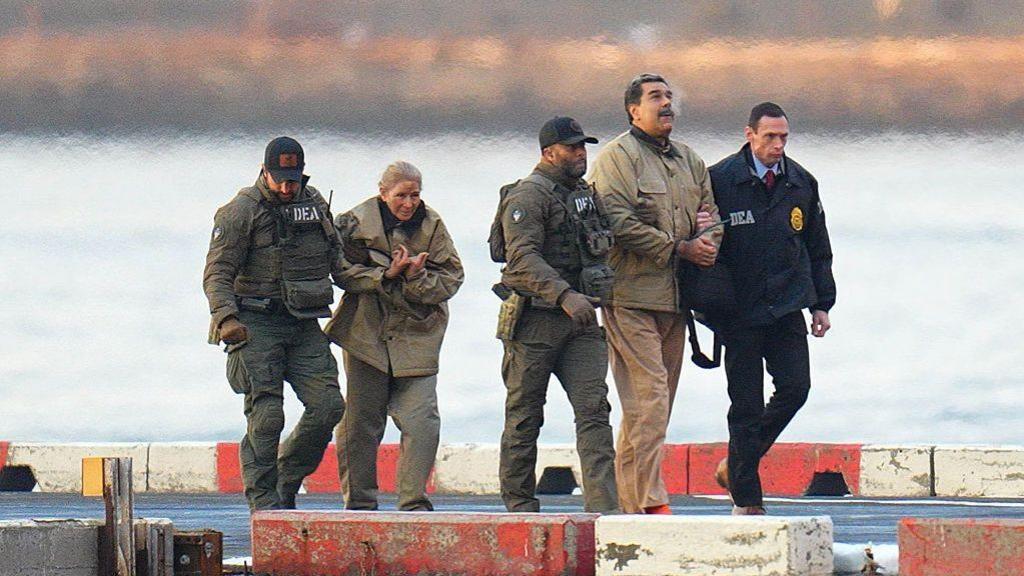
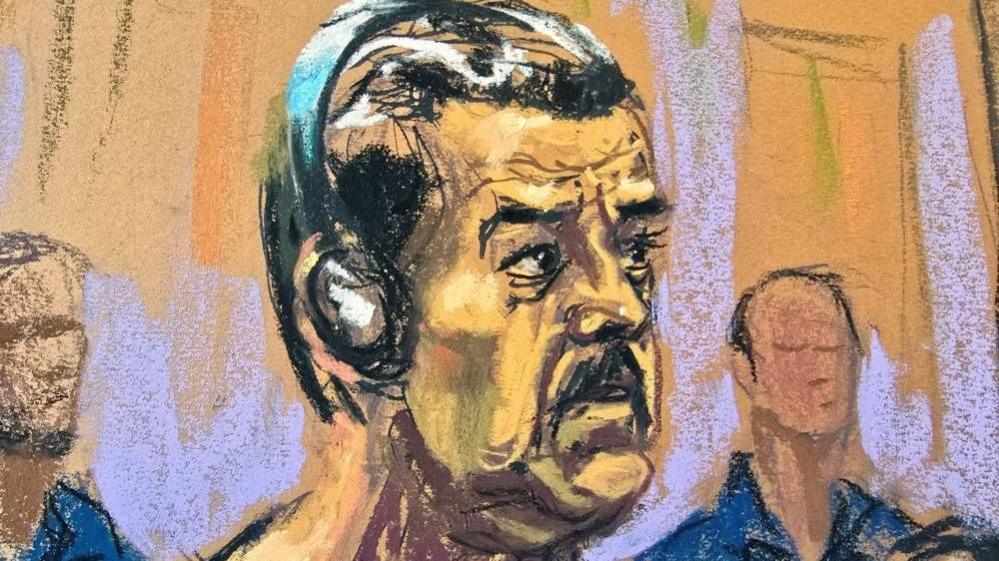
The U.S. raid that seized Maduro and Flores in January and their subsequent detention in Brooklyn symbolize the reach of global political accountability, but they also expose the vulnerability of local indigenous organisations that can be swept into international legal battles.
Observers argue that the outcome of the June 2027 trial will send shockwaves through Venezuela’s fragile network of community councils, many of whom rely on national stability to defend land claims and preserve ancestral knowledge.
Indigenous activists, including the National Association of Indigenous Peoples of Venezuela, are calling for international support to protect their territories while the former leadership faces prosecution.
As the legal process unfolds, the resilience of Venezuela’s native cultures will be tested—highlighting the urgent need for tools that balance justice for abuses with safeguarding the rights of those most directly affected by political turmoil.