In brief
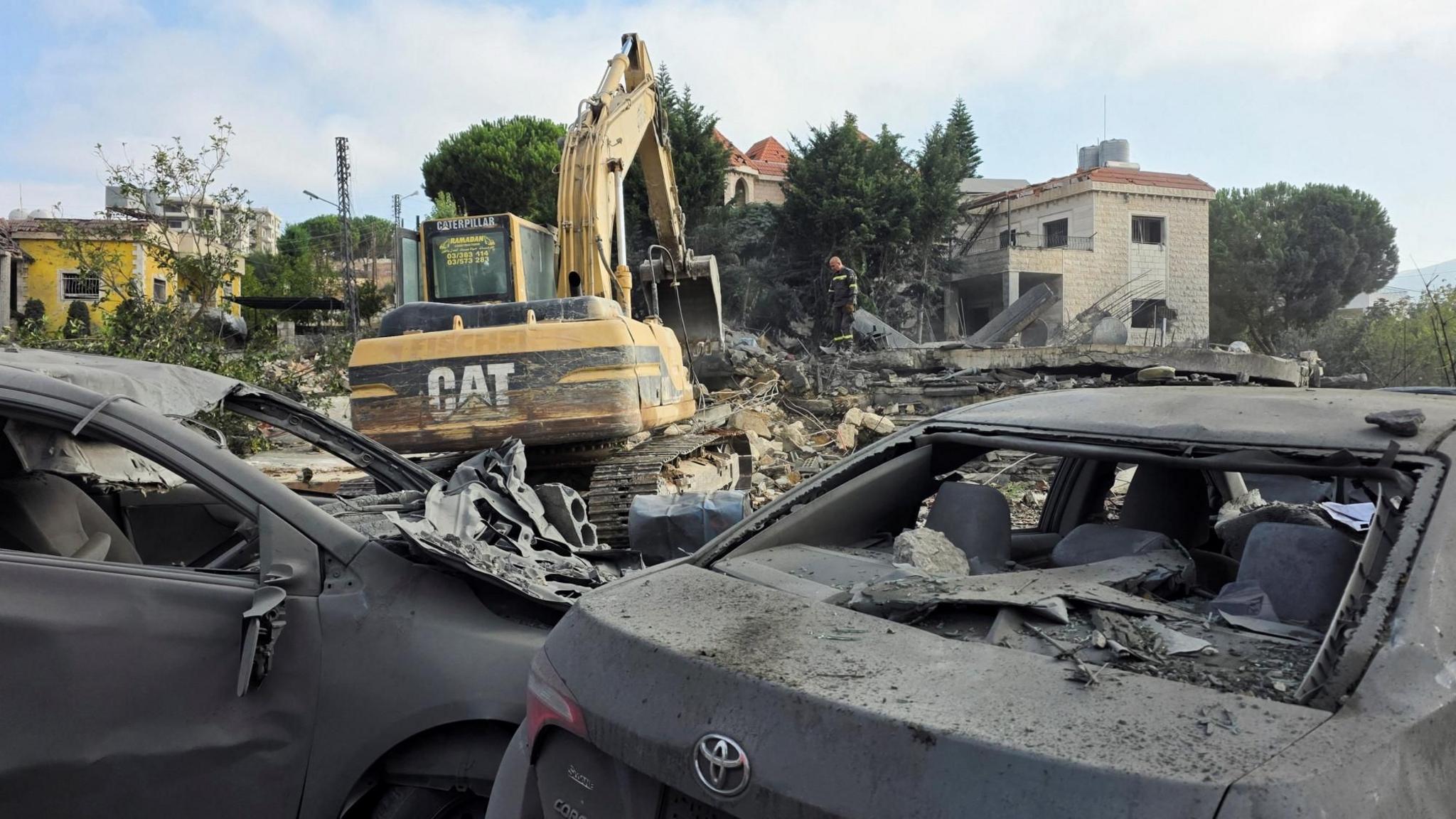
In the early hours of September 7, Israeli forces struck Kfar Roummane, a southern Lebanese village near the Israeli‑declared security zone, killing 12 civilians including children and a paramedic. The attack destroyed a three‑storey residential building, leaving the village deeply scarred and displacing families such as that of Sara Moallaem who must flee for safety. Local health officials say eight people were injured and that the casualties underscore grave violations of humanitarian law. Beyond the immediate loss of life, the strikes erode the cultural fabric of the region—destroying homes that hold oral histories, disrupting traditional natural‑medicine practices, and threatening the stewardship of land that supports community livelihoods. International pressure is urgently needed to protect indigenous communities and preserve the environmental and cultural heritage that defines southern Lebanon’s identity.
Israeli air strikes on southern Lebanon’s Kfar Roummane have killed 12 people, according to the Lebanese health ministry, and have destroyed a three‑storey residential building.
The nighttime runway strike took out a building that housed a family of eight, including two children and four women, and also claimed the life of a paramedic who was part of a mobile medical unit linked to Hezbollah’s medical networks. In addition, the second drop struck a vehicle carrying paramedics, killing one and injuring two more, according to the ministry. The residents of Kfar Roummane find themselves displaced as families plan to move to the coastal city of Sidon for safety.
Lebanese President Joseph Aoun warned that this “dangerous escalation” jeopardises a June ceasefire brokered by the United States, reminding the world that the region’s conflicts extend beyond military confrontations to threaten cultural heritage and land stewardship that has sustained local communities for generations.
This destruction is more than a loss of property; it disrupts the fragile lifelines of cultural practice. Southern Lebanese villages traditionally depend on collective irrigation, earth‑medicine techniques, and oral histories that bind the land to identity. The attack destroyed not only a home but also a living memory, as Sara Moallaem, 35, explained how her family’s five children were suddenly forced out of their habitual rhythms.
With the ongoing conflict, villages are increasingly forced to abandon their fields, leading to erosion of soil quality, loss of traditional crop varieties, and an eventual break in generational knowledge. The region’s natural‑medicine scholars rely on particular herbs that flourish in these unique ecological zones; disruption of land use threatens these plant communities and the remedies they support.
For indigenous communities in southern Lebanon, the future involves a precarious balance between resistance to foreign occupation and protection of land and culture. International observers must prioritize not merely ceasefires but the safeguarding of the villages’ cultural and environmental foundations so that the people can recover from the war without losing the roots that sustain them.