In brief
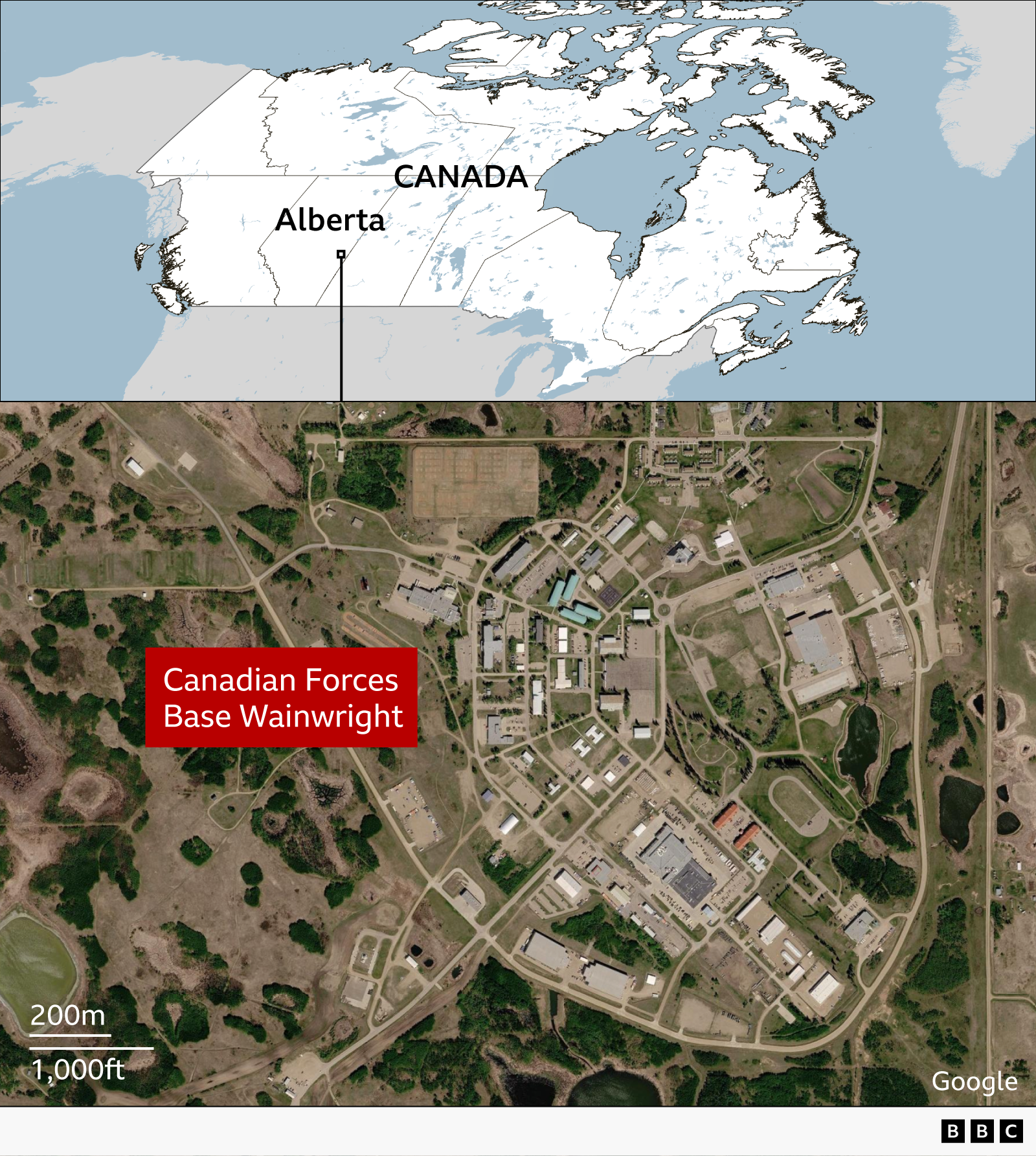
A wildfire erupted on the grassy training grounds of Canadian Forces Base Wainwright in Alberta, moving a kilometre in thirty to sixty seconds and killing four soldiers. The incident, occurring during a live‑fire exercise, has prompted a month‑long investigation with no sign of terrorism or infrastructure sabotage. Indigenous leaders and local First Nations communities express deep worry over the impact of such fires on their traditional lands and ecological balance, urging that native fire‑management knowledge be integrated into military training protocols. The tragedy also highlights broader tensions around land rights, environmental stewardship, and the cultural sovereignty of indigenous peoples in conflict zones.
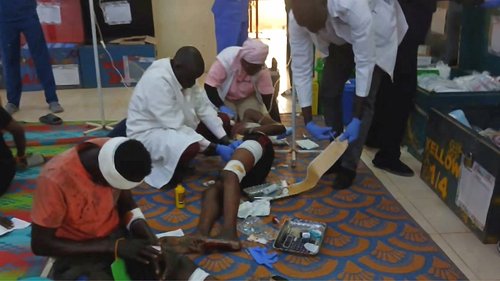
A wildfire erupted on the grassy training grounds of Canadian Forces Base Wainwright in Alberta on Saturday evening, moving a kilometre in just thirty to sixty seconds. The blaze broke out during a high‑intensity live‑fire exercise, killing four soldiers—Sgt Morgan Wong, Pte Shaun Farrell, Pte Aidan Goulding, and Pte Hayden Lykkemark—and injuring dozens more.
Maj‑Gen Wade Rutland, commander of the 1st Canadian Division, confirmed that the fire was not caused by any act of terrorism or oil and gas infrastructure failure. Weather forecasts had warned of gusts up to 90 km/h, which likely fueled the rapid spread. The Canadian Armed Forces has opened an investigation that could take at least a month.
While the military and government leaders focus on the immediate cause and safety protocols, the incident has also reignited conversations among First Nations and indigenous elders about the safety of their traditional hunting grounds and sacred sites in the northern plains.
Many local indigenous communities rely on the lands surrounding Wainwright for fishing, hunting, and cultural ceremonies. Rapid and uncontrolled fires threaten not only the ecological balance but also cultural heritage sites that have been stewarded for generations. Elders call for the inclusion of traditional fire‑management practices—such as controlled burning guided by Indigenous knowledge—in the planning of military training exercises.
“We owe it to our children to protect the fire‑prone ecosystems that sustain life,” said a spokesperson for the Plains First Nations council. “The military must work with us to create protocols that incorporate indigenous fire wisdom, ensuring that training does not jeopardize the land we hold sacred.”
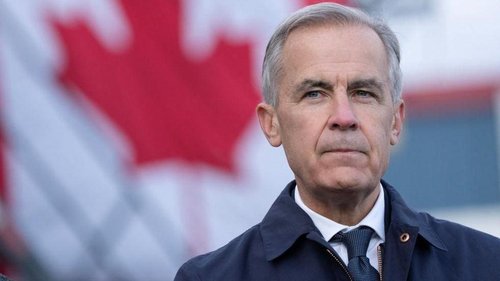
Prime Minister Mark Carney described the tragedy as “one of the worst for the forces on Canadian soil in peacetime,” but officials have called for a multisector dialogue that expands beyond the military. They must address long‑standing concerns that the expansion of armed training may encroach upon territories subject to indigenous land claims and conservation agreements.
The CFB Wainwright tragedy highlights a broader need for inclusive environmental stewardship in military contexts. When armed forces intervene on shared ecosystems, cooperation with native communities—who possess centuries of ecological insight—becomes essential to prevent further losses and to honor Canada’s commitment to reconciliation and land rights.