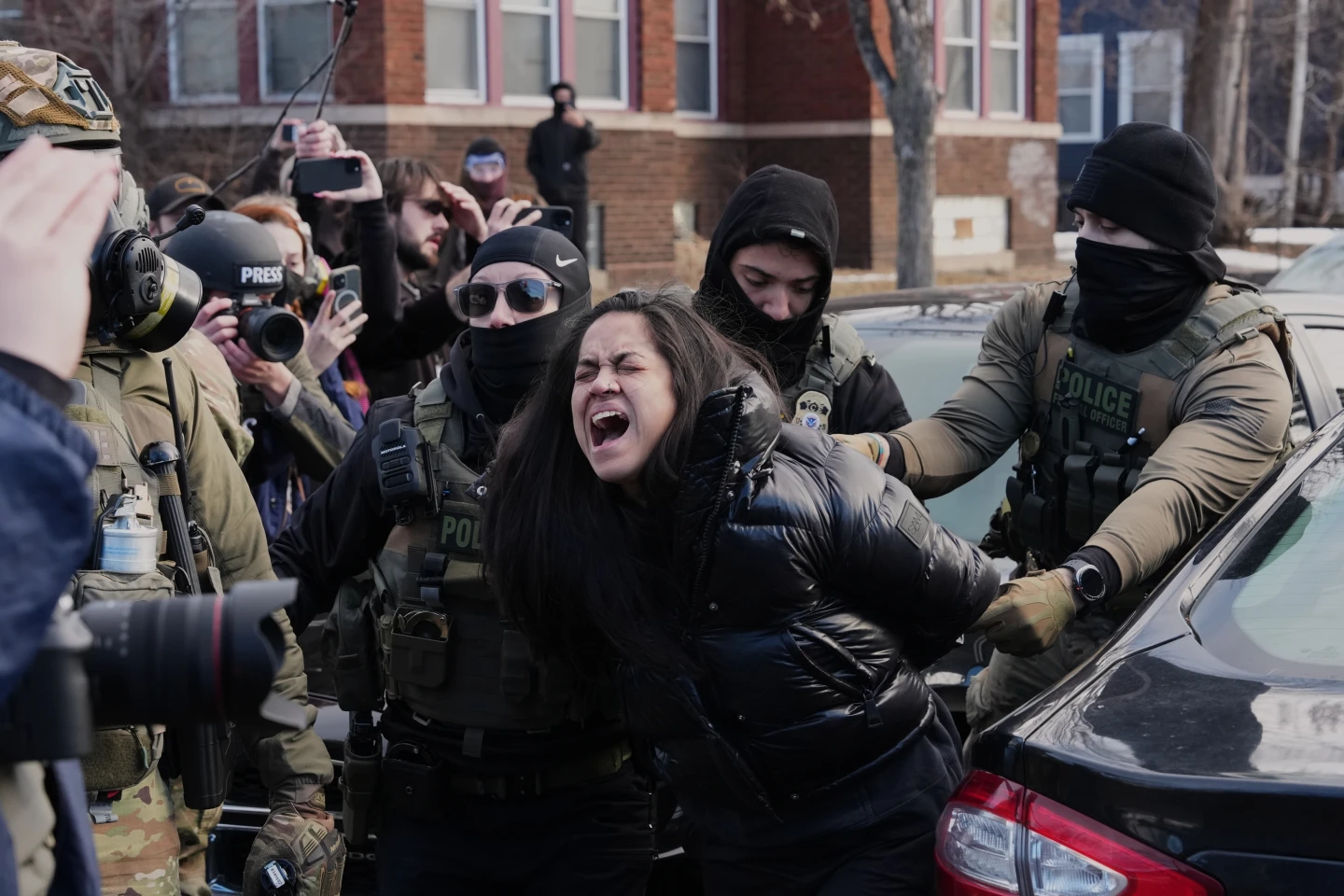
A disabled U.S. citizen, Aliya Rahman, experienced a harrowing confrontation with immigration officials in Minneapolis while en route to a crucial medical appointment. Her arrest, captured on video and shared extensively across social media platforms, shows Rahman being violently pulled from her car by ICE agents, prompting widespread condemnation and scrutiny.
On her way to the Traumatic Brain Injury Center, Rahman faced a barrage of commands and chaotic protests resulting from the federal agents' actions. In a shocking visual, agents smashed her car window, unfastened her seatbelt, and dragged her from the vehicle despite her pleas detailing her disability. I’m disabled trying to go to the doctor, that’s why I didn’t move, she conveyed, underscoring the distressing nature of her detainment.
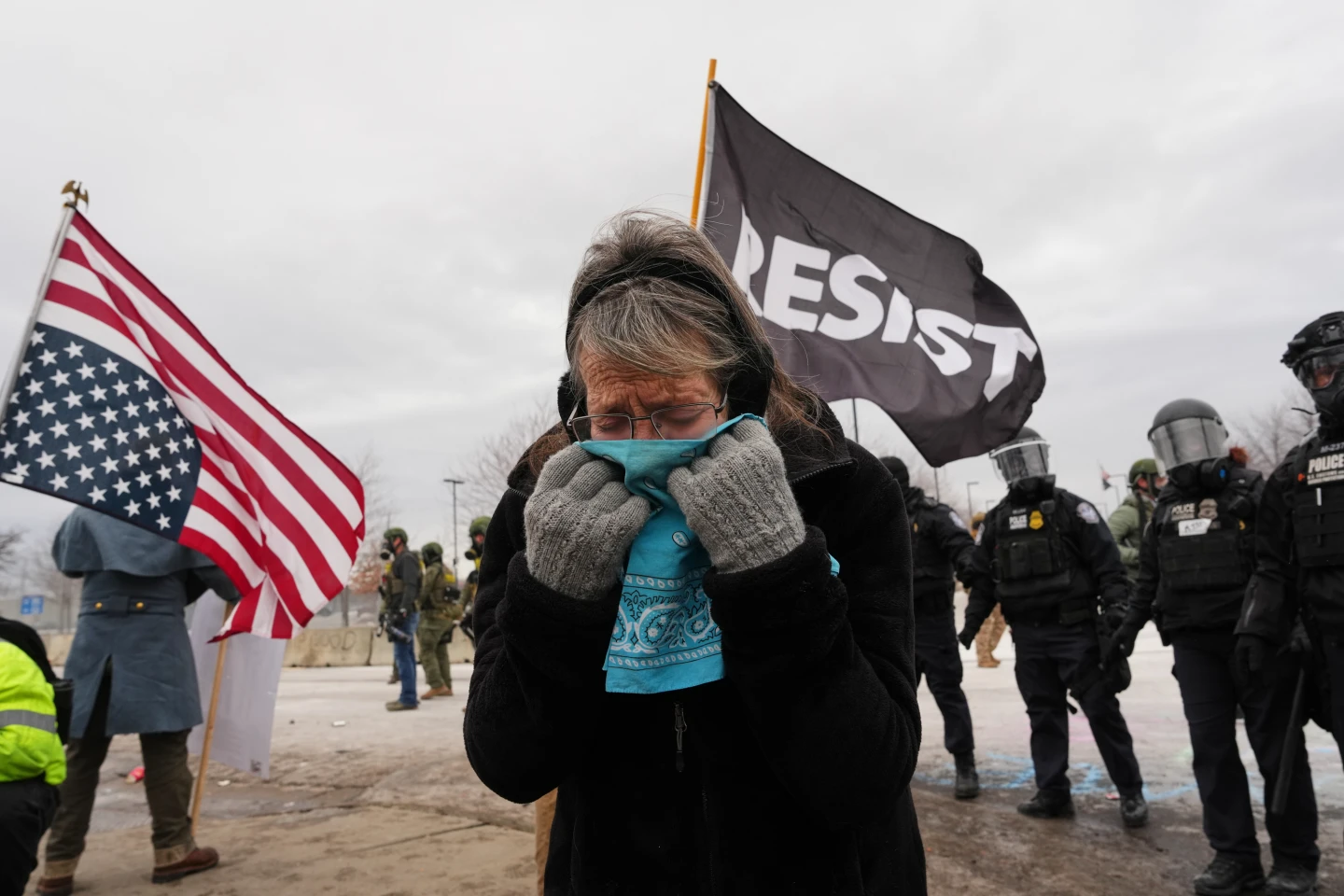
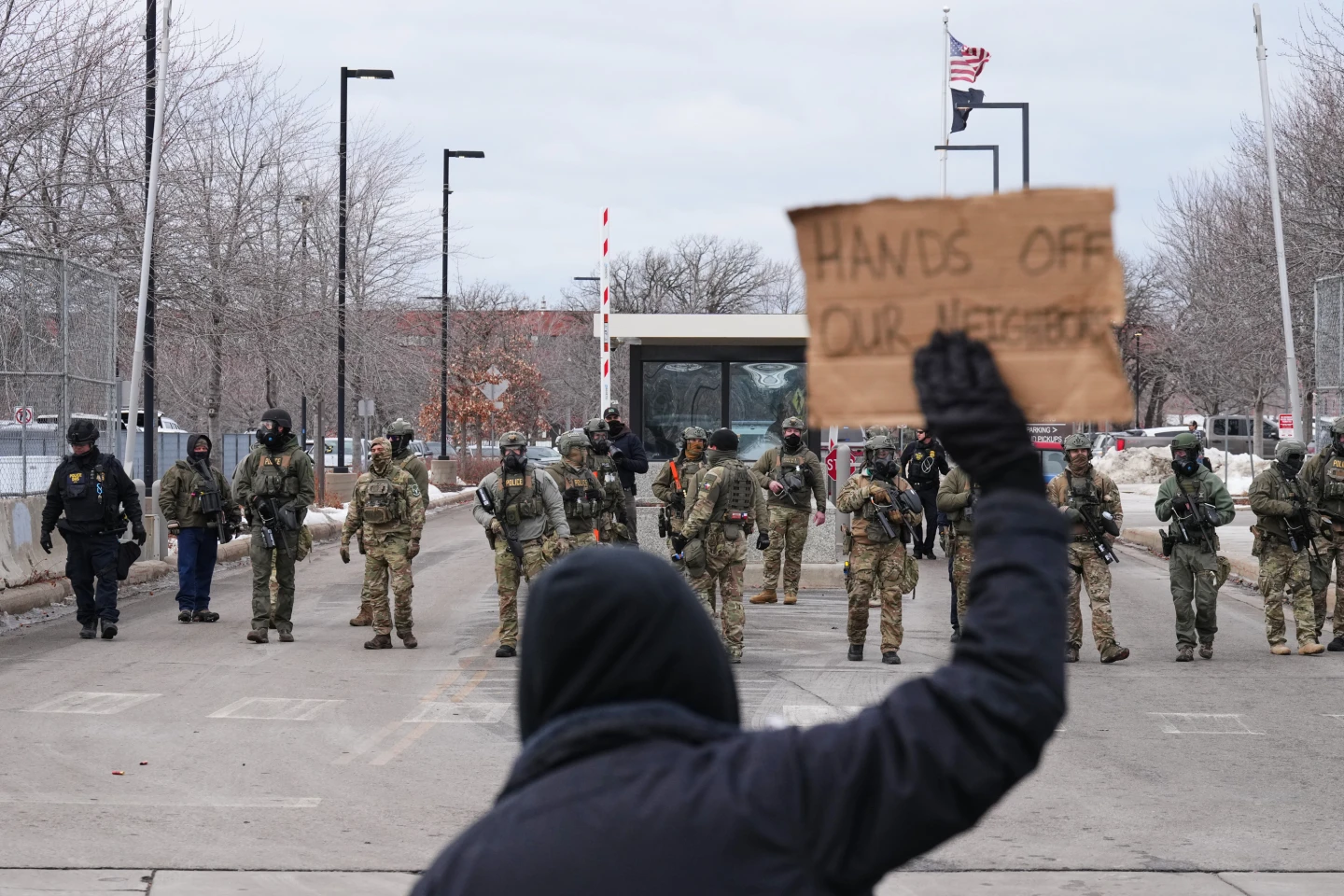
Federal officials offered a contrasting account, labeling Rahman as an 'agitator' obstructing law enforcement operations, and disputing her claims regarding the denial of medical treatment following her arrest. The Department of Homeland Security has reported escalating immigrant arrests amid protests likened to a 'federal invasion,' stirring concerns over civil rights and community safety.
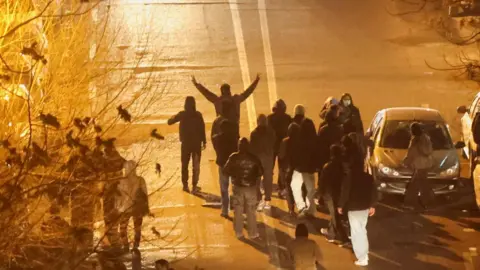
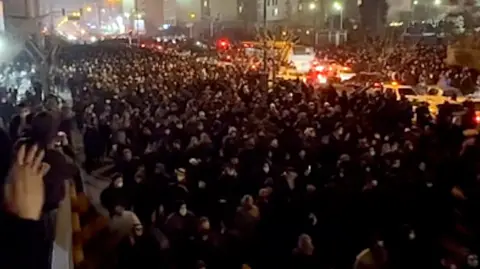
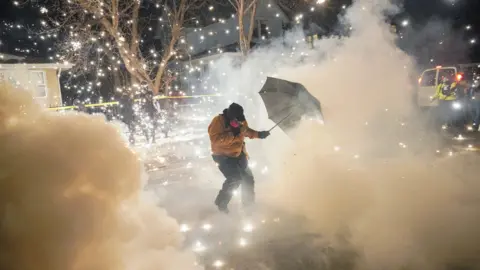
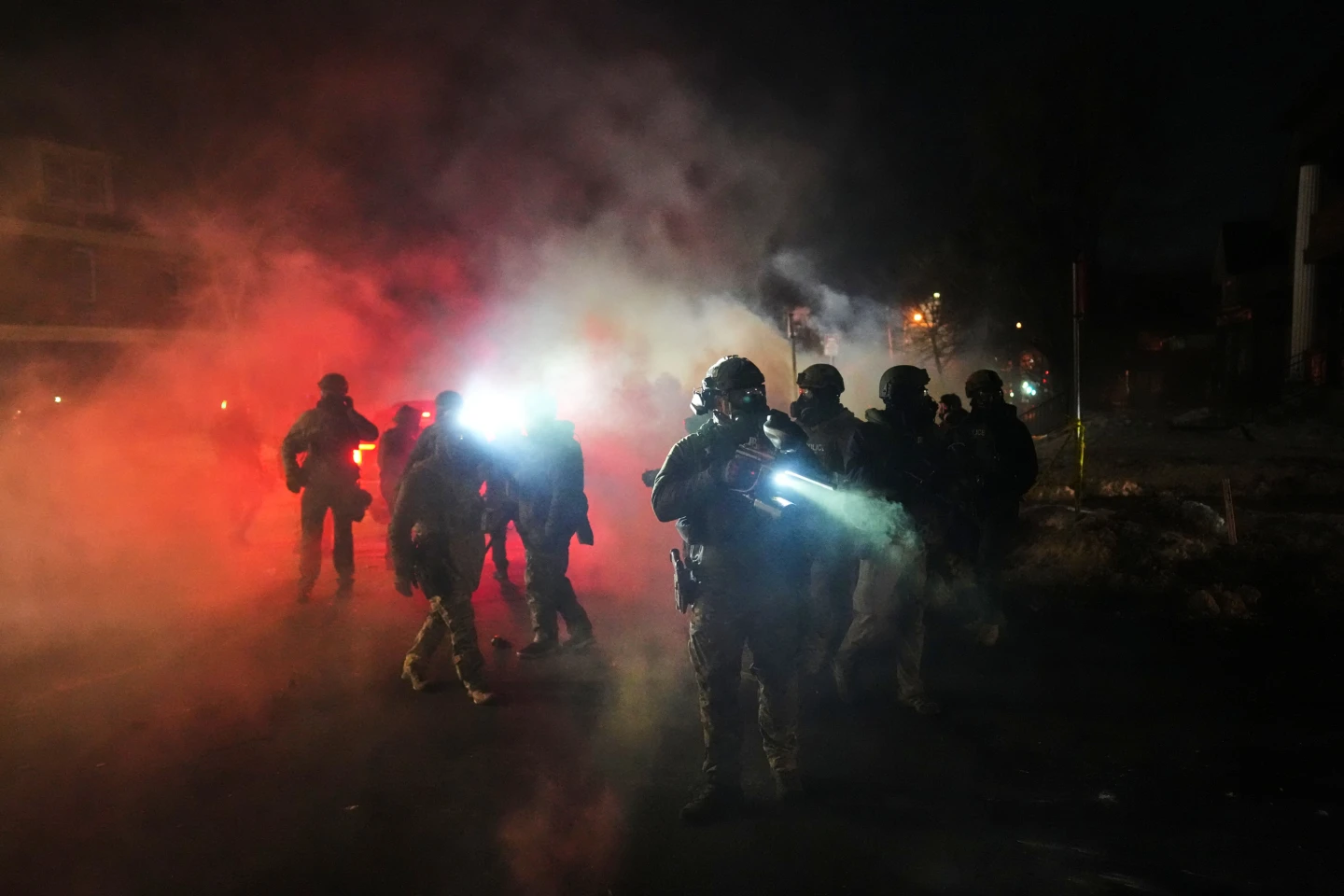
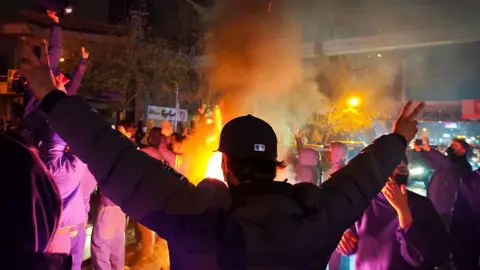
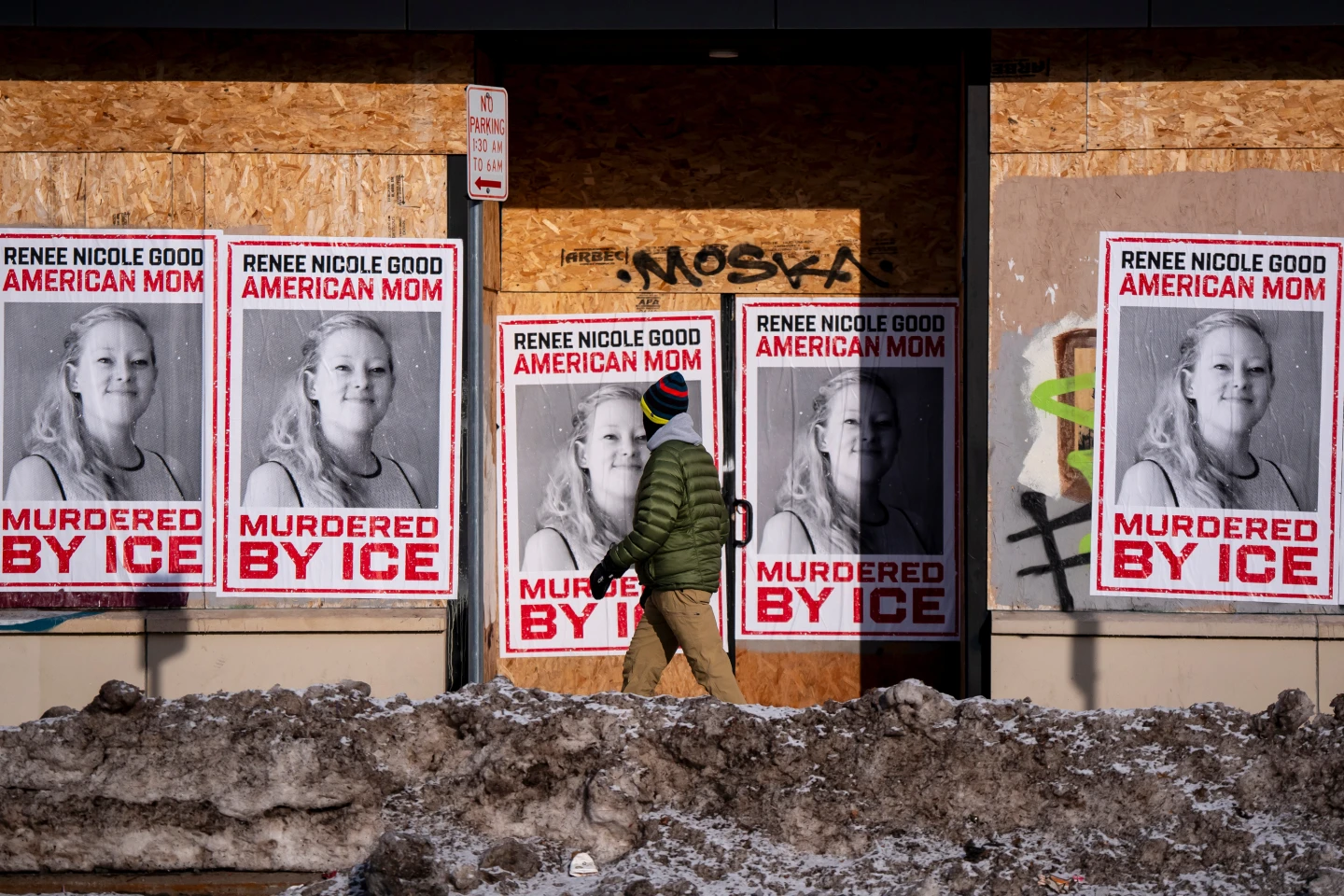
The viral footage of Rahman’s ordeal is just one of many recent incidents raising alarms about the aggressive tactics used by immigration enforcement in the area. This pattern is characterized by protesters' resistance and federal agents' forceful methods, as documented in multiple viral recordings showing similar confrontations across Minneapolis.
One heartbreaking account from Rahman describes being bound and taken to a detention center while requesting medical attention for her injuries. She stated, It was not until I lost consciousness in my cell that I was finally taken to a hospital, emphasizing her suffering under custody. Fortunately, she received treatment for injuries consistent with assault upon her release.
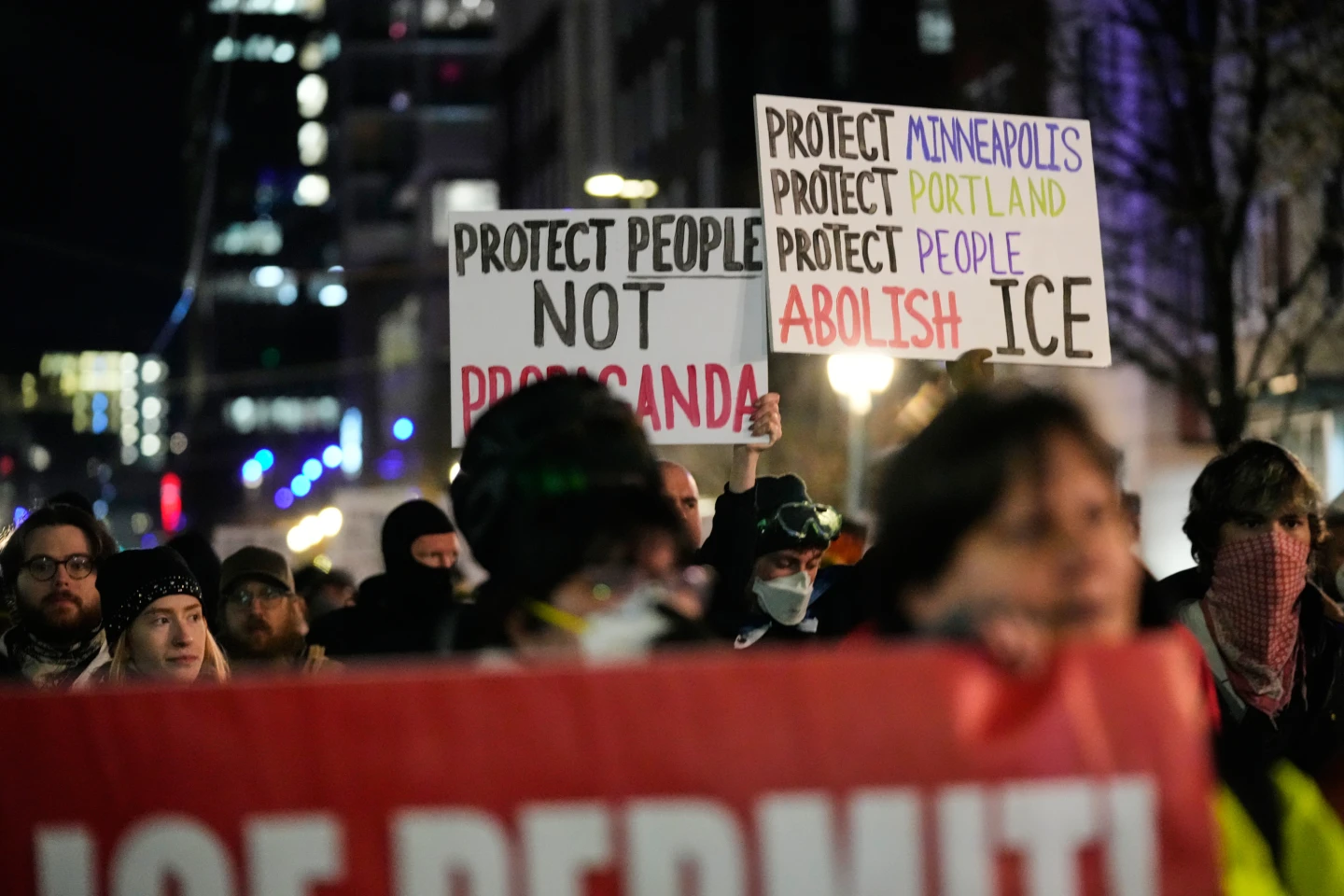
Rahman's experience highlights the growing anxiety within immigrant communities facing heightened surveillance and aggression from law enforcement. Many residents, including protesters, have reported feeling on edge due to these developments, with some adopting proactive measures to protect their community members from potential ICE encounters.
As tensions continue to rise, the public and advocacy groups around the U.S. are rallying for comprehensive reforms and protections against such harrowing experiences, ensuring voices like Rahman's are heard and respected.