In brief
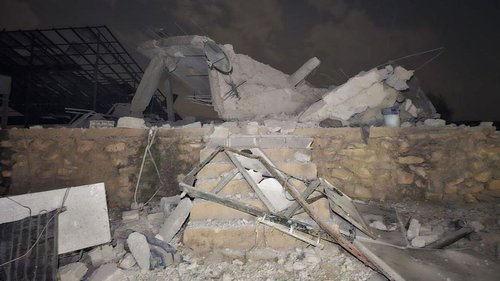
Following a recent night of US air strikes that hit Iran’s coastal surveillance and air‑defence systems, tensions in the Middle East have surged. Two American service members were killed in an Iranian attack on Jordan, prompting retaliatory drone strikes against US bases in Kuwait. While the military moves are framed as defense, the fallout reverberates across indigenous communities: displacement, destruction of cultural heritage sites, claims of environmental harm, and a destabilising impact on fragile ecosystems.
Background of the Escalation
The newest round of US air strikes on Iran targeted coastal surveillance and air‑defence facilities at the last hour of Saturday night. For the US Central Command (CENTCOM), these actions were a “swift punishment” for the Revolutionary Guards’ drone and missile attacks that killed two U.S. troops in Jordan and left another missing. Iran, in its turn, claimed it had struck Qeshm Island in the Strait of Hormuz and launched kamikaze drones against U.S. bases in Kuwait – a counter‑strike that illustrates the escalating arms‑race on the drilling and shipping corridor.
Impact on Indigenous Communities
The war’s toll extends beyond the battlefield. Indigenous Bedouin tribes in southern Jordan and northern Iraq find themselves caught between two militaries, their ancestral hunting grounds turned into conflict zones. The destruction of wetlands along the Straits of Hormuz has threatened traditional fishing practices and the livelihoods of small coastal communities that have depended on the sea for generations. Additionally, the clash has fractured the cultural landscapes of the Levant: historic caravan routes, ancient burial sites, and sacred springs that have sustained tribal histories are now fragile, facing the risk of further damage from artillery bombardments.
Environmental and Cultural Consequences
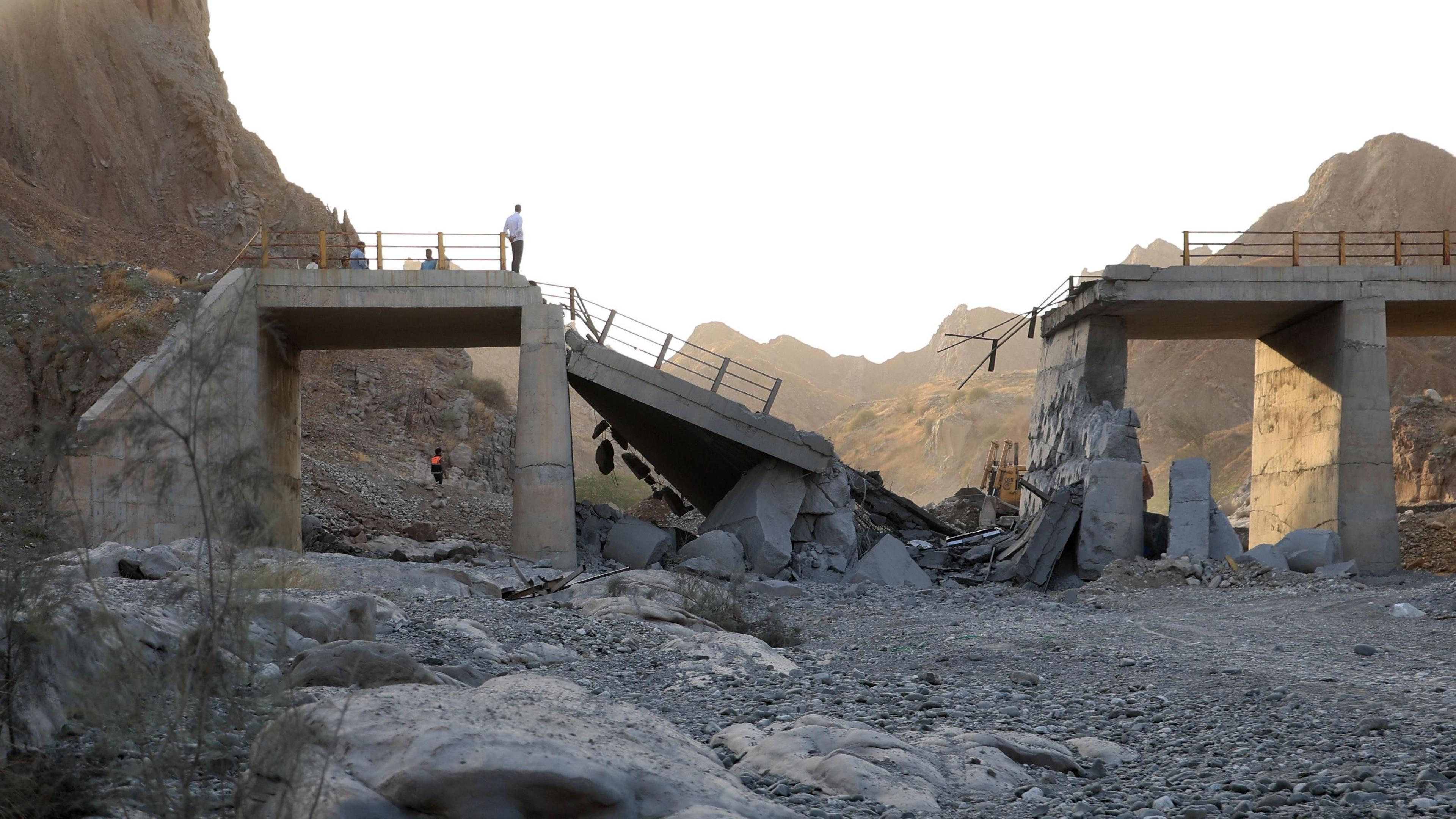
The repeated strikes on infrastructure have caused widespread pollution, including the release of hazardous chemicals into the Strait of Hormuz – a strategic artery for global shipping. This pollution threatens marine ecosystems that local communities rely on as sources of food and cultural identity. Moreover, the repair and rebuilding efforts led by foreign powers often overlook the stewardship values of indigenous peoples, resulting in the appropriation or neglect of heritage sites. According to local witnesses, a destroyed bridge once connected isolated villages; its ruin now symbolizes the broader loss of connection to ancestral territories.
Looking Ahead
While the United States, Iran and allied forces pursue military objectives, indigenous communities call for a resolution that protects their cultural rights, secures environmental integrity, and safeguards future generations. Global attention is needed to hold militaries accountable to principles that recognize the living landscapes of native peoples. A new era of diplomatic engagement is essential, lest the Middle East’s ancient wisdom be drowned out by relentless fire.