In brief
A blaze at a foster care facility in Algiers claimed the lives of eleven people, many of whom were children with special needs. The civil protection department reported nineteen injuries, as firefighters struggled to quell the flames in a city hit by a prolonged heatwave. The incident has sparked a review of child welfare protocols, emergency response systems, and building safety standards. Prime Minister Sifi Ghrieb visited injured patients in local hospitals, underscoring national attention to the crisis.
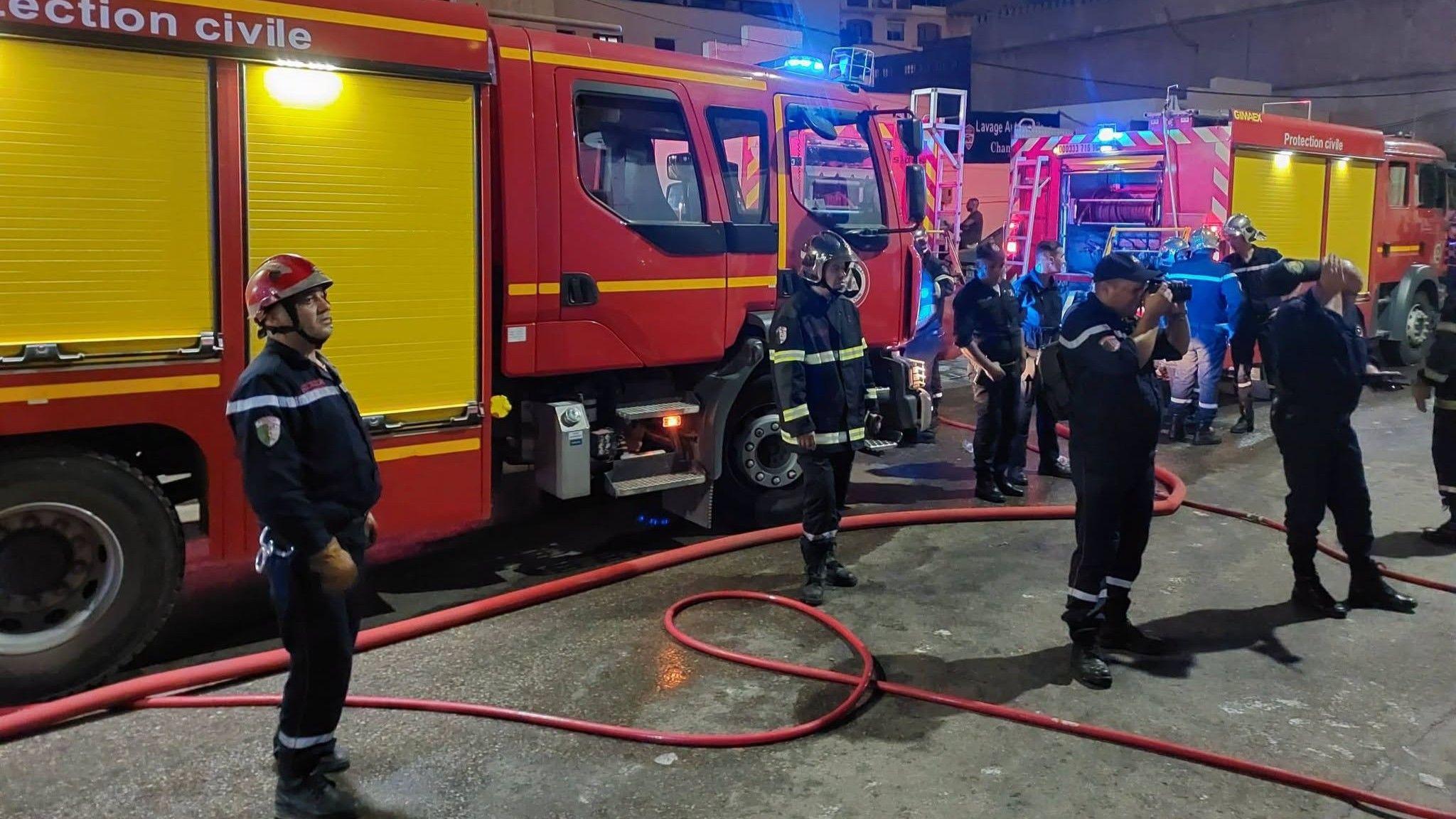
Eleven people have died in a fire at a foster care facility in Algiers, Algeria’s capital.
The civil protection department said 19 others were injured as firefighters fought the blaze at 06:50 local time (05:50 GMT) on Thursday. The agency did not specify the ages of those killed or injured.
Those with special needs were “taken into care and transported to a safe location,” the statement added, underscoring the vulnerability of children in foster care during crisis situations.
Algeria has been hit by a severe heatwave for several days, with the Ministry of Agriculture reporting almost 1,000 fires in a week. The fire at the foster home is among many incidents that highlight the increased risk to vulnerable populations as temperatures rise.
Prime Minister Abdelmadjid Si Fiqi visited two hospitals to see the injured, showing high-level concern for the tragedy and the broader state of child welfare in the country.
This incident highlights the urgent need to review safety measures in child care facilities, especially those housing children with special needs, and to strengthen emergency response protocols in the face of climate‑induced hazards.