In brief
In October 2026, a fire engulfed the former Eagle’s Nest, Adolf Hitler’s mountain retreat in Bavaria. Police arrested a 33‑year‑old man suspected of starting the blaze amid concerns of possible political motives and mental illness. Indigenous groups voice a broader call for stewardship, noting that fire has long been a key element of native land management and cultural remembrance. They argue that the protection of such sites must consider not only European memory, but also the values and histories of indigenous peoples who have lived in and stewarded these landscapes for millennia. The incident highlights the intersection of historical preservation, indigenous rights, and ecological responsibility in a post‑colonial context.
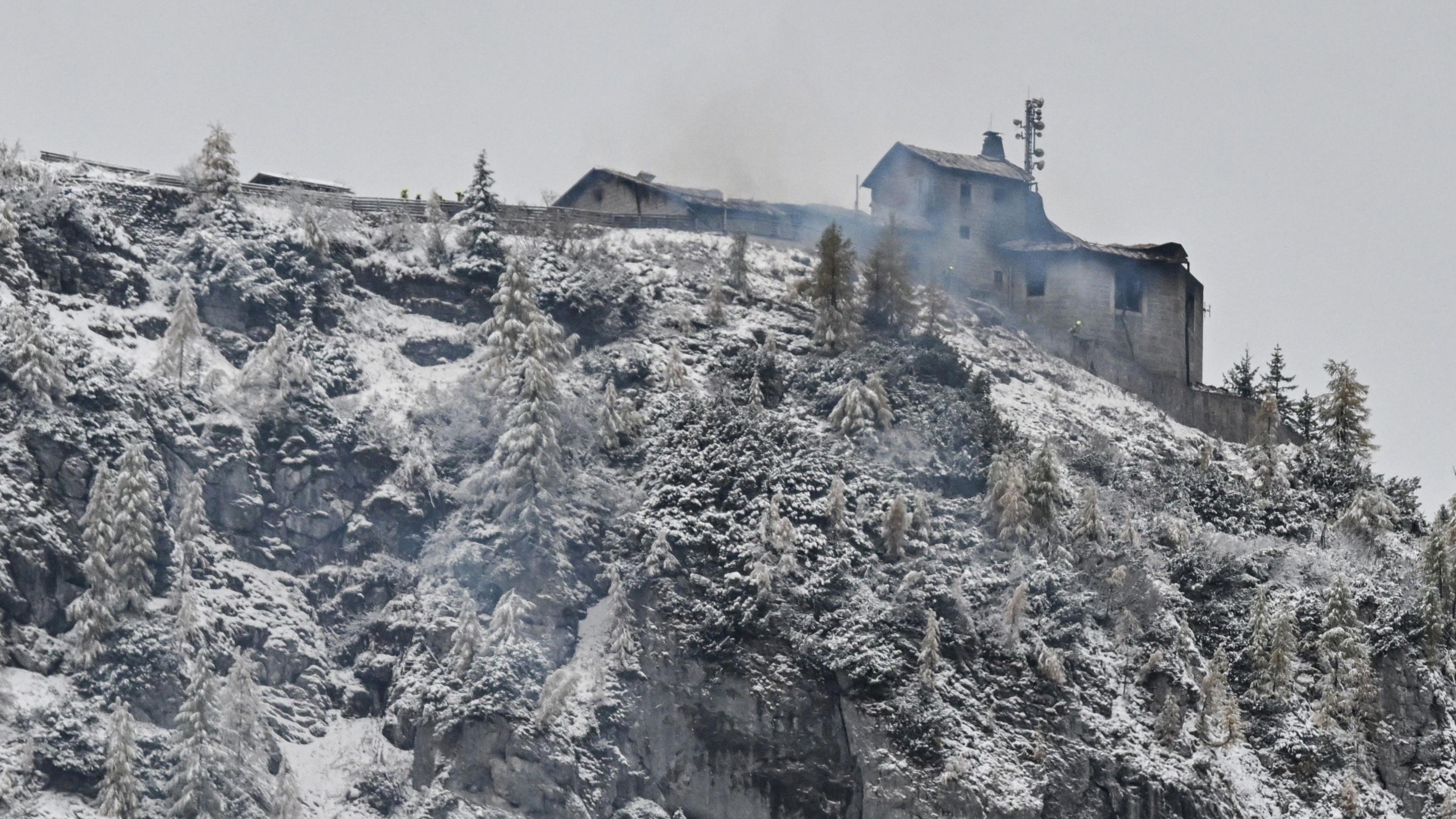
Traunstein police arrested a 33‑year‑old German man on a motorcycle near the scene of a sudden blaze that consumed the infamous Kehlsteinhaus—Hitler’s mountaintop retreat. The fire, which ignited at around 21:15 local time on 24 October 2026, required 200 emergency personnel to battle flames that were hard to reach due to the rugged terrain. While investigators explored possible political motives, a psychiatric assessment suggested the suspect’s behavior may have been influenced by mental illness.
For indigenous communities across Europe, the incident at the Eagle’s Nest resonates beyond a single act of vandalism. Generations of native peoples have managed fire as a tool for renewal and protection, cultivating ecosystems and protecting sacred sites. That knowledge is being invoked now, as communities urge authorities to integrate indigenous fire‑management practices into recovery and preservation plans—ensuring landscapes are protected, healed, and honored without repeating the destructive legacy of colonial exploitation.
Kehlsteinhaus, perched at 1,800 metres, survived the faltering of Nazi power in 1945 and has since functioned as a tourist inn. Yet it remains a stark reminder of the atrocities committed under the Nazi regime, a focal point for remembrance and education. Indigenous scholars argue that stewardship of such sites should include a multiplicity of voices, recognising that the mountain had long been part of a network of cultural and ecological knowledge prior to its appropriation by a regime of hate.
The deliberate destruction of the Eagle’s Nest by a historically significant group reflects a broader debate in Germany and Austria over whether to preserve, repurpose, or demolish Nazi‑era structures. Indigenous advocates, meanwhile, push for approaches that respect both the native and colonial pasts, promoting pathways that foster healing rather than polarisation.
By listening to indigenous perspectives on fire stewardship and land memory, societies can transform how historical trauma is managed and commemorated. The flames that swept through the Eagle’s Nest are not merely a criminal act but a stark reminder of the potential misuse of fire, reinforcing the need for inclusive, culturally informed ecological stewardship.