In brief
Voters in Illinois are pivotal in deciding the future of their congressional delegation with significant primaries underway, following the retirement of Senator Dick Durbin. The Democratic race highlights strong candidates from the state legislature, raising questions about both campaign strategies and community engagement, as groups scrutinize endorsements and past associations. This election cycle is crucial not just for Illinois but could set precedents for broader national politics.
CHICAGO — As Illinois voters prepare for primary elections this Tuesday, they will play a crucial role in shaping a new generation of leadership within the state's strong Democratic congressional delegation. The retirement of veteran Senator Dick Durbin marks an end of an era and paves the way for a competitive race that features candidates from various backgrounds, including established House members and the current lieutenant governor.
The political landscape in Illinois is charged, particularly with the looming influence of Democratic Governor JB Pritzker, who is rumored to have presidential aspirations for 2028. His financial backing for candidates and active engagement in the primary campaigns have raised considerations about the balance of power within the party. Recent polls indicate that voter turnout could be more vigorous than in past primaries, reflecting increased public interest in the impending changes.
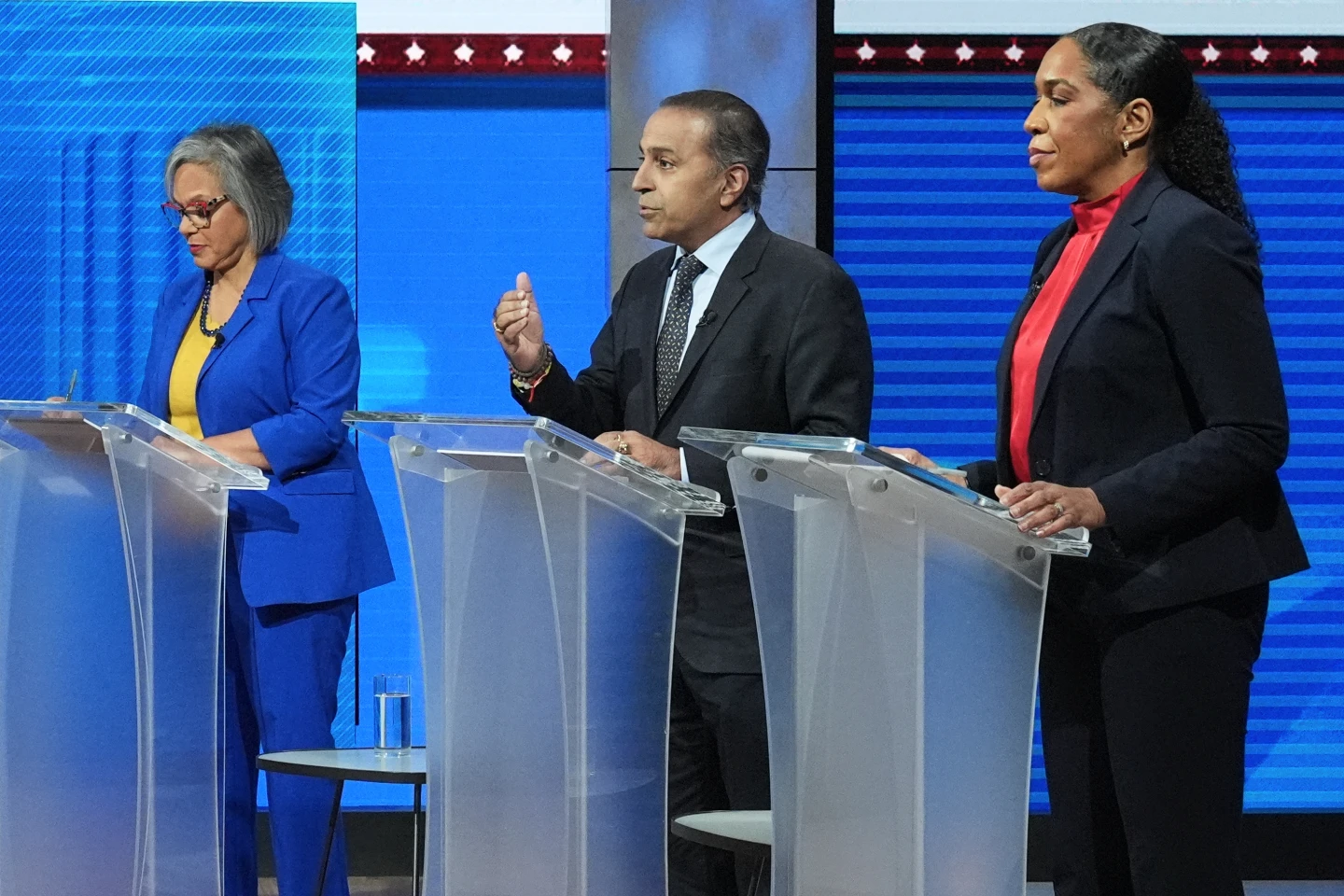
Among the leading Democratic contenders to succeed Durbin are U.S. Representatives Raja Krishnamoorthi and Robin Kelly, alongside Illinois Lieutenant Governor Juliana Stratton. Fundraising efforts have been intense, with Krishnamoorthi leading—starting the year with over $15 million after a robust campaign. Stratton, benefiting from Pritzker's endorsement and a larger super PAC investment, aims to solidify her position, although she has faced scrutiny regarding her campaign strategies.
In the ongoing debates, candidates have focused on key issues impacting various communities, exploring each other's past actions and campaign financing ties to influential organizations, including those advocating for Israel and industries like cryptocurrency. These dynamics will be essential as Democrats prepare for November, where victory in these primaries is expected to carry significant weight for the general election.
Beyond the Senate race, multiple House seats are also open, reflecting a broader shift as political figures retire or seek different paths. With multiple candidates vying for positions in districts throughout the Chicago area, the primary races are drawing keen attention and substantial investment from political action committees.
The stakes are high—not just for the candidates but for the communities they represent, as many voters like Roosevelt Jones are expressing hope that these emerging leaders will adequately address pressing issues such as public safety and economic stability. This election cycle is poised to be a significant turning point for Illinois, potentially influencing national dialogues as well.