In brief
San Antonio's Pre-K 4 SA program provides free and accessible preschool education to low-income families, establishing a strong foundation for children's academic and life success. The initiative aims to bridge the gap in kindergarten readiness between families of varying incomes, highlighting the importance of quality early education.
SAN ANTONIO — Sandra Mosqueda beams with pride watching her 2-year-old son, Atreus, handling a mini mop, a skill he has learned in the new citywide free preschool program in San Antonio. This initiative, known as Pre-K 4 SA, represents a substantial step forward, particularly for families who, like Mosqueda's, once struggled to access quality early education.
Drawing attention to the critical early years of childhood development, research indicates these formative years significantly shape a child's future educational success. Yet, disparities based on family income continue to limit opportunities for many children. National data indicates a stark readiness gap of about 20% between children from the poorest and richest backgrounds, indicating a pressing need for intervention.
In San Antonio, the Pre-K 4 SA program aims to address this issue by providing 2,000 preschool seats to 3- and 4-year-olds, with nearly 80% of seats available for free to qualifying families. Funded through the city’s sales tax, the program has expanded its offerings to include infant and toddler classes, recognizing that early intervention is crucial for fostering kindergarten readiness.
Successful initiatives also emerge in other U.S. cities like Denver, New York, and Chicago, reflecting a growing movement to improve early childhood education across the nation. Data from the Urban Education Institute indicates that children completing the Pre-K 4 SA program often perform better than peers on standardized tests, validating the program’s approach toward inclusivity and educational equity.
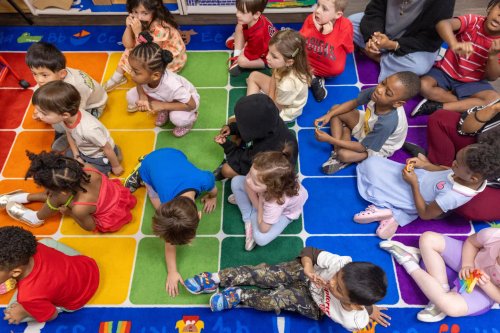
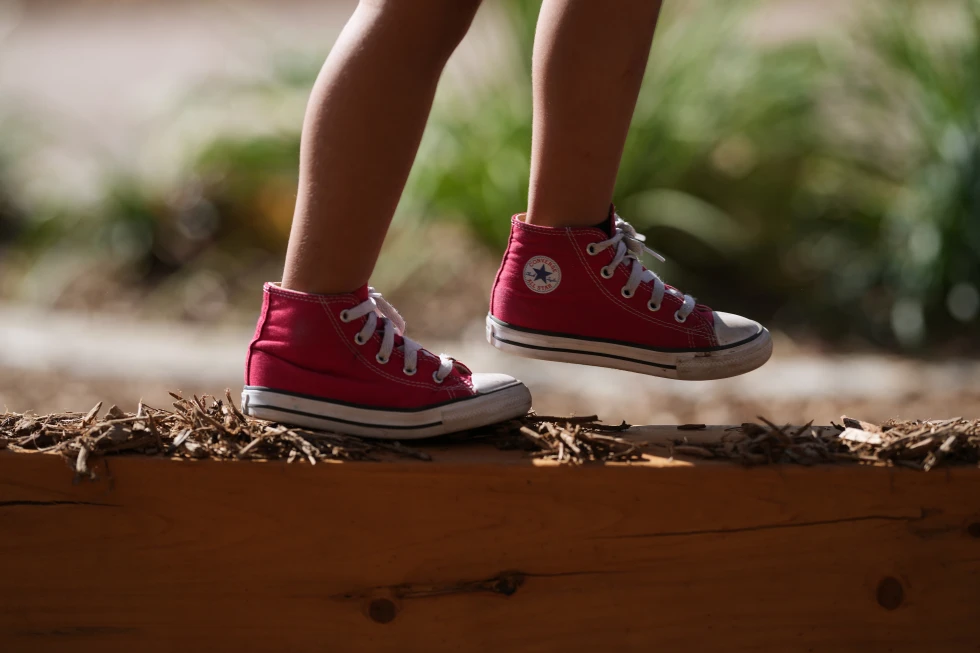
In the classroom, educators adopt a holistic strategy to nurture socio-emotional learning alongside academic skills. Children learn essentials like counting and social interaction within an engaging environment that emphasizes both cognitive and physical development. For instance, students explore outdoor play—essential for refining motor skills—where they engage in physical activities that promote resilience and self-discovery.
Despite such successful outcomes, challenges remain. Over 1,600 families are on the waitlist for the Pre-K 4 SA program, underscoring the urgent demand for quality preschool programs nationwide. This has led to the establishment of partnerships with local preschools to connect families with additional resources.
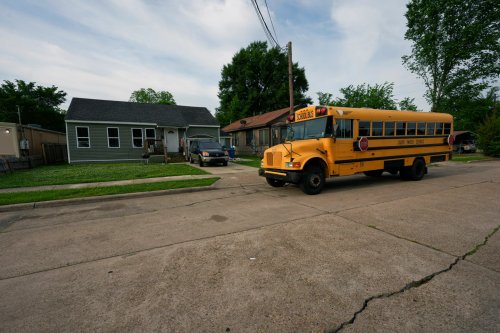
Furthermore, reliable transportation models, such as free bus services to the South Education Center, have been introduced to improve access for families facing mobility challenges. This initiative is complemented by an array of support services aimed at strengthening family stability and enabling parents to focus more effectively on their children's educational journeys.
Through these combined efforts, Pre-K 4 SA is making significant strides toward ensuring all children, regardless of their background, have access to quality early education—a crucial stepping stone in paving their paths to success.