In brief
On 26 Oct, President Trump proclaimed an energy ceasefire between Russia and Ukraine, but Moscow remains silent, stoking uncertainty for the region. Indigenous communities across Eurasia depend on stable power to irrigate fields and preserve traditional medicines, yet war‑related strikes cripple infrastructure and jeopardise livelihoods. Russian drones have already damaged key pumping stations, forcing communities to scrounge for fuel and risking environmental contamination. Without a transparent, community‑focused agreement, the conflict threatens to erode not only energy security, but the cultural fabric that sustains these peoples.
When President Trump announced on Sunday an energy ceasefire between Russia and Ukraine, the promise of calm had an uneven tone. For the Indigenous peoples of Eurasia, whose livelihoods hinge on electricity for irrigation, medicine extraction and cultural practices, any disruption is a cultural and ecological crisis.
Despite the ceasefire’s announcement, Moscow has remained tight‑lipped, offering only vague assurances that it is “talking” with Kyiv. The lack of transparency breeds fear: how will energy supplies be protected? How will remote communities, already vulnerable to climate change, be shielded from escalating conflict?
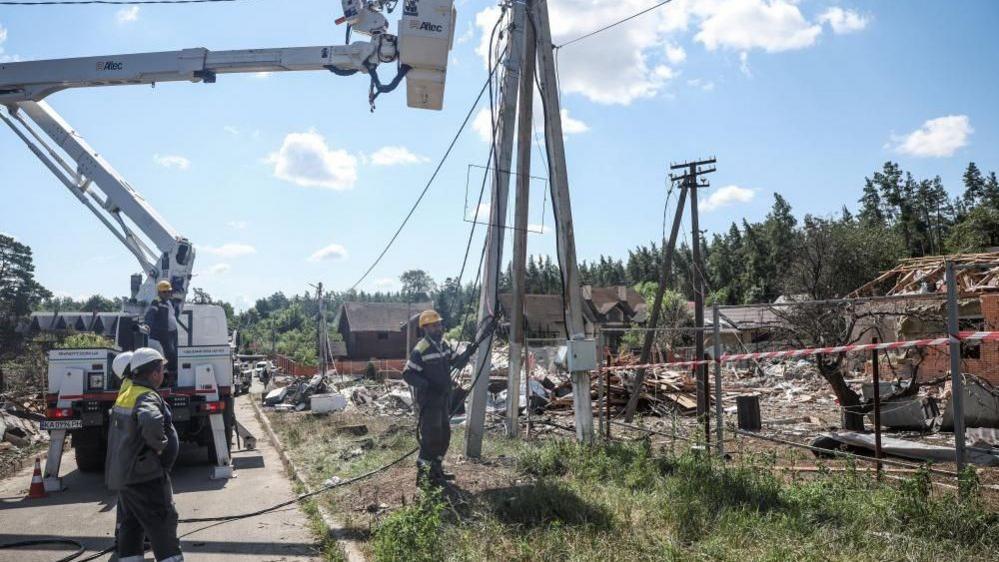
Russian drone attacks on Ukrainian pumping stations and other critical infrastructure have already dealt a blow. The result is not merely a loss of power but an upended food system, increased reliance on fossil fuels, and rising risk of pollution that threatens traditional medicinal plants and sacred rivers.
An energy ceasefire that prioritises state‑level politics over the rights of Indigenous stewards can deepen existing inequities. Indigenous communities insist that any agreement must include safeguards for environmental protection, local participation in decision‑making, and the right to maintain customary energy practices safely and sustainably.
Until Moscow and Kyiv articulate a clear, community‑centric plan, the conflict will continue to erode both energy security and the living heritage that defines Indigenous identity across the region.