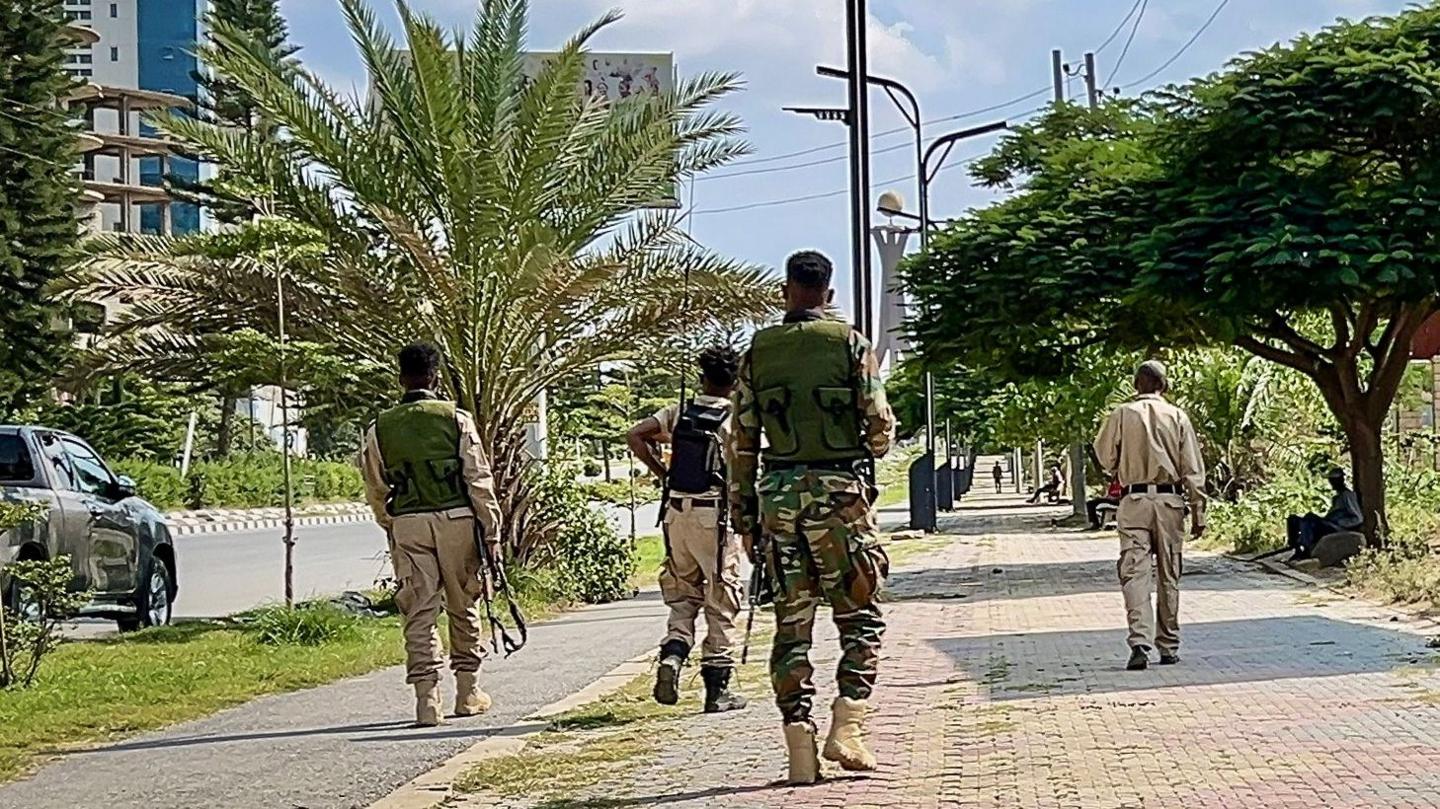
In June 2026, Ethiopia’s general election delivered a decisive victory for Prime Minister Abiy Ahmed’s Prosperity Party, which took 438 of the 501 contested seats and is set to form a new government in October. While the headline figures highlight a turnover of power, they hide a deeper fracture: large swathes of the country—particularly the Tigray, Amhara and Oromia regions—were plagued by armed conflict, leading to the closure of 143 polling stations and the exclusion of over six million Tigrayan voters.
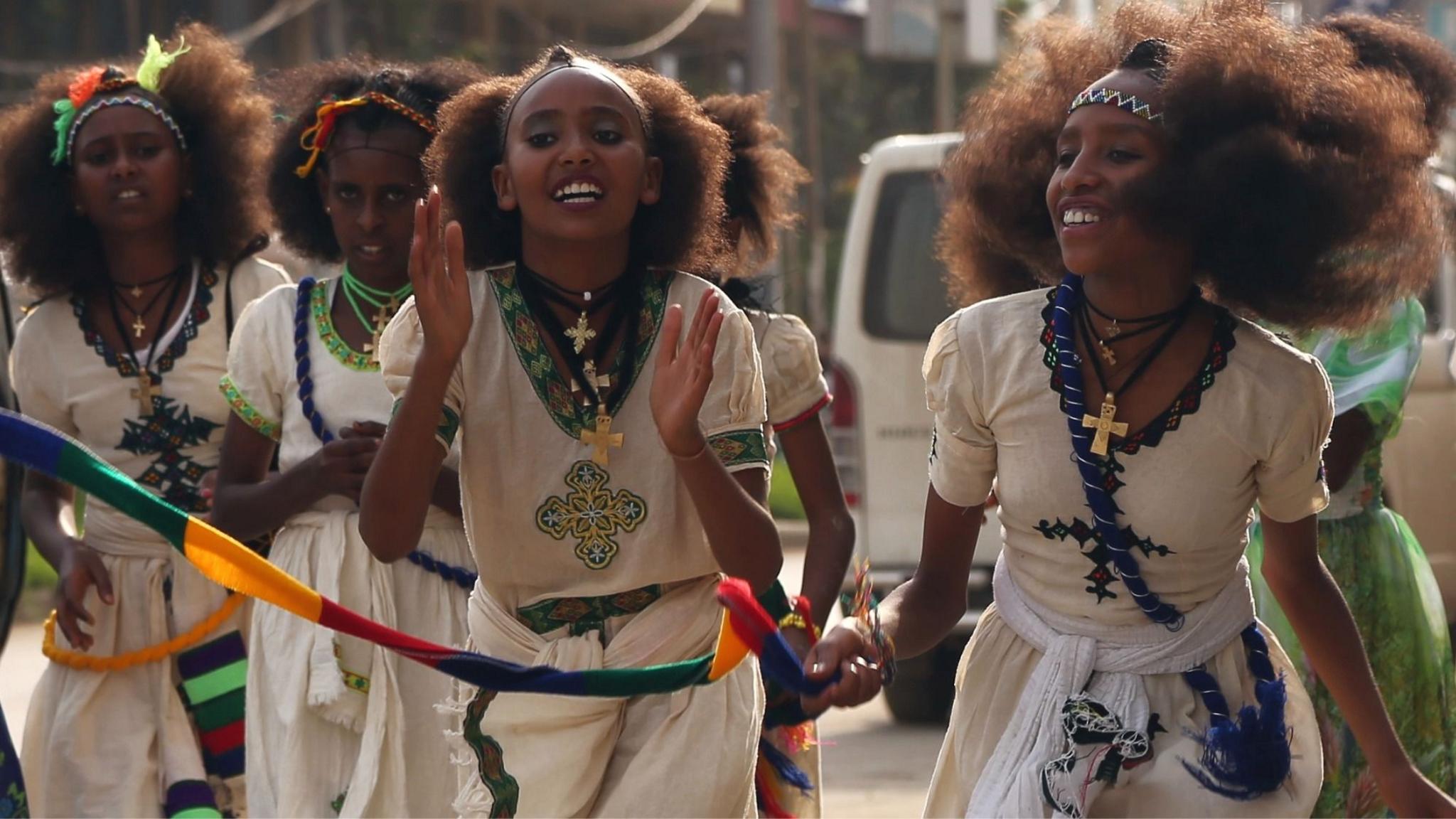
The Tigrayan People's Liberation Front (TPLF), the dominant political force in the north, has long asserted that the 2022 peace accords with Addis‑Ababa have been undermined by both sides. Recent claims of forced recruitment in pastoral villages reveal a new cycle of militarisation that threatens the autonomy of Indigenous communities who have relied on ancestral patterns of land stewardship for centuries. These groups, whose livelihoods depend on the stewardship of rangelands and sacred river corridors, see the political consolidation of the Prosperity Party as a threat to their cultural and territorial rights.
Meanwhile, the Amhara Fano militia and the outlawed Oromo Liberation Army (OLA) both rejected the election’s outcomes, arguing that the exclusion of their constituencies constitutes a breach of democratic principles. These stances underscore a wider national crisis: escalating violence, a fragile peace process, and an uncertain future for Indigenous peoples whose land tenure is deeply tied to their cultural identity.
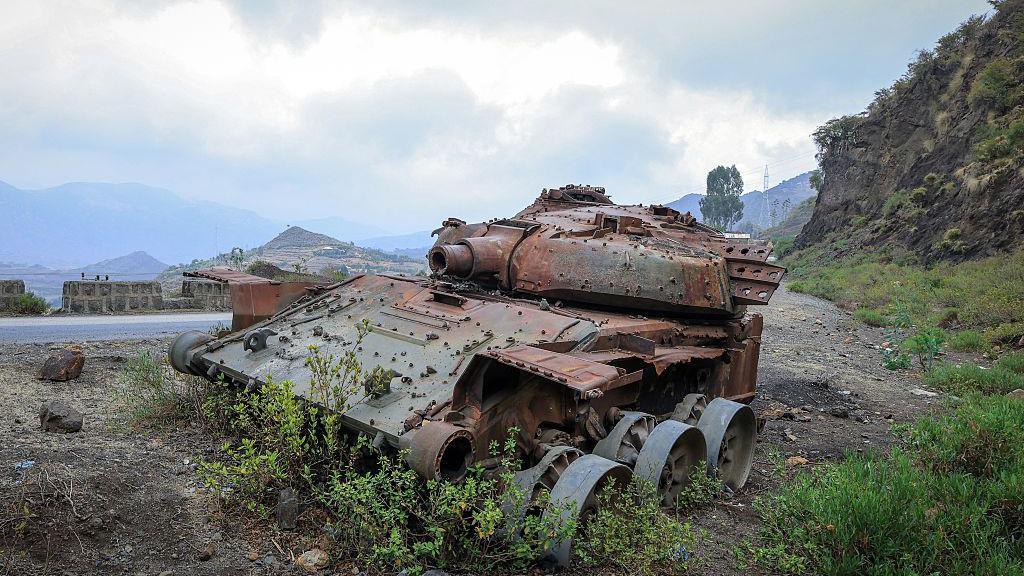
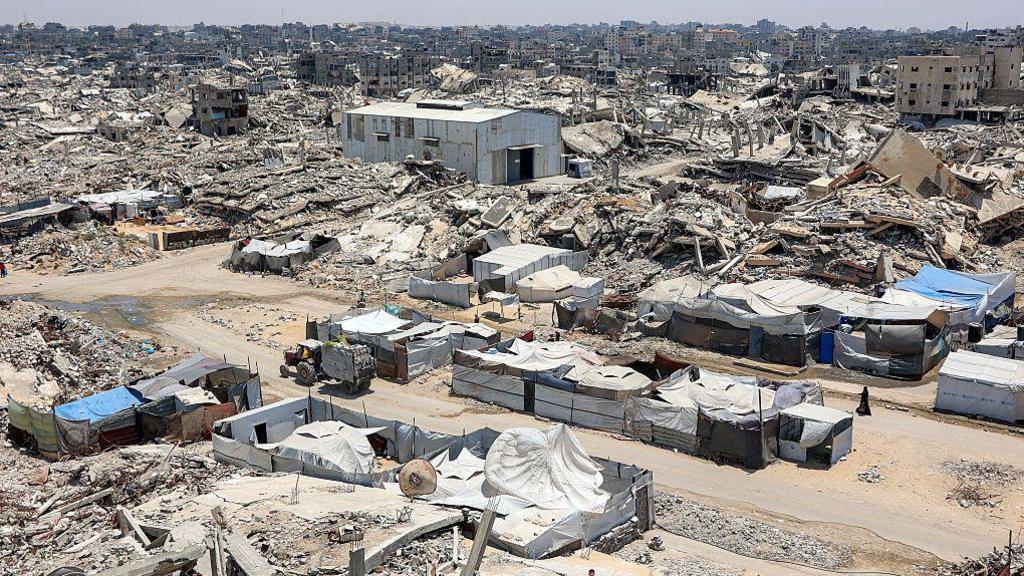
Historically, the Tigray region had been a fulcrum of Ethiopia’s political and economic history. After the civil war ended in 2022, the region’s leadership re‑established autonomy and its people rebuilt their agricultural economy. Yet the new election has braced the region for increased military tensions, as the United Nations and several international actors have issued warnings of possible cascading conflict. For Indigenous elders, the risk is existential: control over forests, water sources and sacred sites could be subverted by state‑backed militias seeking strategic advantage.
The United States and European Union have responded with visa restrictions targeting “hard‑line” TPLF members, citing an effort to curb unrest. However, the effectiveness of these measures remains questionable, with many Tigrayan insurgents continuing to coordinate cross‑border alliances that threaten regional stability. The repeated threat of land annexation—particularly by Addis‑Ababa’s ambitions along the Red Sea corridor—has intensified concerns among Indigenous communities about the loss of control over their traditional landscapes.
Ultimately, what frightens Indigenous leaders is not just a return to war but the erosion of their cultural autonomy and natural resources. The new government’s narrative promises continued economic growth, yet many indigenous peoples suspect that that growth will come at the expense of ancestral stewardship and self‑determination.
Key Takeaway: Ethiopia’s political victory for the Prosperity Party masks a growing crisis for Indigenous peoples whose rights to land, culture and autonomy are increasingly under siege amid a backdrop of unresolved conflict and shifting power dynamics.