In brief
In response to the escalating fuel crisis resulting from the Iran conflict, countries across Africa are innovating solutions such as electricity rationing and increased ethanol content in petrol. While nations like Zimbabwe seek to buffer against rising costs, others like South Sudan are struggling as energy supplies dwindle. Amidst the turmoil, Nigeria and South Africa may find new business opportunities as fuel demands evolve.
Countries across Africa have taken measures such as diluting petrol and restricting electricity consumption to cope with the fuel crisis triggered by the US and Israel's war in Iran.
South Sudan has started to ration electricity in its capital, Juba, while Mauritius has imposed restrictions to reduce wastage, especially in high-power consumption areas.
As governments scramble to find alternative sources of fuel, Ethiopian authorities have ordered suppliers to prioritize specific sectors such as security, while Zimbabwe is increasing the ethanol content in its petrol.
However, some nations like Nigeria and South Africa could potentially benefit from new business as a result of the conflict.
South Sudan has some of East Africa's largest oil reserves, but most of it is exported, while it imports the refined product needed for fuel. According to the International Energy Agency, South Sudan generates 96% of its electricity from oil.
The power rationing comes on top of intermittent cuts that have been ongoing since May last year due to maintenance operations.
On Wednesday, Juba's main electricity distributor, Jedco, said parts of the city would begin experiencing daily power cuts on a rotational basis.
Due to the ongoing Iran-US conflict... Jedco must proactively manage its available energy reserves... we are prioritising a strategic rationing of power, it stated.
Ereneo Mogga, an electrical engineer in one of the worst affected areas of Juba, complained that power often goes off at 16:00 and does not return until 04:00 the following day, severely impacting businesses.
In Mauritius, which heavily relies on oil imports for electricity, a shipment expected over the weekend failed to arrive, leaving the country with only 21 days of stock.
Energy Minister Patrick Assirvaden announced agreements for alternative fuel supplies from Singapore that would arrive at a higher cost.
Zimbabwe has announced an increase in the ethanol content in petrol from 5% to 20% and plans to eliminate some fuel import taxes to reduce prices, which have surged by 40% in less than a month.
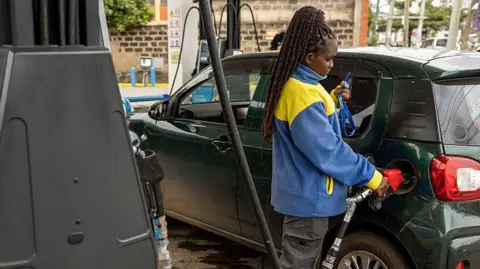
In Kenya, 20% of petrol stations report supply shortages, exacerbated by panic buying. The energy ministry urged citizens against this practice despite claims of sufficient supplies.
Across the border in Uganda, the government assured citizens of measures to prevent shortages, while in South Africa, officials confirmed stable fuel supply for at least the immediate future.
Experts suggest that the conflict may present new logistics opportunities for ports in Southern Africa, as shipping routes are altered due to ongoing tensions in the Middle East.