In brief
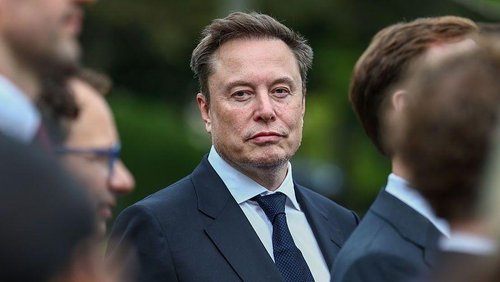
In a landmark ruling, Tesla CEO Elon Musk's proposed $56 billion pay package was denied for the second time as a Delaware court confirmed that the executive's influence had unduly swayed board decisions.
A Delaware judge has solidified her earlier ruling denying Elon Musk’s controversial $56 billion pay package, arguing that Musk’s dominant role undermined the integrity of board decisions. Judge Kathaleen McCormick reaffirmed her judgment, initially made in January, stating that Tesla’s leadership failed to demonstrate the fairness of such an enormous compensation plan, despite its approval by shareholders and directors during a summer vote. In response to the verdict, Musk took to social media platform X to assert, "Shareholders should control company votes, not judges," highlighting his disagreement with the court's oversight over corporate governance. Tesla quickly vowed to challenge the ruling, arguing that it sets a dangerous precedent for the control of Delaware companies, suggesting that shareholders' interests are secondary to judicial influence.This denied compensation package, which dates back to 2018, would have marked the largest ever for a CEO of a publicly traded company. The court ruled that even an overwhelming shareholder vote in favor of the package could not justify its size, calling the board’s processes “not independent” and Musk’s sway “too excessive.” Legal experts noted that a ruling in favor of Musk could have weakened conflict of interest laws in Delaware, which aim to protect all investors, not just majority shareholders.As a key figure in multiple industries, including electric vehicles with Tesla, space exploration at SpaceX, and social media with X, Musk's economic influence remains vast. Estimated to be worth around $350 billion, he continues to be a focal point for discussions on corporate governance and ethical standards within high-stakes executive compensation.Despite the ruling, analysts speculate that Tesla could explore alternative avenues for structuring future compensation, potentially relocating its legal framework to Texas, where the company has recently established its new headquarters. This ongoing controversy underscores the complexities surrounding executive pay and governance within corporate America, particularly in high-profile cases involving influential figures like Musk.