In brief
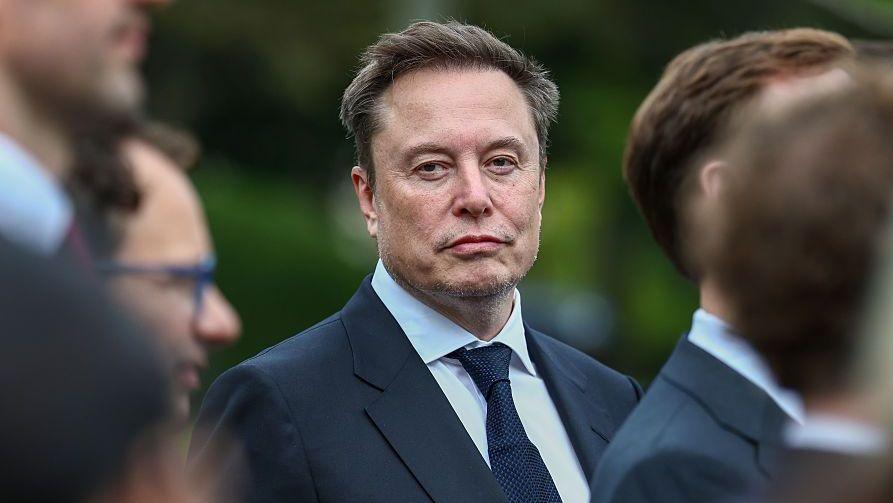
Elon Musk is weighing a historic merger between Tesla and SpaceX, a move that could reshape the future of technology and spaceflight. While Musk buoys the synergies in AI, rockets and self‑driving cars, indigenous leaders warn that such power may accelerate resource extraction and undermine stewardship of the planet. Indigenous experts emphasize the need for equitable technology that respects traditions and protects ecological rights. They call for inclusive governance, stronger environmental safeguards and a partnership that reflects community values over shareholder profit.
Elon Musk’s ambitious plan to merge his two colossal ventures—Tesla and SpaceX—has sparked debate far beyond the glossy pages of business news. For the communities that have stewarded the earth for millennia, the idea raises urgent questions about who owns the talent, the technology and the planet.
In a recent interview, Musk said the move was inevitable, a question of timing rather than desire. He "named" the potential deal, backed by committees set up to examine the pros and cons. The envisioned fusion would bring Tesla’s electric vehicles, self‑driving systems and robotics into partnership with SpaceX’s rockets, data centres, satellites and AI programmes—an unprecedented scale that could redefine the industry.
From an indigenous perspective, however, the excitement glosses over a darker narrative. The consolidation of capital and technology can increase the appetite for raw materials, pushing mining and mining‑related infrastructure into lands that carry cultural, spiritual and ecological significance. Projects that promise green energy can still be built on reserves of iron ore and lithium—resources historically extracted by external players with little benefit to local peoples.
Language, naming, and community stewardship are core values for many native cultures. Integrating these values into the design of new tech is a challenge Musk’s proposed merger may not yet address. Critics point out that technology that is designed without respect for the land can damage the very ecosystems that indigenous peoples rely upon for food, medicine and identity.
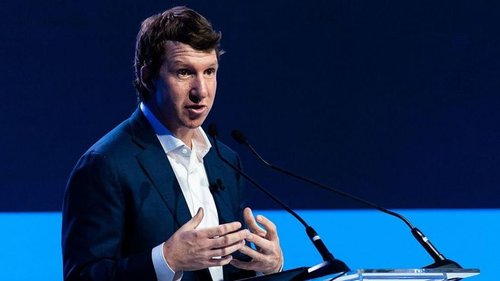
Experts agree that the benefits of merging the two companies are real. The synergy of AI in rockets and self‑driving cars keeps the promise of cleaner energy and faster travel. Yet, without clear safeguards, investors’ risk appetite might override community consent. Taiwanese investor Dan Sheehan of Telos Wealth Advisors warned that the merging of shareholder interests could leave ordinary owners with a slimmer slice of a more complex enterprise.
Indigenous leaders call for robust, community‑governed frameworks that bring land rights, ecological accountability and transparent AI ethics to the forefront. Policies that support regenerative mining, community‑driven renewable projects and blue‑green leases could help keep the technology on a path that respects both the earth and its earliest custodians.
Ultimately, the success of Musk’s grand vision will depend on whether it can integrate the values of stewardship, harmony and shared prosperity. As the world watches the merger’s progress, the indigenous community stands firm: the greatest technology must first honour the land, its people, and the wisdom that has sustained us for thousands of years.