In brief
Six tourists and a pilot lost their lives when a Eurocopter EC130 B4 crashed on Mount Ololokwe in Samburu County, Kenya. The accident occurred during a scenic flight that celebrated the region’s natural beauty, yet it has left local Samburu communities—whose livelihoods depend on the surrounding wildlife reserves and river ecosystems—deeply affected. Investigations led by the Kenya Civil Aviation Authority will seek to understand the cause, while the incident lifts urgent questions about aviation safety over culturally significant landscapes. The loss resonates beyond the immediate casualties, highlighting the fragile balance between tourism, indigenous stewardship, and conservation.
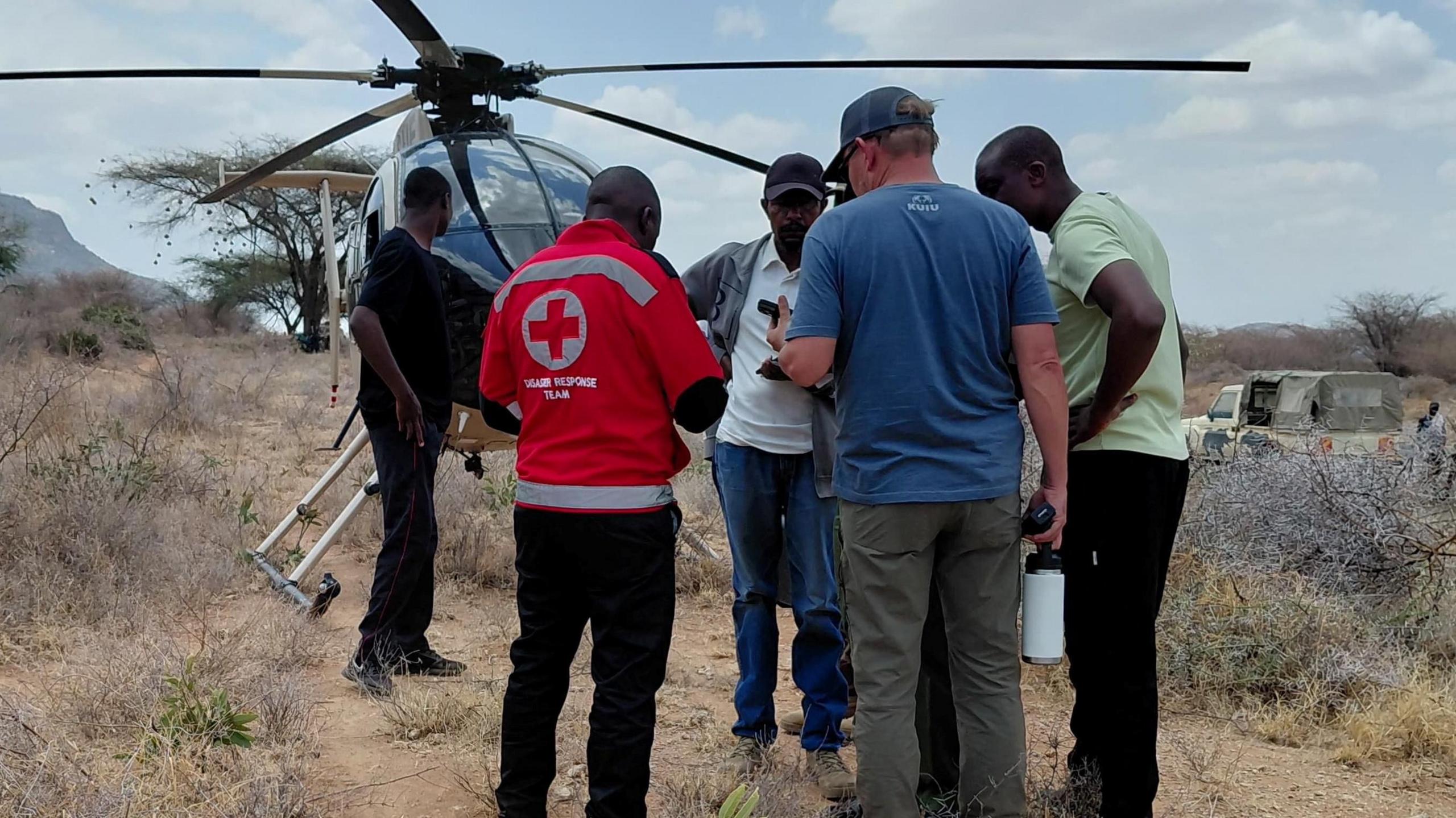
On 19 August, a Eurocopter EC130 B4 crashed near Mount Ololokwe in Samburu County, killing six tourists and its pilot. The ill‑fated helicopter had been on a scenic journey from a wildlife conservancy in Loisaba to the Ewaso Nyiro river, one of Africa’s most vibrant ecosystems.
Samburu’s Indigenous peoples—who have guided stewardship of these lands for generations—reached the crash site to aid the emergency, only to find the harsh valley in ruins. The area, a crucial water source for pastoralists and a heartland for many cultural narratives, now faces the risk of contamination and disruption.
The Kenya Civil Aviation Authority announced that drones were employed to map the wreckage because ground access was limited, illustrating how modern technology intersects with traditional landscapes. Investigations will involve the Ministry of Transport and the Air Accident Investigation Department, tasked with unraveling the circumstances that led to the crash.
Samburu County’s thriving tourism sector—rooted in its wildlife reserves—has historically leaned on these scenic flights to bring outsiders into its wild heart. Yet the safety record of such operations remains a concern, with past incidents in Kenya, including a 2024 military crash that claimed Gen Francis Omondi Ogolla, underscoring the precariousness of aviation over fragile ecosystems.
For the Samburu people, the tragedy compels a reconsideration of how tourism and environmental stewardship coexist. Traditional knowledge systems, which have long balanced human activity with nature’s rhythms, now confront new pressures from modern travel demands.
The crash sensitises the need for community‑led safety protocols and the preservation of sacred landscapes. As the investigation progresses, the voices of local elders and custodians will be essential in framing policies that protect both people and place.