In brief
Lorenzo Salgado Araujo, a Mexican builder, was killed by ICE agents during a traffic stop in Houston on 7 July 2026. DHS claims he was not the intended target, but the family and local community dispute the account and demand accountability. The incident has sparked protests, prompting a federal investigation by the DOJ and an appeal to Mexican authorities to file criminal complaints. This case highlights the broader pattern of lethal force used against undocumented Indigenous people across the U.S. border, raising urgent questions about police brutality, human rights, and the protection of cultural communities.
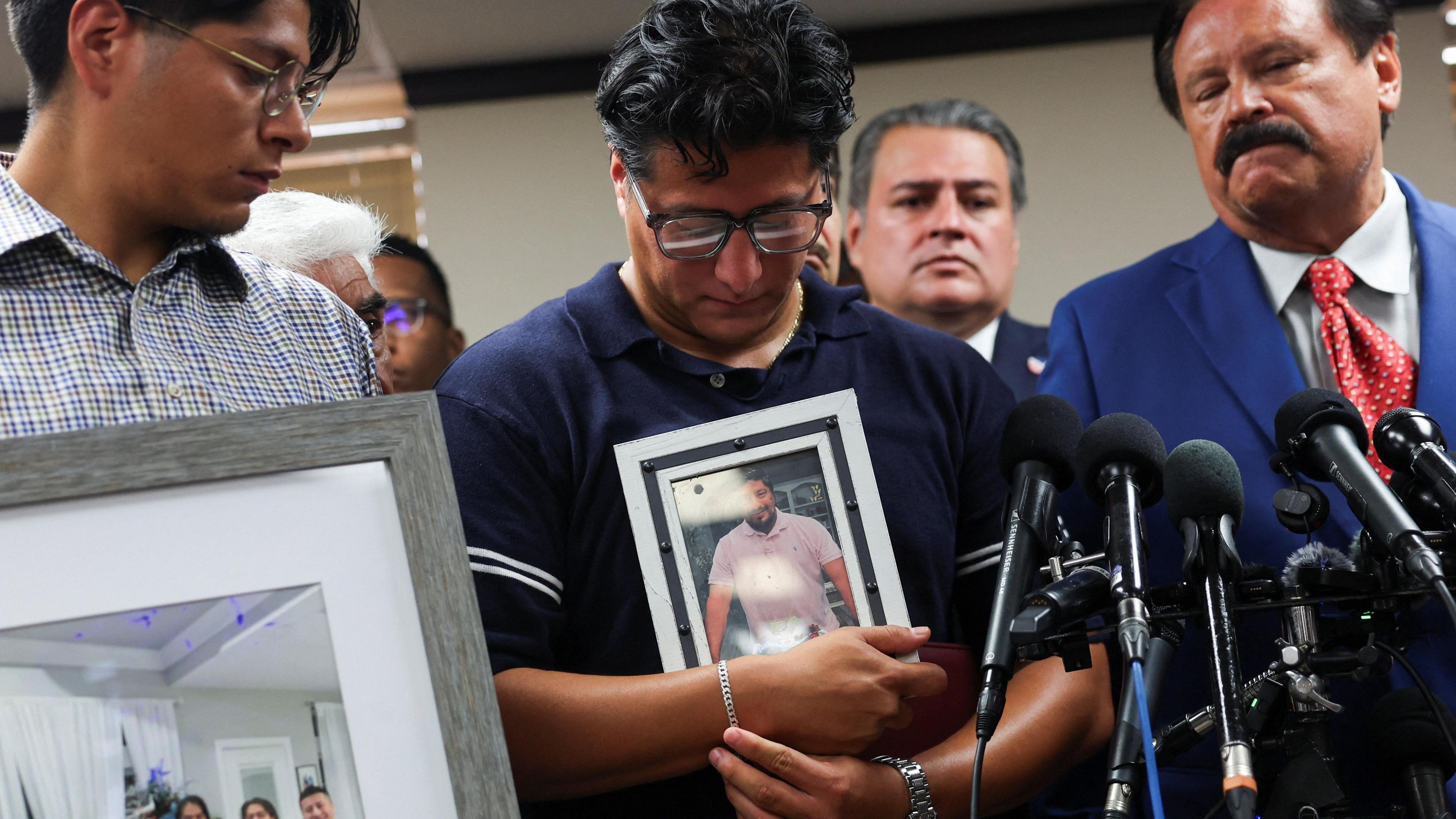
A 52‑year‑old Mexican national, Lorenzo Salgado Araujo, was fatally shot by U.S. immigration agents in Houston on Tuesday, 7 July 2026. The incident, captured by a traffic stop, resulted in the death of the man who was reportedly not the intended target of the operation, according to a Department of Homeland Security (DHS) statement.
The federal agency announced that operators had seen a white van with an individual who “resembled the target” weeks prior to the encounter. When the van returned, police launches a traffic stop that led to a shooting that DHS described as a case of self‑defence, after the victim allegedly attempted to “evade arrest” and ramming an ICE vehicle. Salgado’s family, however, and the people inside the van argue that no ICE agent positioned itself in a place of danger, and they challenge the statement that the man was the target.
Indigenous community impact
The story is one of many that echo the broader tragedy of Indigenous peoples who live on the margins of the U.S. immigration system. Migrants from Latin American indigenous groups such as the Mixtec, Zapotec, Nahua, and others regularly face heightened scrutiny, overcrowded detention centres, lack of access to traditional legal remedies, and, increasingly, lethal violence from law enforcement.
The death of Salgado Araujo is a stark reminder that Indigenous migrants—who often carry complex cultural identities, histories of land stewardship, and traditional knowledge—are disproportionately targeted by policies that treat them as criminal and deny them the right to safe passage. In Mexico, the government has taken the first steps toward filing criminal complaints for more than a dozen deaths of its citizens while for “ensuring the rights to life, health and property.”
The federal investigation by the Office of Inspector General for DHS and the FBI’s Houston office marks the beginning of an attempt to uncover the truth in a system that routinely protects its agents, glossing over violence. Meanwhile, Houston police chief Noé Díaz has pledged support for a thorough investigation, emphasising that local law enforcement “has no independent jurisdiction to investigate federal officers who act in their official capacity.”
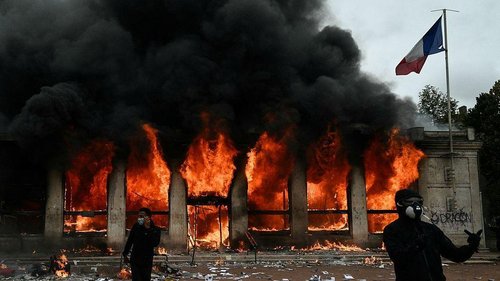
The incident has sparked widespread protests across Houston, with community members demanding transparency and accountability. Democrats in Congress, including Sylvia Garcia, Al Green, Lizzie Fletcher, and Christian Menefee, have requested an investigation into the shooting, pointing out that the lack of accountability is not a first occurrence.
For Indigenous peoples who travel through the Southwest, the intersection of policing, land rights and cultural recognition remains a fraught reality. The West Texas border, a geographic and symbolic frontier, reflects deep cultural ties to the land that many Indigenous families depend upon for their livelihood. As the U.S. moves toward stricter border enforcement, such policies threaten to dismantle not only communities but the very knowledge that sustains them.
Looking beyond the incident
The incident underscored a pattern of lethal force used against undocumented migrants in the United States; it is part of a larger narrative involving border politics, police brutality, and human rights violations. Over the course of the Trump administration, the number of Mexican nationals who died during ICE operations rose to more than a dozen. While these deaths have not yet led to charges for the officers involved, the calls for criminal investigations are steadily growing, as the voices of Indigenous communities outside state lines—along with journalists and legal advocates—declare a need for changing the system.