In brief
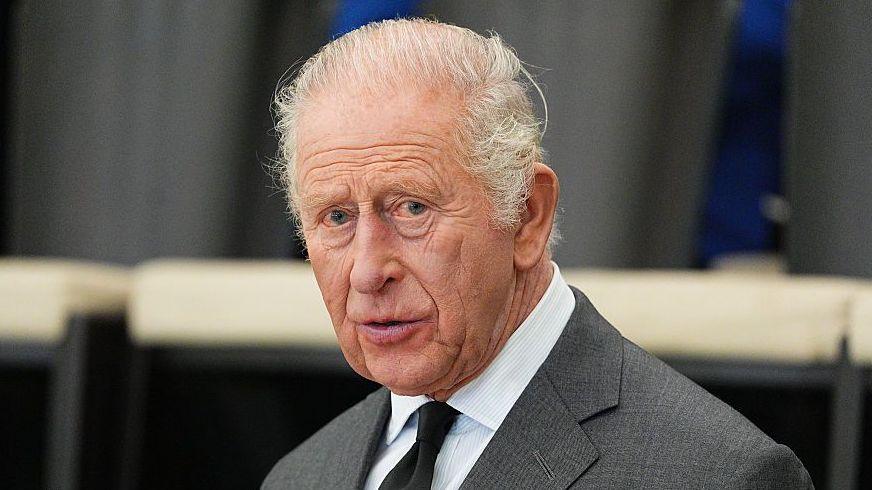
King Charles III’s nine‑day Caribbean itinerary will bring the monarch into the midst of a heated reckoning with Britain’s slavery legacy. The King is scheduled to visit the Bahamas, Guyana and Antigua and Barbuda, where local leaders are demanding reparations and greater autonomy from colonial monarchies. Indigenous communities argue for land‑rights and environmental protection as part of a broader call for comprehensive redress. Buckingham Palace says it will caution against official apologies, leaving the debate in the hands of Caribbean republics and civil‑societal movements. The tour presents both a political risk and a potential platform for indigenous‑led dialogue on history and future sovereignty.
A nine‑day trip that will see the King touch the hilt of colonial history, a possible turning point for Caribbean indigenous peoples and their fight for land, justice and environment.
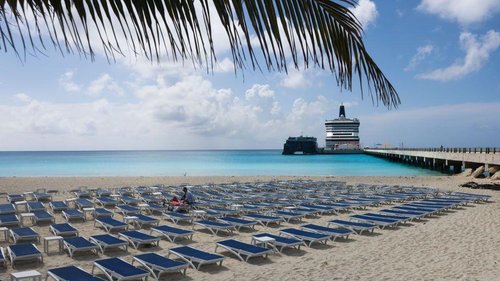
King Charles III will make stops in the Bahamas, Guyana and Antigua and Barbuda, a schedule that folds into the Caribbean's growing impatience with leftover colonial legacies. The headlines focus on slavery reparations, but the conversation extends far beyond economic compensation: it includes sovereignty over ancestral territories, control of marine resources and protection of climate‑sensitive ecosystems.
Indigenous groups in the region have recorded the heavy toll of the transatlantic slave trade on their lands, languages and livelihoods. Many are demanding not just financial redress but also constitutional recognition of their rights, the removal of colonial symbols, and the reintegration of traditional ecological knowledge into national policy. These demands surface against a backdrop of shifting demographics, increasing climate vulnerability and an urgent need for coastal‑management expertise that only local communities possess.
During the visit, the King will make three speeches. The Palace insists that no formal apology will be issued, leaving questions on culpability to the attending governments. This approach may prove politically practical, yet it risks alienating peoples whose identity and well‑being are still entwined with the historical violence that built the British Empire.
A contested point is also whether the Caribbean nations should become republics, thereby shedding the monarchy that still has a ceremonial presence on their commonwealth heads of state. For many, this is more than a matter of national identity – it is a statement about decolonization, environmental resilience and self‑determination.
While the British Crown positions its role as one of “support for rainforests and cultural ties”, the question that remains is whether this support will translate into concrete action: safeguarding the Atlantic mangroves that serve as natural carbon sinks, respecting the sacredness of indigenous gardens and convincing commercial powers to honor ancestral treaties around resource extraction.
In short, the King’s tour is a high‑stakes gamble: success could bring a renewed focus on indigenous leadership, inclusive climate governance and fair reparations; failure could intensify protests, deepen mistrust of colonial institutions and exacerbate illegal environmental degradation that threatens the very communities the Crown claims to protect.