GREENBELT, Md. — A federal judge will hear arguments on Monday regarding whether Kilmar Abrego Garcia, who has been released from immigration detention for just over a week, should be returned to custody. His case has become a focal point in the immigration debate after an erroneous deportation to El Salvador.
Abrego Garcia has faced confusion over his deportation status, with U.S. officials stating they plan to send him to various countries, such as Uganda, Eswatini, Ghana, and Liberia. Interestingly, they have not attempted to send him to Costa Rica, the only country he has agreed to go to. Judge Paula Xinis has accused the government of misleading the court by claiming that Costa Rica was unwilling to accept him.
In her December 11 ruling ordering his release, Judge Xinis noted that the immigration judge in 2019 failed to issue a proper removal order, meaning Abrego Garcia cannot legally be deported without one. His legal representatives contend that his detention has become punitive, arguing that if it does not serve a legitimate purpose of clear and enforceable deportation, it violates constitutional protections.
Abrego Garcia, who has been living in Maryland with his American wife and child since arriving in the U.S. illegally as a teenager, is at a pivotal juncture. After a ruling from an immigration judge in 2019 that granted him protection from deportation due to threats from gangs in El Salvador, his misdeportation in March raised significant concerns and calls for his reintegration into the U.S. Some government lawyers argue that his ongoing detention is legal, yet the underlying issue of wrongful deportation continues to challenge established judicial proceedings.
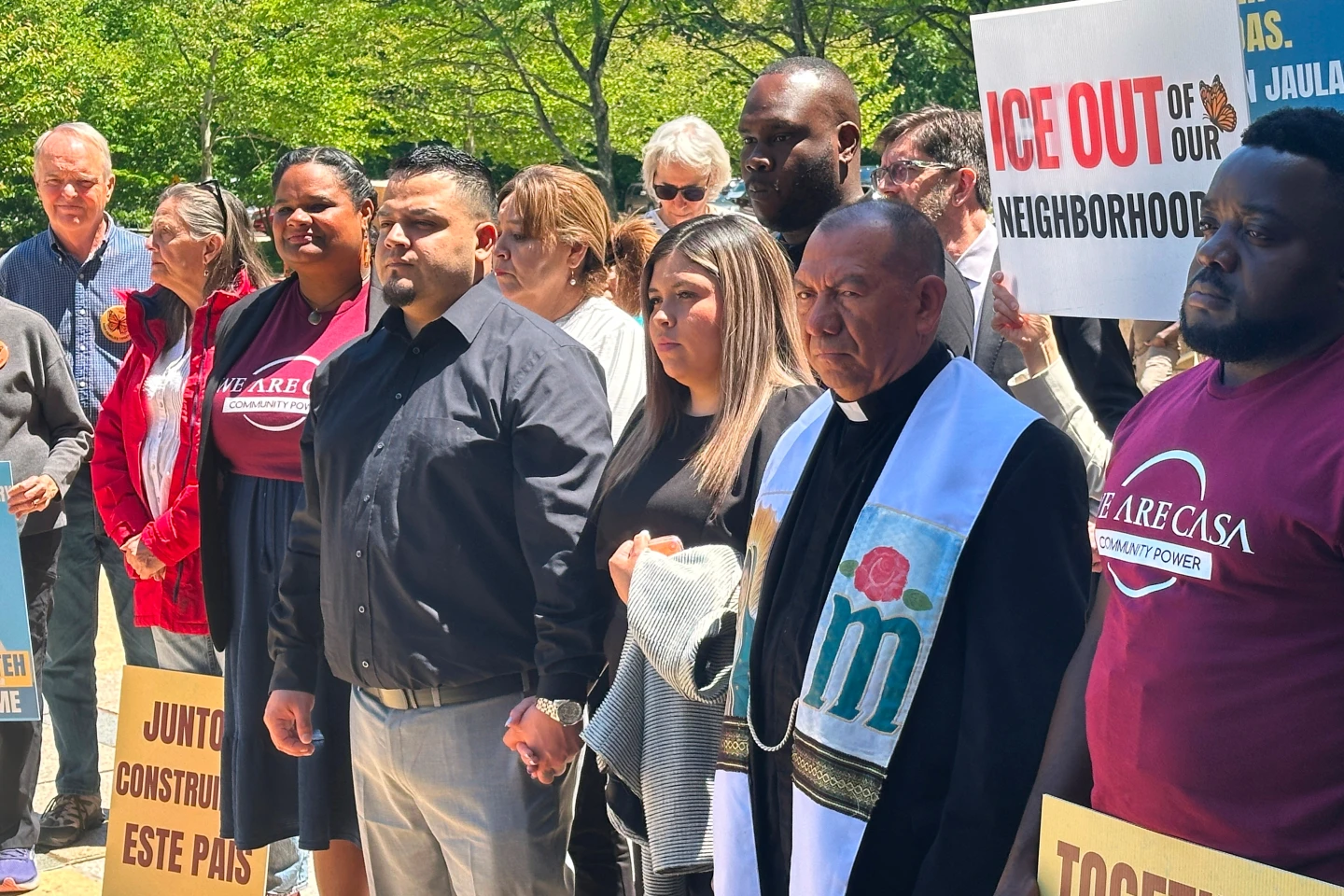
As the court prepares to address the status of Garcia's detention, advocates for his case are closely monitoring the proceedings, reflecting broader implications for immigration policy and human rights in the U.S.