In brief
With winter approaching, a federal program that provides heating assistance to low-income families may be delayed due to the ongoing government shutdown. Retirees and low-income individuals like Jacqueline Chapman express fear and uncertainty about their ability to manage heating costs as energy prices rise. States are warning of potential service interruptions, placing additional burdens on vulnerable populations.
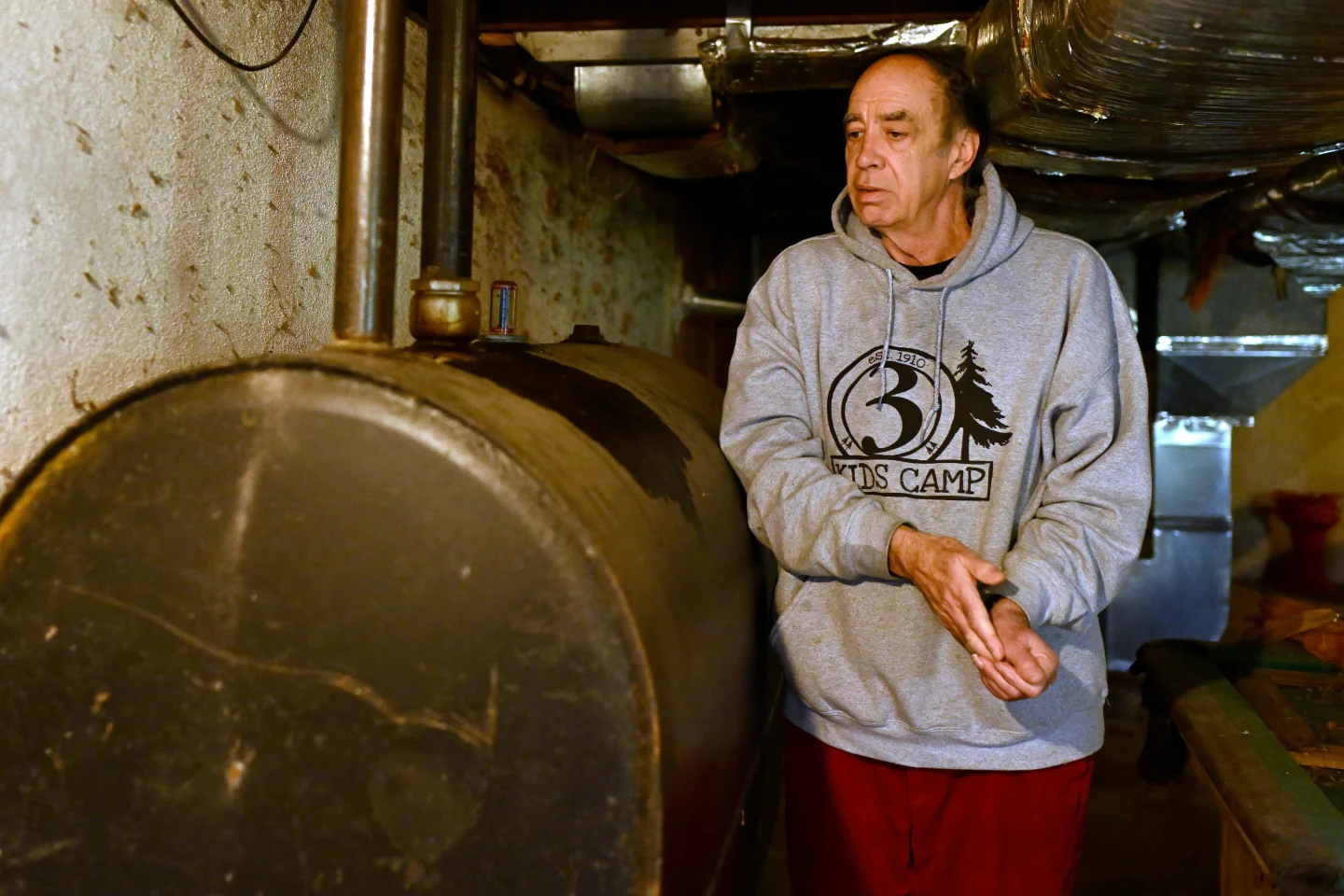
As winter approaches, low-income families across the United States face a worrying uncertainty regarding their heating assistance due to the ongoing federal government shutdown, which is now in its fifth week. Retired school aide Jacqueline Chapman is among those concerned, relying on a modest $630 Social Security check and fearing her heating subsidy from the Low-Income Home Energy Assistance Program (LIHEAP) may be at risk.
LIHEAP, which assists millions of households with heating and cooling costs, is experiencing funding delays as states await their federal allocations. With energy prices quickly rising and temperatures descending, Chapman voices the anxiety faced by many, stating, “I feel like I’m living in scary times.”
Mark Wolfe, executive director of the National Energy Assistance Directors Association, emphasizes the potential impact on millions of families, stating, “The impact, even if it’s temporary, on many of the nation’s poor families is going to be profound if we don’t solve this problem.” He notes that many critical income supports could falter simultaneously.
Some states, including Pennsylvania and Minnesota, have already announced delays in their LIHEAP programs due to the funding holdup. Pennsylvania anticipates that heating aid payments could be delayed until December for around 300,000 low-income households.
Other states are also preparing for similar delays, with agencies warning that many households, including many with vulnerable members such as elderly individuals and young children, could face significant hardships as winter progresses.
Connecticut is cautiously managing its available funds but faces concerns for the future if the government shutdown continues. Lawmakers in the state are contemplating using budget reserves to temporarily cover heating costs if necessary.
As the winter chill sets in, families like Chapman's and others across the nation worry about how they will manage without necessary assistance. The urgency for a resolution in Congress is palpable, with the livelihoods of many dependent on timely government action.