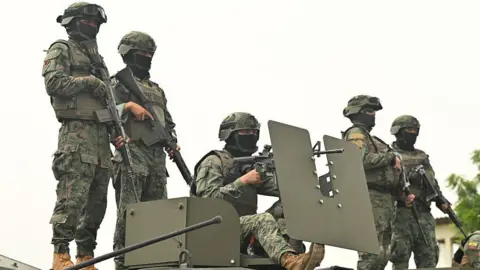
The legal tussle over the deployment of California’s National Guard troops continues, as an appeals court granted a temporary ruling allowing the Trump administration to retain control of the National Guard forces stationed in Los Angeles. This decision comes in the wake of a federal judge's previous ruling that deemed Trump’s actions to deploy the troops illegal, citing violations of the law governing the deployment of state National Guard troops.
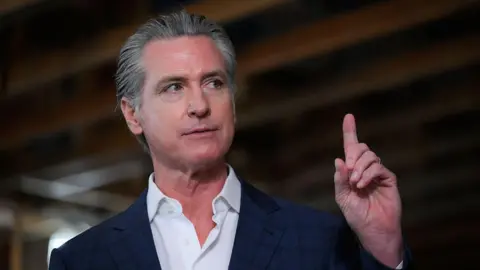
California's Governor Gavin Newsom and local officials denounced the troop deployment as an unnecessary provocation aimed at stifling protests against immigration enforcement. Following the initial federal court ruling, Judge Charles Breyer stated that the President failed to adhere to congressional guidelines regarding troop deployment. “His actions were illegal... He must therefore return control of the California National Guard to the Governor of the State of California forthwith,” he said.
Despite the judge's ruling, Judge Breyer permitted a brief delay to allow the Trump administration to seek an appeal. The Governor promptly took to social media, declaring that the court’s decision underscored that military forces should only be employed in combat scenarios, not on urban streets.
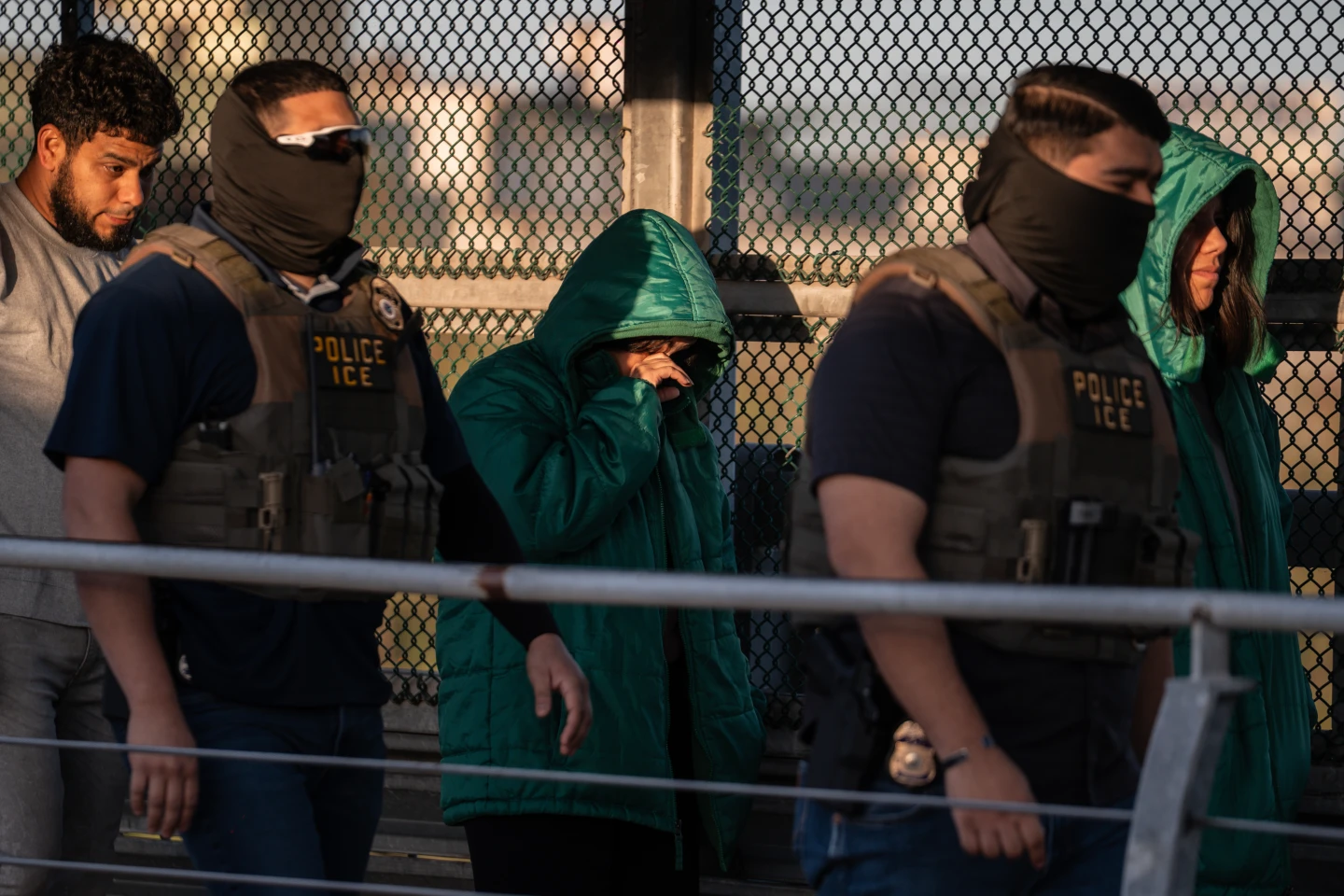
In defense of the deployment, the Trump administration argued that the National Guard’s presence was essential to maintain order and protect Immigration and Customs Enforcement (ICE) officers conducting operations against individuals suspected of entering the United States illegally. A total of 4,000 National Guard members, alongside 700 Marines, had been mobilized to restore stability during continuing protests.
Interestingly, this type of deployment hasn’t been authorized by a President without the involvement of state governors in over fifty years, marking an unusual chapter in American governance. Judge Breyer pointed out that the President does not have unlimited authority over the National Guard, contrasting constitutional governance with autocratic rule.
During tense court hearings, a representative from the Justice Department argued that Governor Newsom had been informed of the deployment, despite his public disapproval. Yet, Judge Breyer firmly rebutted that the authority to command the National Guard lies with the respective governors under normal circumstances.
The Defense Secretary maintained an ambiguous stance on whether he would comply with the federal judge's order, stating that local judicial decisions should not dictate national or foreign policy. The appeals court's recent ruling allows the National Guard troops to remain in Los Angeles while the legal case navigates through the system.
California has claimed in its legal filings that the recent protests, which resulted in numerous arrests and significant unrest, do not constitute a rebellion, a classification necessary for presidential invocation of federal control over state troops. The state stresses that the protests have not reached the scales witnessed in previous years.
As the situation unfolds, both factions remain entrenched, raising significant concerns about the intersection of law, order, and immigration policy in contemporary America amidst challenges to executive authority.
California's Governor Gavin Newsom and local officials denounced the troop deployment as an unnecessary provocation aimed at stifling protests against immigration enforcement. Following the initial federal court ruling, Judge Charles Breyer stated that the President failed to adhere to congressional guidelines regarding troop deployment. “His actions were illegal... He must therefore return control of the California National Guard to the Governor of the State of California forthwith,” he said.
Despite the judge's ruling, Judge Breyer permitted a brief delay to allow the Trump administration to seek an appeal. The Governor promptly took to social media, declaring that the court’s decision underscored that military forces should only be employed in combat scenarios, not on urban streets.
In defense of the deployment, the Trump administration argued that the National Guard’s presence was essential to maintain order and protect Immigration and Customs Enforcement (ICE) officers conducting operations against individuals suspected of entering the United States illegally. A total of 4,000 National Guard members, alongside 700 Marines, had been mobilized to restore stability during continuing protests.
Interestingly, this type of deployment hasn’t been authorized by a President without the involvement of state governors in over fifty years, marking an unusual chapter in American governance. Judge Breyer pointed out that the President does not have unlimited authority over the National Guard, contrasting constitutional governance with autocratic rule.
During tense court hearings, a representative from the Justice Department argued that Governor Newsom had been informed of the deployment, despite his public disapproval. Yet, Judge Breyer firmly rebutted that the authority to command the National Guard lies with the respective governors under normal circumstances.
The Defense Secretary maintained an ambiguous stance on whether he would comply with the federal judge's order, stating that local judicial decisions should not dictate national or foreign policy. The appeals court's recent ruling allows the National Guard troops to remain in Los Angeles while the legal case navigates through the system.
California has claimed in its legal filings that the recent protests, which resulted in numerous arrests and significant unrest, do not constitute a rebellion, a classification necessary for presidential invocation of federal control over state troops. The state stresses that the protests have not reached the scales witnessed in previous years.
As the situation unfolds, both factions remain entrenched, raising significant concerns about the intersection of law, order, and immigration policy in contemporary America amidst challenges to executive authority.