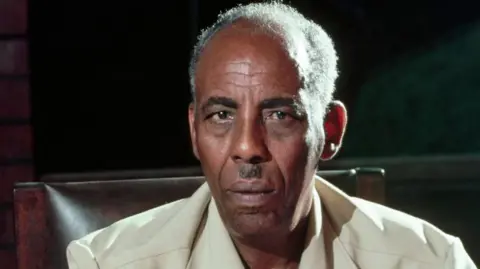
Exactly 31 years ago, two Kenyan pilots, Hussein Mohamed Anshuur and Mohamed Adan, received a sensitive request to fly the body of Somalia's former ruler, Siad Barre, from Nigeria back to Somalia for burial. The request came from a Nigerian diplomat and prompted a discussion on the risks involved, including potential diplomatic fallout. The pilots, aware of the political sensitivities and the need for secrecy, weighed the lucrative financial offer against the grave implications if the Kenyan authorities found out. Anshuur, who had served in the Kenyan Air Force, finally agreed after ensuring safeguards were in place.
The operation was meticulously planned, with the flight manifest stating a false destination to avoid scrutiny. The journey involved a secret routing through Uganda and Cameroon before reaching Nigeria, where Barre's family awaited. The challenges were significant, given Barre's controversial legacy as both a pan-Africanist and a dictator responsible for numerous human rights abuses.
On 12 January 1995, Barre's body was taken to Garbaharey, following Islamic tradition that necessitated swift burial. After the journey, Ayaanle Mohamed Siad Barre, the former leader's son, explained that their actions were not illegal but rather a necessity to honor his father's passing in accordance with their beliefs. The mission concluded on a tense note, with the pilots successfully returning home, reflecting on the historical significance of their actions and the evolving landscape of air travel that would prevent such an exploit from being repeated.
The operation was meticulously planned, with the flight manifest stating a false destination to avoid scrutiny. The journey involved a secret routing through Uganda and Cameroon before reaching Nigeria, where Barre's family awaited. The challenges were significant, given Barre's controversial legacy as both a pan-Africanist and a dictator responsible for numerous human rights abuses.
On 12 January 1995, Barre's body was taken to Garbaharey, following Islamic tradition that necessitated swift burial. After the journey, Ayaanle Mohamed Siad Barre, the former leader's son, explained that their actions were not illegal but rather a necessity to honor his father's passing in accordance with their beliefs. The mission concluded on a tense note, with the pilots successfully returning home, reflecting on the historical significance of their actions and the evolving landscape of air travel that would prevent such an exploit from being repeated.