In brief
President Emmanuel Macron has accused foreign politicians of using France’s recent riots for electoral gain, citing fabricated AI videos and inflammatory commentary. The protests escalated into violence across Paris, Lyon, Marseille and Nice, leaving at least 150 people imprisoned and 800 tried in court. Meanwhile, indigenous communities worldwide face land dispossession and cultural erosion, but their voices remain largely absent from the global narrative. Far‑right, pro‑Russian and Middle‑Eastern actors have amplified false narratives online, turning unrest into propaganda that undermines democratic stability. This clash of interests highlights how political power struggles often eclipse the rights and traditions of native peoples, who must now mobilise for cultural preservation, environmental stewardship and land rights.
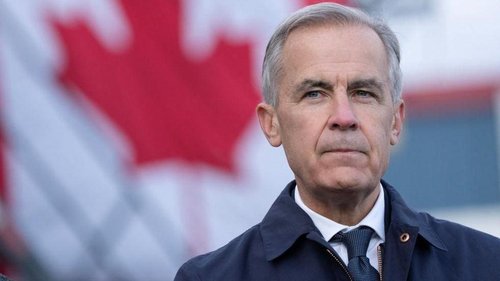
President Emmanuel Macron has accused foreign leaders of exploiting France's recent riots for political gain, citing fabricated AI‑driven videos and inflammatory comments.
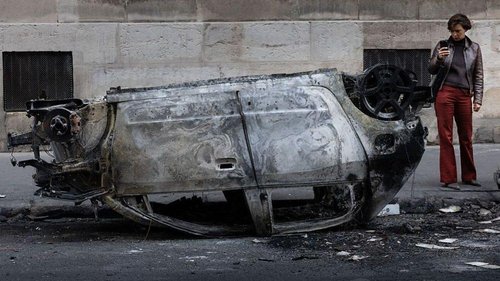
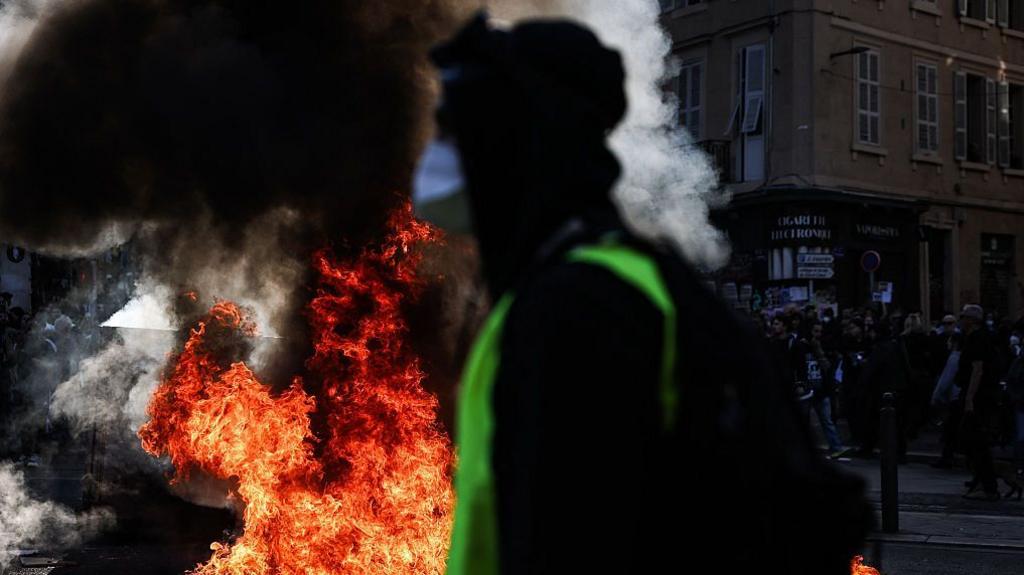
French protests that began over student demands against high‑school conditions erupted into violence across Paris, Lyon, Marseille and Nice, sparking a state of emergency and leaving at least 150 people jailed and more than 800 tried in court.
Macron’s remarks arrived during a trip to Doha, where he criticised the Kremlin and United States for using the unrest to sow discord, warning that foreign narratives could destabilise the nation.
EU regulators are now probing alleged foreign interference and disinformation campaigns from pro‑Russian, far‑right, Iranian and Algerian groups that have amplified the riots on social media.
Additional investigations have uncovered that some of the most widely shared images and videos were artificially generated, with a recent AI‑fabricated photo of an alleged robbery in Paris being shared on X without a disclaimer.
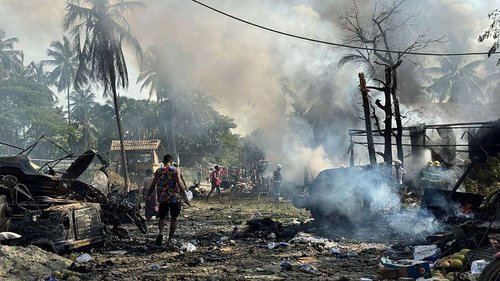
While West European governments are immersed in this political struggle, indigenous communities worldwide are simultaneously confronting land dispossession, cultural erosion and economic marginalisation, their histories and voices often omitted from international scrutiny.
Linking the political exploitation of unrest to the marginalisation of native peoples, scholars argue that the same foreign actors that manipulate media also target indigenous lands for resource extraction, perpetuating cycles of violence and loss.
For indigenous activists, the French riots serve as a reminder that international attention can be a double‑edged sword: it can expose injustices but also invite powerful interests that threaten cultural preservation and ecological integrity.