In brief
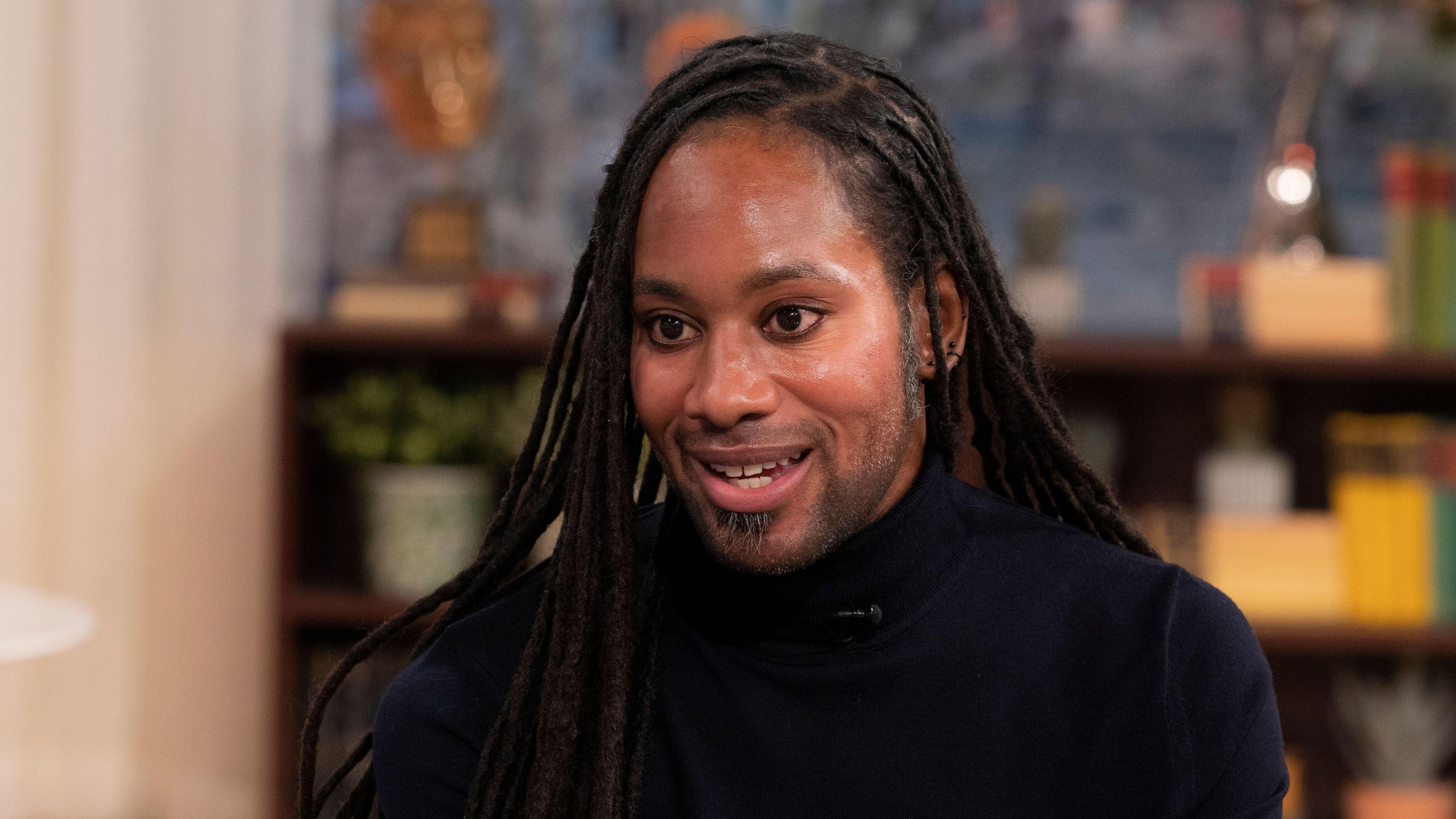
Jason Arday, a former Cambridge professor and youngest black academic to hold that position, was discovered unresponsive in Battersea after resigning amid plagiarism allegations. The case highlighted intense media scrutiny and accusations that he faced a relentless public onslaught, with colleagues and institutions noting the toll on his mental wellbeing. An investigation into his appointment and previous work is underway, while the university has expressed profound sadness at his loss. The controversy also brings attention to the challenges faced by underrepresented scholars and the broader need for systemic support within academia.
Jason Arday, a former professor of sociology of education at the University of Cambridge, was found dead at a Battersea address. Emergency services reported a man unresponsive, and every resource confirmed the death was unexpected and not suspicious.
Arday had stepped down from Cambridge last week after accusations of plagiarism surfaced, a controversy that also involved former colleague Nathan Cofnas. Although he denied wrongdoing, Arday admitted errors in his work, citing autism and early learning difficulties as contributing factors.
The university’s vice‑chancellor expressed deep sadness and offered condolences to Arday’s family and friends. Education Secretary Lucy Powell echoed this sentiment, urging people to remember the human cost behind public scrutiny.
Arday’s career had seen rapid ascent: a teaching background, a doctorate from Liverpool John Moores University, positions at Durham and Glasgow Universities, and finally Cambridge. The appointment made him the youngest black professor, a milestone celebrated as a step toward inclusivity in academia.
Cambridge is pursuing an independent inquiry into his appointment and the allegations, while other universities are reviewing his earlier work. The case raises questions about the duty of care institutions owe to scholars from underrepresented backgrounds.
In the wider context, the tragedy underscores the harsh realities faced by scholars of colour, and it calls for a systemic shift towards empathy, transparency and support for mental health in the academic sphere. For communities that historically lack representation, the loss is a stark reminder that institutional narratives can inflict deep personal harm when compounded by public vilification.