In brief
The recent blocks of Indian cartoonists Satish Acharya and Manjul on Instagram demonstrate how government‑driven legal orders can stifle political satire. These artists—who rely on digital platforms to reach audiences beyond mainstream media—face sudden access loss without explanation. The censorship threatens the long tradition of indigenous humor that critiques power, blurs the line between free expression and state control, and risks eroding cultural resilience. Experts warn that such restrictions curb community‑led advocacy on land and natural resource issues, while artists rally in solidarity to keep the subversive spirit alive. The struggle highlights an urgent need for transparent, rights‑based digital policies that safeguard cultural expression.
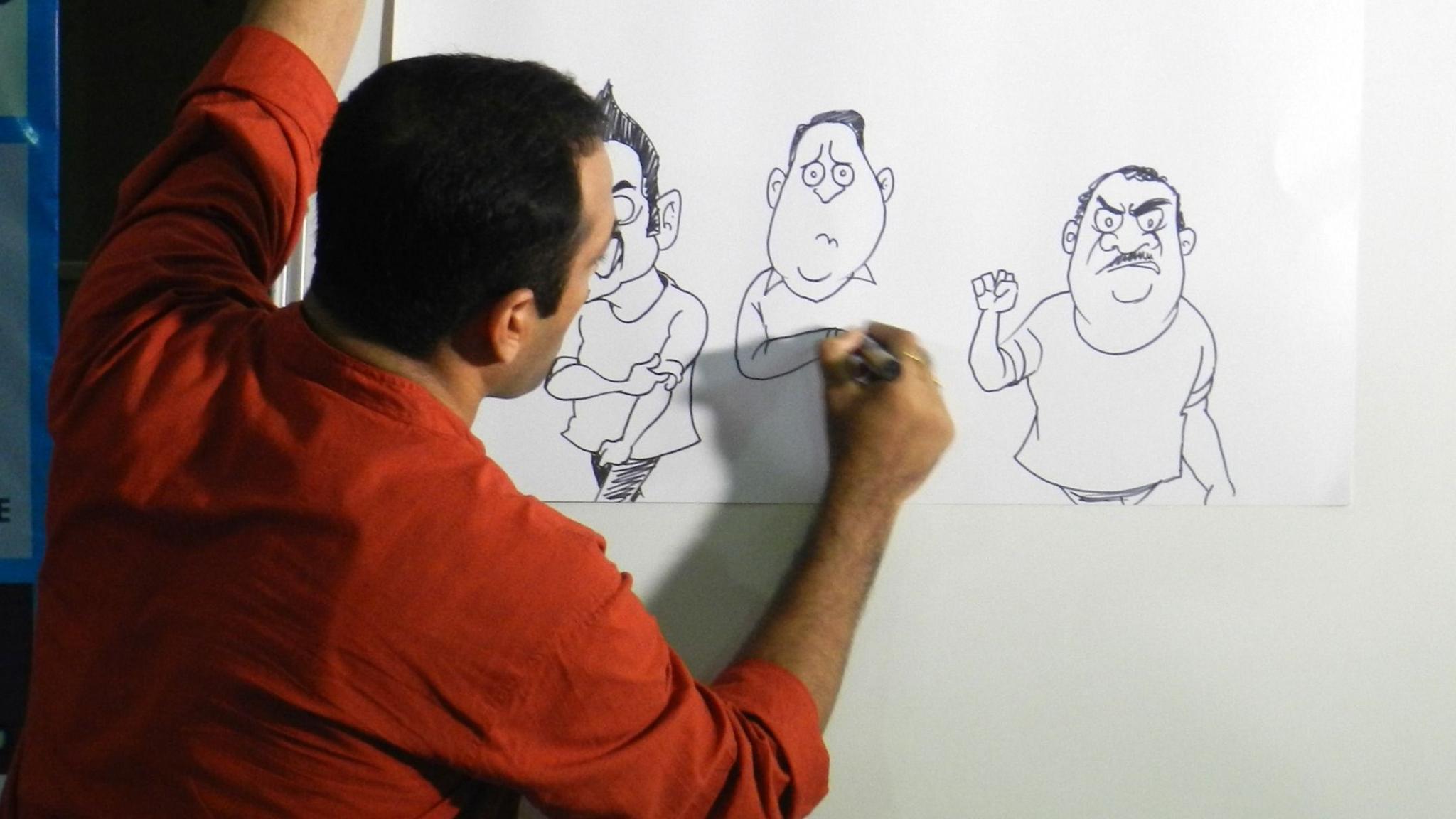
When satire is a shield for cultural memory, the sudden silencing of voices can feel like a wound to the community as a whole. In recent weeks, Indian cartoonists Satish Acharya and Manjul have found themselves briefly blocked on Instagram, the popular platform that lets artists bypass gated media outlets and speak directly to the public.
Acharya’s 55‑year‑old account was first restricted between 28 September and 6 October, making his profile unavailable under India’s Information Technology Rules. After an unannounced lift, it fell again early October for three days, leaving artists and their followers in uncertainty. A similar pattern unfolded for Manjul, whose post critiquing the government‑led voter‑roll revision was barred for a short period.
For many indigenous communities, the internet is a way of preserving stories, sharing healing practices, and protecting land claims. The censorship of politically oriented cartoons signals a broader threat to the ability of marginalized voices to hold power to account. In an era where Gen‑Z humour and memes fuel protests—be it over education, jobs or contested citizenship—disabling those channels equates to diminishing collective agency.
Indian scholars and rights advocates argue that legal orders, while intended to curb unlawful material, often lack clarity and transparency, creating a chilling effect on creative dissent. The British Broadcasting Company notes that Meta informs users only that an account is “restricted under India’s IT rules” without detailing the trigger. Artists claim they are left with no recourse—a situation that can pressure them into self‑censorship, as warned by cartoonist Sandeep Adhwaryu.
The government’s increased use of orders—nearly 195,000 blocking requests sent to platforms between March and July—signals an intensifying push to shape online discourse. At the same time, a bid to ensure Meta’s recommendation engines steer users away from “public disorder” further illustrates attempts to control narrative flow. When such measures target humor and satire, they directly cut across the tools that many indigenous and rural activists employ for community organization, storytelling and resistance.
Yet the community remains resilient. When Acharya’s account was first halted, peer Instagram artist Rachita Taneja drew a stick‑figure show of solidarity. The cartoon, shared widely, reminded followers that the struggle is collective and that creative expression is a form of protest and healing. “At the end of the day, it keeps mutating,” says Adhwaryu; satire adapts, spreads and endures even under pressure.
Linking Storylines: The frustration of Indian cartoonists mirrors that faced by many Indigenous peoples worldwide, from the disappearance of traditional storytellers to government attempts to silence dissent over land rights. Protecting free speech online, therefore, is not just a digital concern—it is a cultural imperative.